





There’s something effortlessly romantic about crossing Europe by train.
The carriages hum softly, cities blur into countryside, and every new skyline feels like an unfolding story.
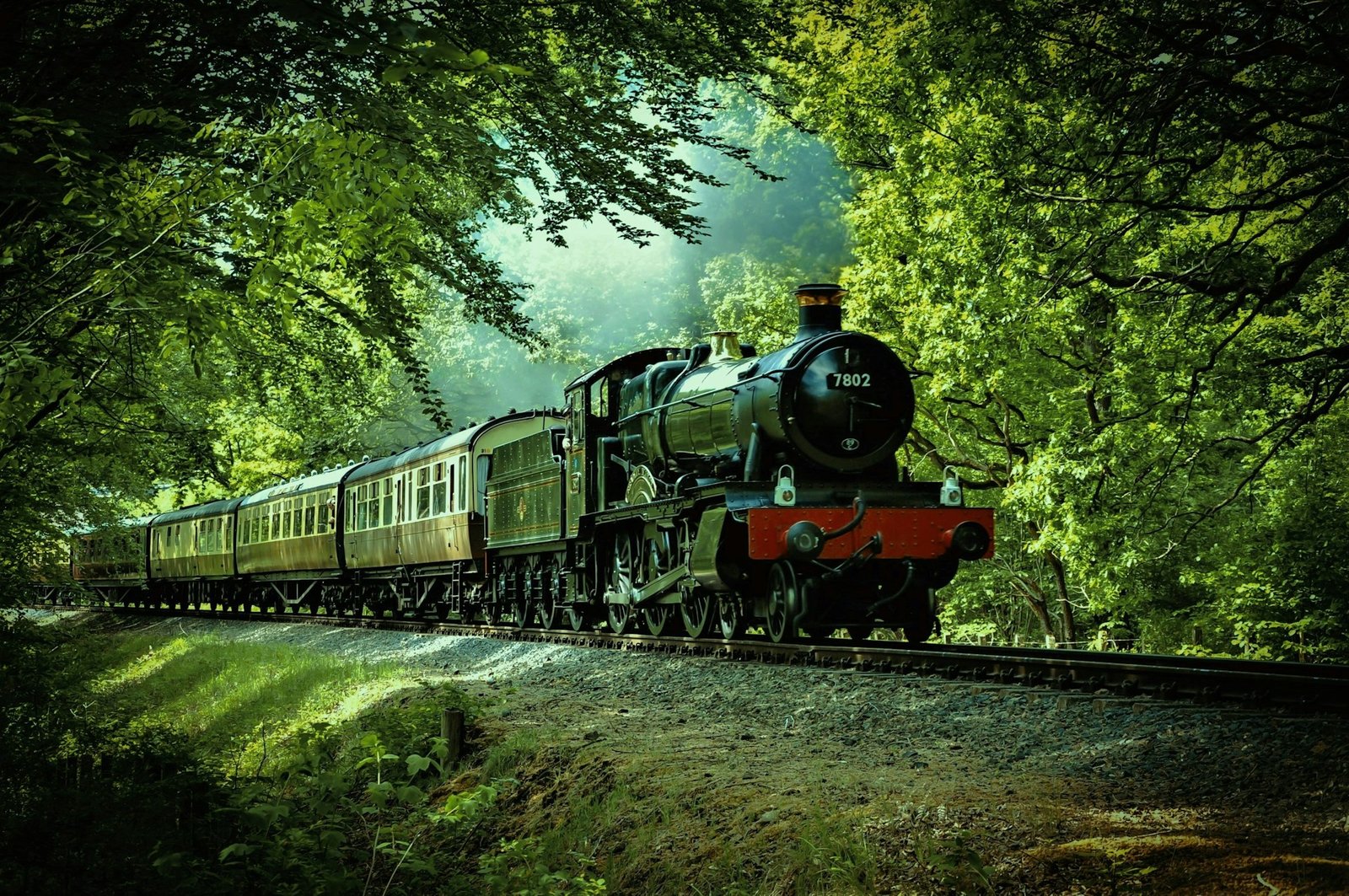
Few routes capture this better than the journey between Amsterdam and Paris — a trip that sweeps travellers through changing languages, landscapes, and moods.
The beauty of the rails isn’t just in the destination, but in the way it lets you experience the in-between: tulip fields giving way to Gothic spires, canals fading into boulevards. It’s a reminder that in Europe, travel isn’t just about speed; it’s about rhythm, connection, and the quiet pleasure of watching the continent pass by your window.
Setting Out from Amsterdam
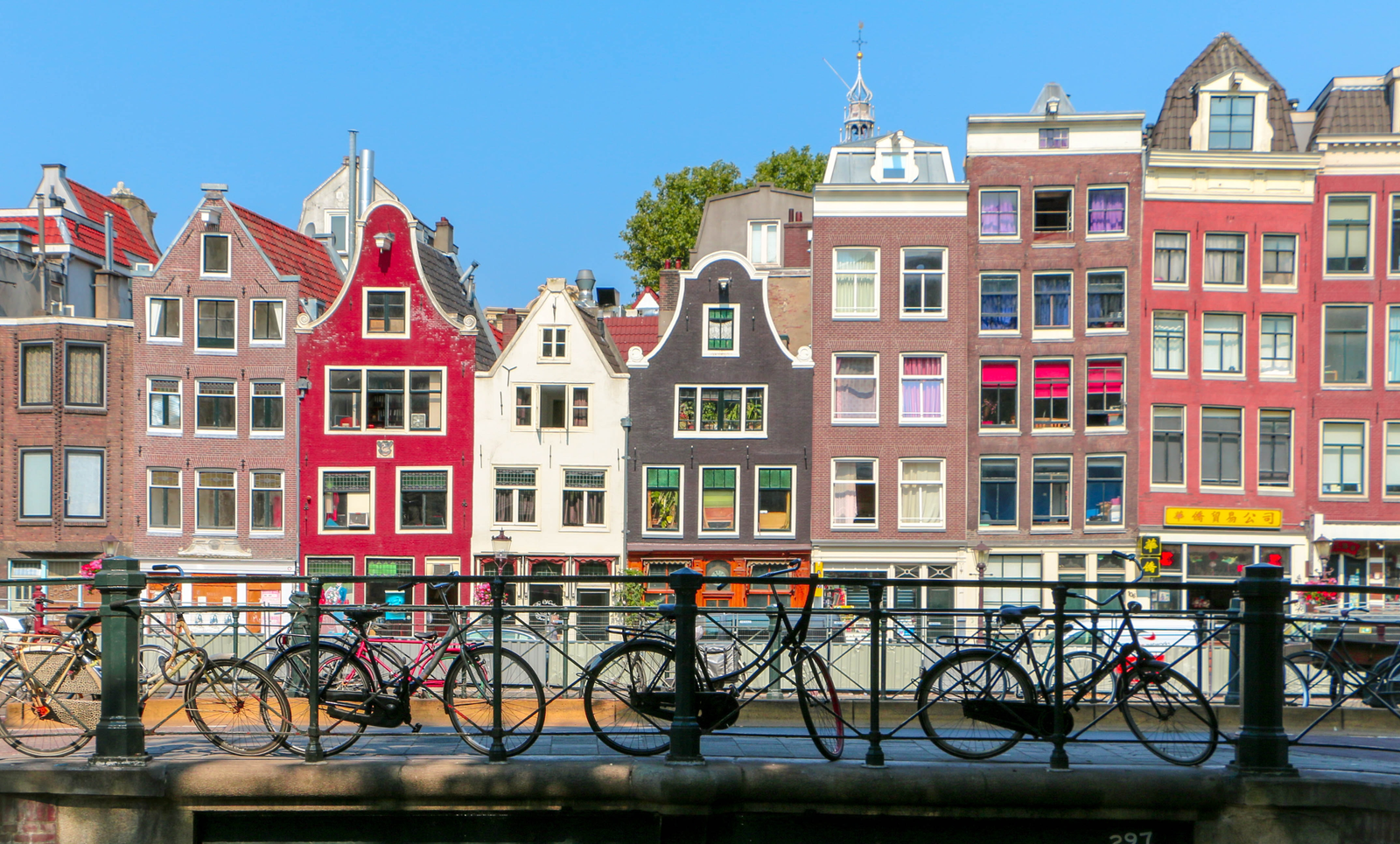
Amsterdam is the kind of city that doesn’t hurry you along. It meanders — through canals lined with narrow houses, under bridges wrapped in bicycles, across cobbled squares where café chairs face the sun. The air smells faintly of roasted coffee and rain-soaked stone.
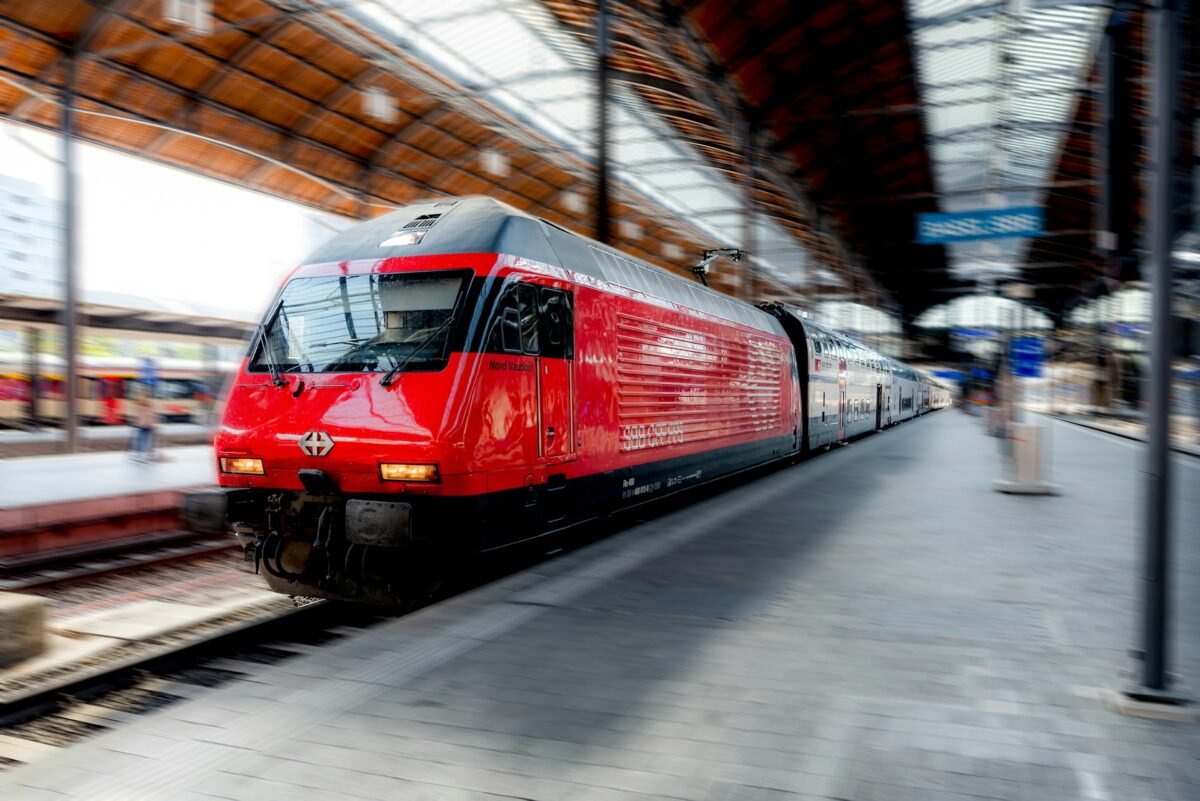
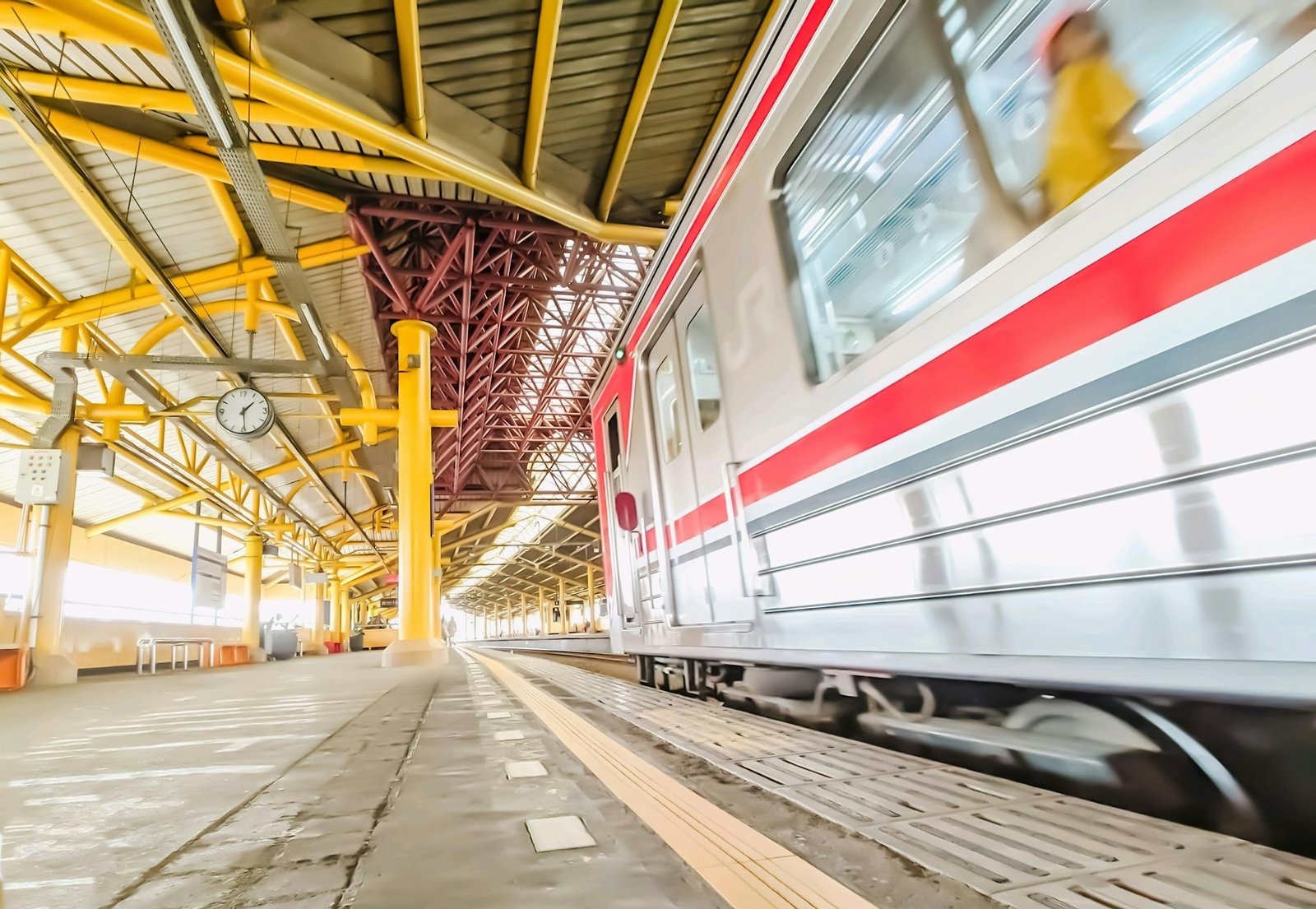
From here, the Amsterdam – Paris train tickets open the door to one of Europe’s most scenic and convenient routes. Services like Thalys and Eurostar whisk you away from Amsterdam Centraal with quiet precision, the red-and-white trains gliding out past the waterways and windmills that define the Dutch countryside.
The journey south begins gently. Wide, green fields stretch to the horizon, dotted with barns and tidy villages. You pass The Hague’s stately charm, Rotterdam’s steel architecture, and soon, the lowlands give way to Belgium — a country that feels both familiar and subtly new.
Beyond the Borders: The Southern Connection
While Amsterdam to Paris may be the quintessential north–south route, the same spirit of connection continues further south across the continent.
Travellers seeking sunshine and Mediterranean energy often follow another great route — one that links two of Spain’s most iconic cities. With Madrid to Barcelona train tickets, you can cross the heart of Spain in just a few hours, trading grand boulevards for seafront promenades.
Much like its northern counterpart, the journey offers more than convenience. The Spanish countryside unfolds in dramatic sweeps — ochre plains, olive groves, distant sierras — a landscape that hums with the warmth of the south.
These routes, north and south, speak to the same truth: Europe is built to be crossed by train. Every connection feels like an invitation
 .
.
Through Belgium: The Heart of the Route
Brussels marks the midpoint of the journey, and it’s worth a pause. Grand squares, gilded façades, and the comforting scent of warm waffles fill the air. The city hums with understated confidence — part bureaucratic hub, part cultural crossroads.
From here, the train quickens its pace, skimming through rolling farmland and small villages with spired churches. The colours outside the window shift — green fields deepening to gold as you approach France. It’s a journey of transition, not just in scenery, but in atmosphere.
Travelling this route feels a little like turning the pages of a story — each country a new chapter, each stop a different mood. And through it all, there’s that constant, soothing rhythm of wheels against rail, the low murmur of passengers slipping between languages.
Arrival in Paris: The Pulse of the City
Then comes Paris — sudden, cinematic, and alive. The train glides into Gare du Nord, and you step out into a city that hums with energy. Streets glimmer with café lights, car horns sing in distant unison, and the air carries a faint note of fresh bread and perfume.
From the grand boulevards of the Right Bank to the leafy quiet of the Left, Paris is a city made for both movement and pause. You could spend an afternoon watching the world pass from a terrace chair, or follow the Seine at sunset when the bridges blush in gold.
For travellers, this is the joy of Europe’s rails — stepping from one heartbeat into another without ever leaving the ground.
The Spirit of European Train Travel
Europe’s railway network has always been more than transport; it’s part of the continent’s identity. The Amsterdam–Paris line, in particular, feels timeless — efficient yet romantic, modern yet rooted in old-world charm.
There’s a simple, human pleasure in train travel that air travel can’t match: space to stretch, to look out the window, to sip a coffee as towns flicker by. It’s travel without the noise of terminals, without the rush. It feels personal, thoughtful — a way to move that gives you back time rather than taking it away.
Tips for Travellers
For those planning the Amsterdam–Paris journey, flexibility is key. Booking train tickets in advance can offer the best fares, especially during spring and autumn when the cities are at their most charming.
The journey typically takes around three hours and twenty minutes, with departures running frequently throughout the day. Choose a morning slot if you want to catch the soft Dutch light giving way to French afternoon sun, or an evening train if you prefer to arrive under the glow of Parisian streetlamps.
Both Amsterdam Centraal and Gare du Nord are central and well-connected, meaning your adventure can begin — or continue — without delay.
Why the Train Wins
In a time when travel often feels rushed or transactional, the train remains defiantly human. It invites conversation, observation, even stillness. It lets you feel distance without losing connection.
From Amsterdam’s serenity to Paris’s sparkle, the train offers something more than a journey: it offers perspective. You see the world in movement, but at a pace that allows meaning to catch up.
And perhaps that’s why travellers keep choosing the rails — not just for speed or simplicity, but for the beauty found between departure and arrival.
Conclusion: The Poetry of the Rails
The best train routes remind us that travel isn’t only about where we’re going, but how we get there. Between Amsterdam and Paris, between Madrid and Barcelona, the rails don’t just connect cities — they connect experiences, lives, and the quiet in-between spaces that often matter most.
You arrive not just somewhere new, but somehow changed. The memory lingers: the soft rumble beneath your seat, the flicker of light through the glass, the sense that the world — vast, beautiful, and in motion — is always closer than you think.