





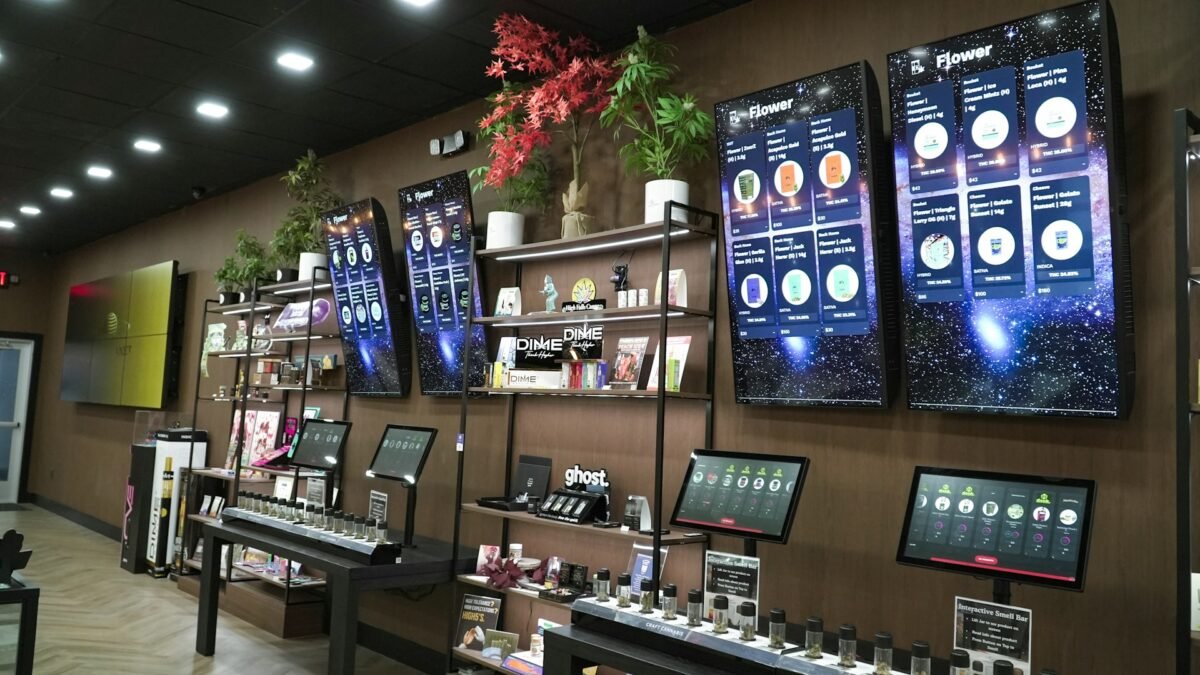

The main benefits of digital menu boards in drive-thru restaurants are higher efficiency, larger average order sizes through on-screen upselling, and a much better customer experience based on speed and order accuracy.
When Quick Service Restaurants (QSRs) replace printed signs with bright, real-time digital displays, drive-thru lanes move from simple “order points” to powerful, money-making customer touchpoints.
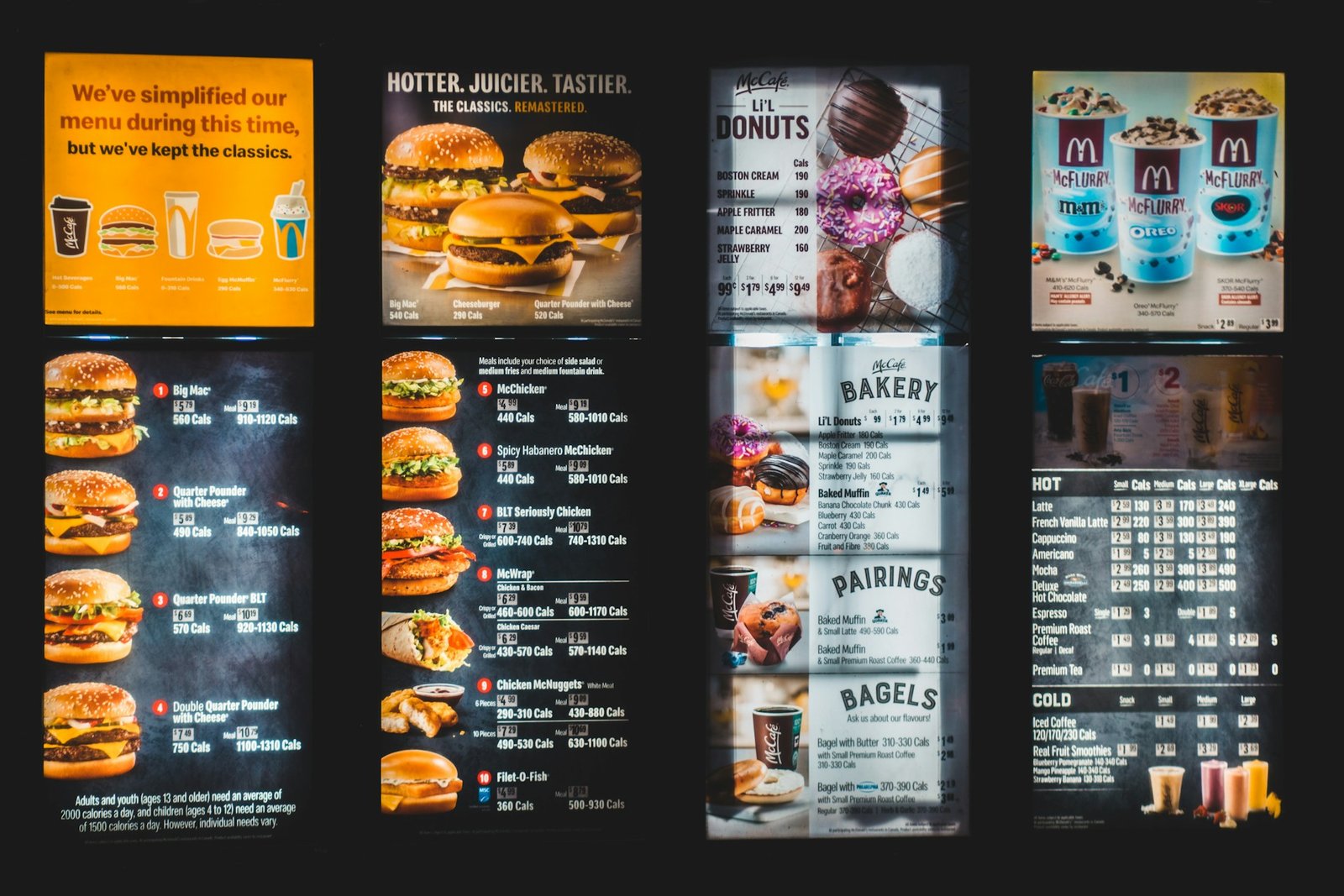
These systems support instant price changes, automatic menu changes by time of day, and eye-catching animations that attract attention far better than traditional signs.
In today’s fast-paced dining habits, where convenience is a top priority, investing in modern drive-thru digital menu boards is no longer a nice extra-it is a key business move. As of early 2026, the gap between technology-focused restaurants and those still doing manual updates has grown.
Customers expect an on-demand experience that is clear, simple to use, and visually appealing. By using these digital tools, restaurant owners can meet those expectations while also cutting long-term labor and printing costs.
What Are Digital Menu Boards for Drive-Thru Restaurants?
A digital drive-thru menu board is an outdoor electronic display built to handle harsh weather conditions. Unlike the indoor screens behind the counter, these units are heavy-duty displays built to stay easy to read in bright sun, heavy rain, or winter storms. They act as the main information link between the kitchen and the driver, giving a clear, high-definition view of every menu item.
Key Features of Digital Menu Boards
Modern outdoor digital displays come with technology built for visibility and durability. To fight the “washout” problem in direct sunlight, these screens usually reach 2,500 nits or more in brightness-much brighter than a regular TV.
On the software side, integration is a major strength. These boards can connect directly to a restaurant’s Point of Sale (POS) system. When the kitchen runs out of a limited-time or seasonal item, it can be removed from the screen automatically, so customers do not order something that is unavailable.
High-resolution 4K UHD screens allow for sharp, appetizing food images and smooth animations that make every combo meal look appealing.
Benefits of Digital Menu Boards in Drive-Thru Restaurants
The move to digital brings a wide range of benefits that affect every area of the business. From kitchen speed to guest satisfaction, the impact is large. Here are the main ways these boards change the drive-thru environment for the better.
Reduces Wait Times and Improves Service Speed
In drive-thrus, time is money. Digital menu boards help push more cars through per hour. Clear, sharp visuals and a logical layout help customers decide faster. When guests see options right away and do not have to struggle to read faded signs, the order process becomes shorter and smoother.
Enables Real-Time Menu and Pricing Updates
In 2026, costs and supply can change quickly. Beef prices might jump, or a supplier might delay a drink shipment. Digital menu boards let managers respond in minutes. There is no waiting for a print vendor or shipping of new panels. With a few clicks in the CMS, prices change and unavailable items disappear from the menu.
Improves Daypart Scheduling and Automated Menu Changes
One of the strongest features of digital signage is automatic switching by time of day, often called dayparting. Instead of cramming breakfast, lunch, and dinner onto one static board, digital menus update on schedule. At 10:30 AM, breakfast items fade out and lunch or burger options move front and center. Customers see only what they can actually order at that time.
Drives Upselling and Cross-Selling through Dynamic Promotions
Digital menu boards act like silent, always-on sales staff. Simple motion effects-such as steam rising from soup or bubbles in a cold drink-draw the eye and trigger cravings. Because moving images and vivid photos are more appealing than text alone, they work better at pushing high-margin extras like desserts, premium drinks, or sides.
Strengthens Brand Consistency Across Locations
For multi-location brands, keeping a consistent look and message can be challenging. Static boards may fade, crack, or be installed incorrectly. Digital boards give central teams full control. Corporate marketing can push out approved logos, fonts, colors, and video content to every site at once.
Lowers Printing Costs and Supports Sustainability
Traditional signage carries both financial and environmental costs. Planning, printing, shipping, and throwing away vinyl or paper inserts for many locations creates ongoing expenses and a lot of waste. Digital menu boards cut out those recurring printing and shipping needs and lower the restaurant’s environmental impact.
What Are the Costs and ROI of Adopting Digital Menu Boards?
While the benefits are strong, switching to digital does require planning and upfront spending. Total costs include high-brightness outdoor screens, CMS software licenses, installation, and ongoing design and content updates. When you look at Return on Investment (ROI), though, the numbers are very appealing.
Calculating ROI: Sales Growth and Operational Efficiency
To measure ROI, restaurants should consider both direct and indirect gains. Direct gains include an average sales increase of around 28% after upgrading the digital experience, plus sharp drops in printing costs. Efficiency gains show up in throughput: if clearer menus help you serve even five more cars per hour, that directly increases revenue.
Accuracy improvements also play a role. With digital confirmation, order accuracy can reach about 99.2%, cutting costs from incorrect orders, wasted food, and refunds or freebies for upset customers. When you add these factors together, the financial case for digital menu boards becomes very strong for any serious QSR business.
Conclusion: Embracing the Future of Drive-Thru Interaction
Beyond immediate revenue gains, digital menu boards open the door to Voice AI and advanced vehicle recognition. Soon, many drive-thrus may run with almost no staff involvement at the speaker, as customers talk to AI systems that connect directly with the digital menu. Staff can then focus on food quality and assembling orders instead of entering data.
At the same time, as “smart cities” grow, digital boards may link with traffic systems to offer special deals during rush-hour jams or other local events. The growth potential for digital signage depends only on how creatively operators use it. By moving to digital today, restaurants are investing in much more than screens-they are securing a place in the next major shift in hospitality.