





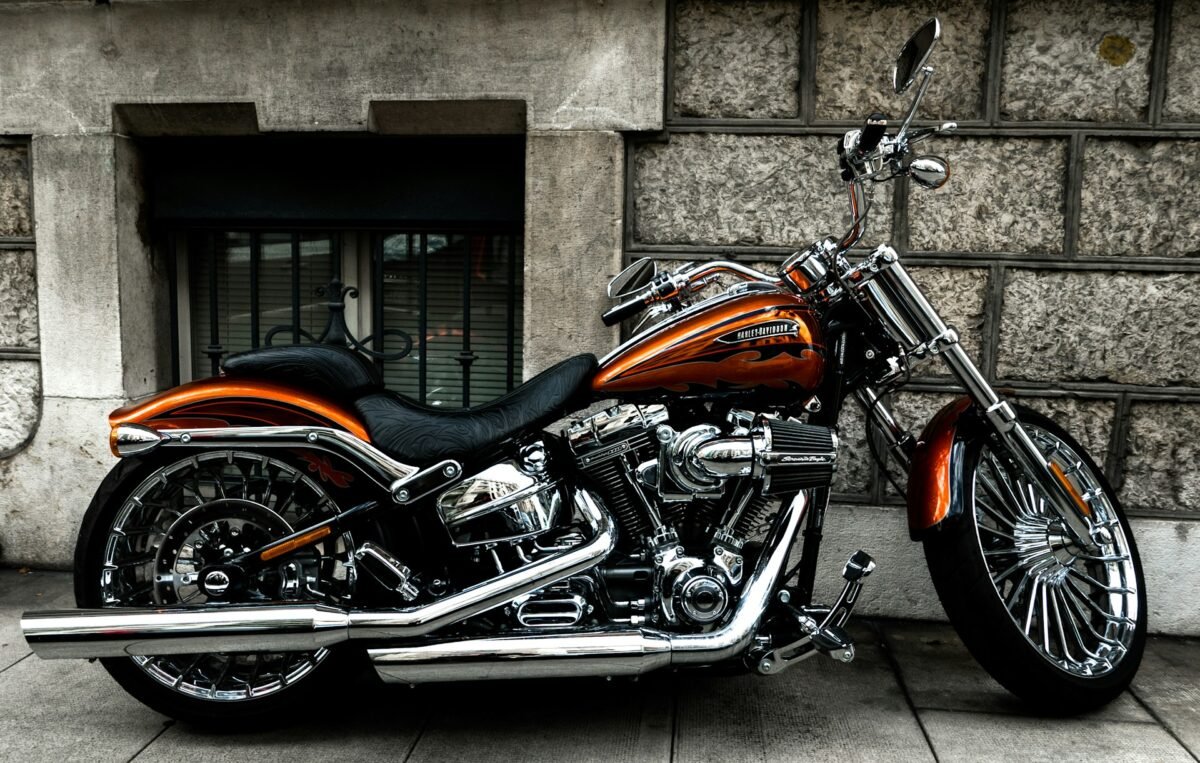

Harley-Davidson made the gradual transition from chain to belt final drive in the early 1980s.
Bikes with the “Cone” Shovelhead engines, such as the 1200cc Sturgis, were the first to see a makeover, with 1990s Sportsters following suit.
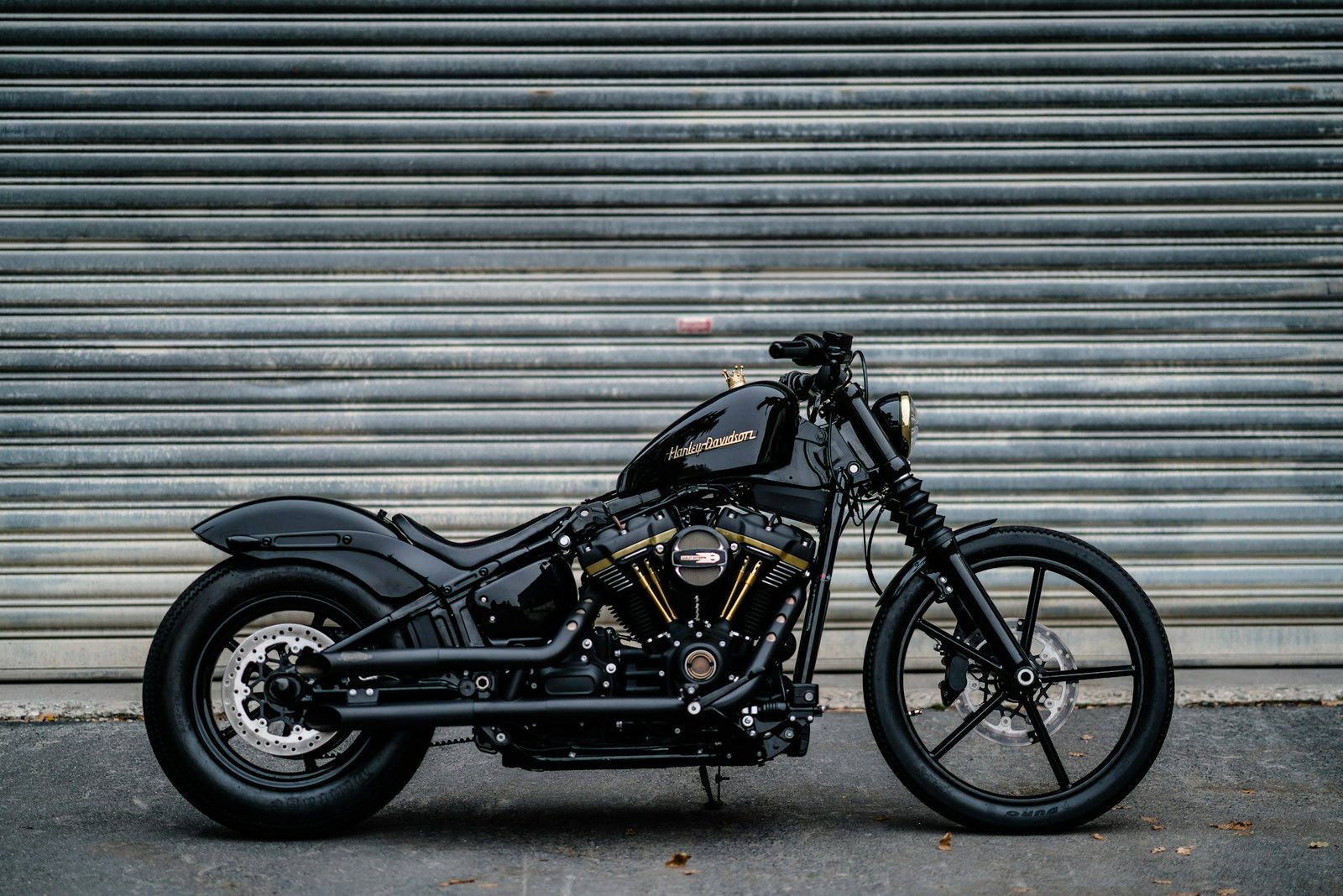
Apart from the Pan America 1250, all new Harleys now spin the rear wheel via a carbon-reinforced belt. This is to ensure a smoother and quieter ride, reduce maintenance needs, and get to 60 thousand miles without having to replace the belt.
This is all good for factory setups, but rarely does a stock Harley-Davidson remain unchanged. If you’re thinking about power mods, such as new intakes, exhausts or serious upgrades like big-bore kits, then chains come back into the picture. Factory belts soon show their limits with increased torque and power numbers, potentially snapping under excess loads, killing power and gutting the sprockets.
Conversely, a Harley Davidson final drive belt is more common in older, pre-1980s bikes with chain-driven Shovel and Evolution engines, making the bulk of conversions. Both have their list of pros and cons, but are meant for different machines.
Why Consider the Switch to Final Drive Belts?
The intentional switch to a Harley Davidson final drive belt throughout the entire model lineup brought on a few changes and benefits compared to the stock chain drive setup:
- Longevity: Newer drive belts are designed to outlast the bike itself, with most rated for at least 60,000 miles with minimal care. Belt-drive machines with more than 100 thousand miles on the odo and the stock belt aren’t rare- more so than chains that see replacements every 20 to 30 thousand miles. Materials and designs play a key role in this context, with high-tensile strength Kevlar or carbon-fibre reinforced belts and precision-cut grooves that blend seamlessly with pulleys and gears for smooth power transfer.
- Low-maintenance: Unlike chain final drives, belts skip lubrication, meaning considerably lower maintenance, and a cleaner setup with no oil spray. With proper tensioning, this is a set-and-forget solution that lets riders concentrate on riding.
- Quiet and smooth operation: Natural and synthetic rubber is more forgiving than metal rollers, bushes and links or toothed metal sprockets spinning thousands of times each minute. Pulley and belt configurations are quieter, vibration-free, and eliminate belt slack or play for a smoother ride.
- Modern styling: Retrofitting older bikes with belt final drives brings the overall aesthetic closer to newer machines with a cleaner, uncluttered look.
Main Tradeoffs
For everyday riding, belt final drives are the maintenance-free and more durable choice. However, they’re not without fault. Rocks, gravel and sharp road debris can cut through the belt cords, potentially leading to snapping. Moreover, any substantial torque or horsepower mods lead to unwanted elongation or slipping, often resulting in power loss.
Converting to a Harley Davidson final drive belt also takes considerable time (up to 6 hours) and specialised tools, with work involving removing the seat, exhaust, rear wheel and primary drive, taking off chains and sprockets and assembling pulleys and the belt. There’s also time lost for proper alignment and tensioning. Lastly, belt conversions can get expensive. Aside from labour costs, you’ll be shelling out for new front and rear pulleys, belts and mounting hardware, with prices in the mid three figures. –
When Do Chain Conversions Make Sense?
Chains go for sheer strength. They can easily handle higher engine loads – the type you’d expect from common power upgrades – without succumbing to wear or failure. Properly adjusted and tensioned chains also fare better for efficiency (96-99% vs 85-91%) with minimal power loss, though real-world differences may be harder to spot in everyday riding. It’s when the bikes and V-twins are pushed that chains show a clear advantage. That and the fact that the all-metal setup lasts longer when facing rocks and road debris, provided it’s regularly lubed.
While maintenance and cleanliness favour belts, chain drives take up less space, allowing for more clearance when fitting fatter tyres. This is a common modification in cruisers like the Sportster. More keen considerations are the compatibility with heavily customised bikes, and that there are more options in changing the gearing – either with shorter gearing for faster low-end acceleration, or taller gearing and more grunt higher up the rev range.
Also, a key point of difference is repairs. Broken chains are much easier to fix, requiring only a spare master link and chain-breaking tools. This, though, rarely happens prior to telltale signs, such as kinked or rotated links, rust or worn side plates. Compared to missing teeth, cracked cords or swelling in worn or overheated belts, riders can still repair chains at the side of the road and continue riding.
Lastly, converting to a chain final drive for high performance is simplified with packaged, direct-conversion kits. These consist of front and rear hardened steel sprockets, sealed chains and accompanying mounting hardware, including sprocket bolts and locking nuts. While complexity remains similar to belt final drive conversions, there’s considerable work in getting the right alignment and ensuring correct tensioning, besides modifications to the primary drive sprocket to get proper chain clearance.
Making the Switch
Belt and chain final drive conversions are a matter of preference. Make the switch from chains and sprockets to Harley final drive belts and pulleys if you’re looking for a maintenance-free solution geared more towards everyday riding on decent roads. This ensures rides are quieter and cleaner, with no spraying oil. If you already have a newer bike with a belt final drive, and mainly do highway miles, stick with the belt drive.
Alternatively, if you’re serious about upping power, going with wider rear tyres, or doing a mix of motorways and B-roads littered with debris, then choose a chain final drive conversion. What’s to like with both customisation options is that Harley riders are spoilt for choice, and can get tailored parts and kits for an exact, easy fit. This ensures compatibility and proven performance.