



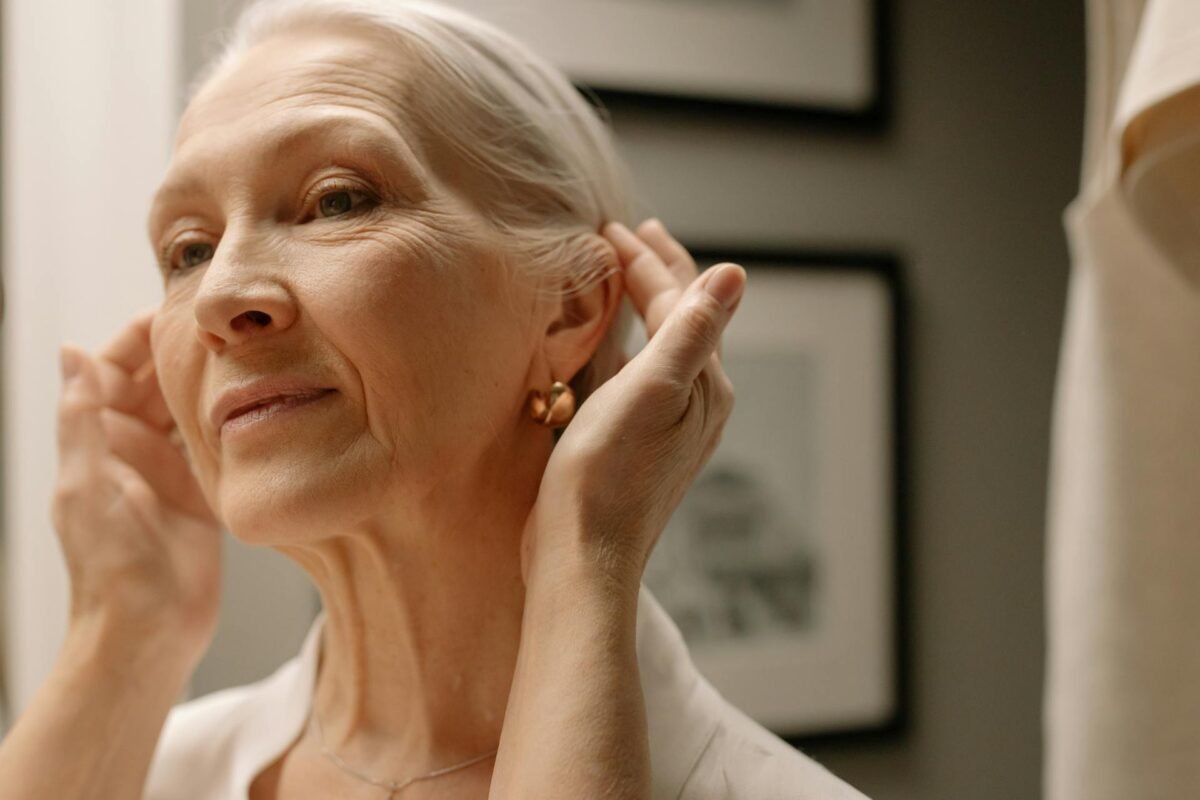

The mirror tells a story. Jowls appear along the jawline. Deep creases sit beside the nose. The neck skin loosens. The face looks tired. Not old necessarily. Just tired. The solution is a facelift. But which one? Two main options exist.
The mini facelift fixes early signs. The full facelift addresses advanced aging. The choice affects recovery time. It affects cost. It affects the final result. The decision comes down to lifestyle and goals. For anyone researching mini facelift vs full facelift, understanding the differences makes the choice clear.
The Mini Facelift Explained
This is the lighter option. Smaller incisions. Shorter recovery. Less dramatic results. The surgeon cuts around the ear. They tighten the deeper tissues. They remove a small amount of skin. The focus is the lower face. The jowls lift. The jawline sharpens. The nasolabial folds soften.
The surgery takes two to three hours. Local anesthesia with sedation works. General anesthesia is optional. The recovery is about two weeks. The results last five to seven years. This is the entry point for many patients.
The Full Facelift Explained
This is the complete version. Longer incisions. Longer recovery. More dramatic results. The surgeon cuts from the temple down around the ear. The incision continues into the hairline. They lift the skin completely. They tighten the underlying muscles. They remove significant excess skin.
The neck gets addressed thoroughly. The jowls disappear. The jawline becomes sharp. The neck contour restores. The surgery takes four to six hours. General anesthesia is required. The recovery is about three to four weeks. The results last ten to twelve years.
The Recovery Time Difference
A mini facelift patient returns to work in ten days. Bruising fades by day seven. Swelling hides under makeup by day five. Social events are possible at two weeks. A full facelift patient needs more time. Two weeks before feeling human. Three weeks before leaving the house. Four weeks before social events. Six weeks before the face looks normal.
The swelling lasts longer. The bruising spreads further. The numbness persists for months. A patient with a flexible schedule chooses the full lift. A patient who cannot take long time off chooses the mini.
The Scar Comparison
Both leave scars. The mini leaves shorter ones. Hidden in the ear crease. Extending slightly onto the hairline. The scar heals quickly. Fades to a thin white line. The full leaves longer scars. From the temple down around the ear. Into the hairline behind the ear. Possibly under the chin for neck work.
These scars take a year to fade. They remain visible on close inspection. A patient who wears short hair sees more. A patient who wears hair down hides them well. The trade-off is scar length versus result longevity.
The Age Considerations
Age is just a number. Facial aging varies dramatically. A forty-year-old with good skin chooses the mini. The early jowls and mild sagging respond well. A fifty-year-old with significant laxity needs the full. The mini would leave them disappointed. The neck sagging would remain. The jowls would still show.
A sixty-year-old with advanced aging definitely needs the full. Maybe with additional procedures. A neck lift. A brow lift. Eyelid surgery. The mini would be a waste of money. Honest surgeons say this directly.
The Lifestyle Fit
A busy professional needs downtime. A teacher cannot take three weeks off easily. A lawyer cannot hide in an office. A mini facelift fits this life. Two weeks and the face looks presentable. Makeup covers the rest.
A retired person has more flexibility. They can disappear for a month. They can recover at leisure. They can ice and rest properly. The full facelift fits this life. A parent of young children has no time. Neither option works well. The mini requires rest. The full requires more. Childcare becomes a huge issue.
The Cost Difference
Money matters here. A mini facelift costs eight to twelve thousand dollars. A full facelift costs fifteen to twenty-five thousand. The price reflects operating time. The mini takes two hours. The full takes five. The anesthesia costs less for shorter cases. The facility fees are lower. The surgeon’s fee reflects their time.
A patient with a tight budget chooses the mini. A patient who wants the best result chooses the full. The mini is not a discount full facelift. It is a different procedure. For a different patient. With different expectations.

The Future Planning
A mini facelift is not permanent. The results last five to seven years. The aging process continues. Another mini might be needed. Or the patient graduates to a full facelift later. A full facelift lasts ten to twelve years. Maybe longer with good skin care. The patient ages slower from this better baseline. The investment of time and money pays off longer.
A younger patient might start with a mini. An older patient might go straight to the full. The best choice considers the future. Not just today’s face. But the face five years from now. Ten years from now. The surgeon helps with this timeline. The patient provides the goals. The right match produces the right result. A refreshed face. A natural look. A shorter recovery or a longer one. Less dramatic change or more.
The choice is personal. There is no wrong answer. Only the answer that fits the face looking back from the mirror. That face deserves the truth. The truth about what each option delivers. And what it costs. In money. In time. In recovery. The truth sets realistic expectations. Realistic expectations lead to happiness. That is the real goal. Happiness in the reflection. Finally.