






Not every cycling improvement has to come from brutal workouts or high-end gear. In fact, many of the smartest riders unlock performance gains by focusing on overlooked fundamentals.
These cycling performance hacks aren’t about spending more or training harder — they’re about riding smarter.
Whether you’re preparing for a big event or just want to feel stronger during your weekend ride, applying a few key adjustments can lead to noticeable improvements. Here are six practical, no-fluff cycling tips for riders who want real results.
1. Prioritize Recovery Like You Prioritize Training
Many cyclists focus on logging miles and hitting power numbers, but recovery is where the actual progress happens. After a tough ride, your body needs time to rebuild and adapt. That happens primarily during deep, uninterrupted sleep.
Aiming for 7 to 9 hours of quality rest per night helps regulate hormones, reduce inflammation, and repair muscle fibers. If you’re training hard but not seeing results, poor sleep is often the culprit. It also affects reaction time, mood, and decision-making — all of which matter on the bike.
Don’t treat sleep as optional. Build a wind-down routine, stay off screens before bed, and give yourself enough time to recover properly. Better rest equals better riding.
2. Fuel Smart, Not Just Fast
What you eat — and when — can make or break a ride. Many cyclists wait until they’re hungry to start eating, but by then, their bodies are already running on empty. That sudden energy dip? That’s glycogen depletion, and once it hits, it’s hard to bounce back.
If you’re riding for more than 75 minutes, plan your nutrition. Bring fast-digesting carbs such as gels, chews, or carb-rich drink mixes. Start fueling within the first 30 to 45 minutes of your ride, then continue every 20–30 minutes after. The goal is to stay ahead of fatigue, not chase it once it’s already there.
Aim for 30–60 grams of carbohydrates per hour, depending on intensity. Practice your fueling plan during training — not on race day — so you know what works for your stomach.
3. See More, React Faster
Clear vision doesn’t just make a ride more enjoyable — it directly impacts performance. When you’re flying downhill at 30 mph or navigating technical terrain, your ability to process what’s ahead in real-time can mean the difference between smooth handling and dangerous missteps.
Contrast-enhancing lenses help you spot obstacles faster and read surface changes more clearly, giving you more confidence and control. This is especially important in low light, dappled sunlight, or variable weather. Riders with vision correction needs should consider prescription cycling sunglasses designed specifically for sports performance. They stay in place, adapt to lighting changes, and provide the clarity needed for sharp decision-making at speed.
This isn’t a style choice. It’s a practical upgrade that affects how you ride — and how safe you stay.
4. Keep Your Drivetrain Clean and Fast
Your bike may look fast, but if the drivetrain is coated in grime, you’re losing speed with every pedal stroke. A dirty chain increases friction, delays shifting, and reduces your efficiency. Over time, it also wears down components and affects your bike’s responsiveness under pressure.
It’s a quick fix that many overlook. Every 7–10 rides — or more often in wet conditions — clean your chain and cassette, then reapply the lube. Keep it simple: wipe off visible dirt, use a chain-specific cleaner, and avoid over-lubing.
The result is a smoother, quieter ride and more efficient power transfer. It’s one of the most cost-effective cycling performance hacks available — and it’s entirely under your control.
5. Train Your Aero Posture Gradually
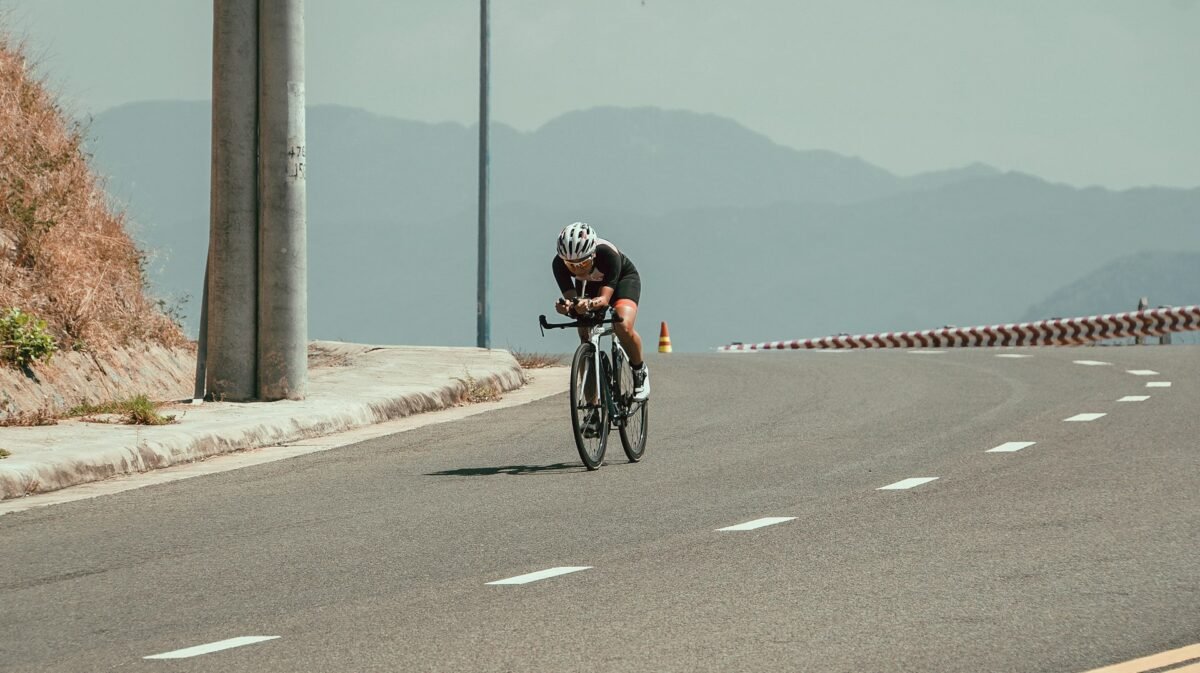
Wind resistance is the enemy of speed, especially on flat terrain or in headwinds. While bike upgrades can help, the most significant aerodynamic gain still comes from your own position on the bike.
Lowering your torso and narrowing your profile reduces drag, but it can be uncomfortable if your core and upper body aren’t prepared. That’s why it’s important to train for this position, like any other skill. Start by riding in the drops for five minutes at a time. Build up slowly until you can hold that posture for 20 minutes or more without discomfort.
Strengthen your core, stretch regularly, and pay attention to how your back and neck feel. Don’t force it — adapt over time. Once you’re comfortable in a more aerodynamic position, you’ll see immediate speed gains without extra effort.
6. Hydration Isn’t Optional — Make It a Habit
Even mild dehydration affects performance. It reduces blood volume, increases perceived effort, and slows reaction times. Many cyclists underestimate their fluid loss, especially on cooler days when thirst cues are less obvious.
Set a hydration plan. A good rule: one bottle per hour, more if it’s hot or you’re pushing hard. Add electrolytes if you’re going longer than 90 minutes or sweating heavily. Don’t rely on thirst alone — create a habit of sipping every 15–20 minutes.
Staying hydrated also helps with recovery. It aids nutrient transport, joint lubrication, and temperature regulation. It’s not just about comfort — it’s a fundamental performance factor that too many riders treat as an afterthought.
Final Thoughts
The truth is that better performance on the bike often comes from small, consistent improvements — not dramatic overhauls. These cycling tips for riders focus on the basics that matter: sleep, nutrition, hydration, posture, vision, and maintenance.
They may not be flashy, but they work. By integrating these cycling performance hacks into your routine, you’ll ride more efficiently, recover more fully, and stay safer on the road or trail. Best of all, most of them don’t require buying a new bike or changing your entire lifestyle — just a bit of awareness and commitment to the details.
Cycling success doesn’t always come from doing more. Sometimes, it’s about doing the simple things better — and with the right gear from trusted sources like CA Glasses, you’re set up for clear, confident rides every time.