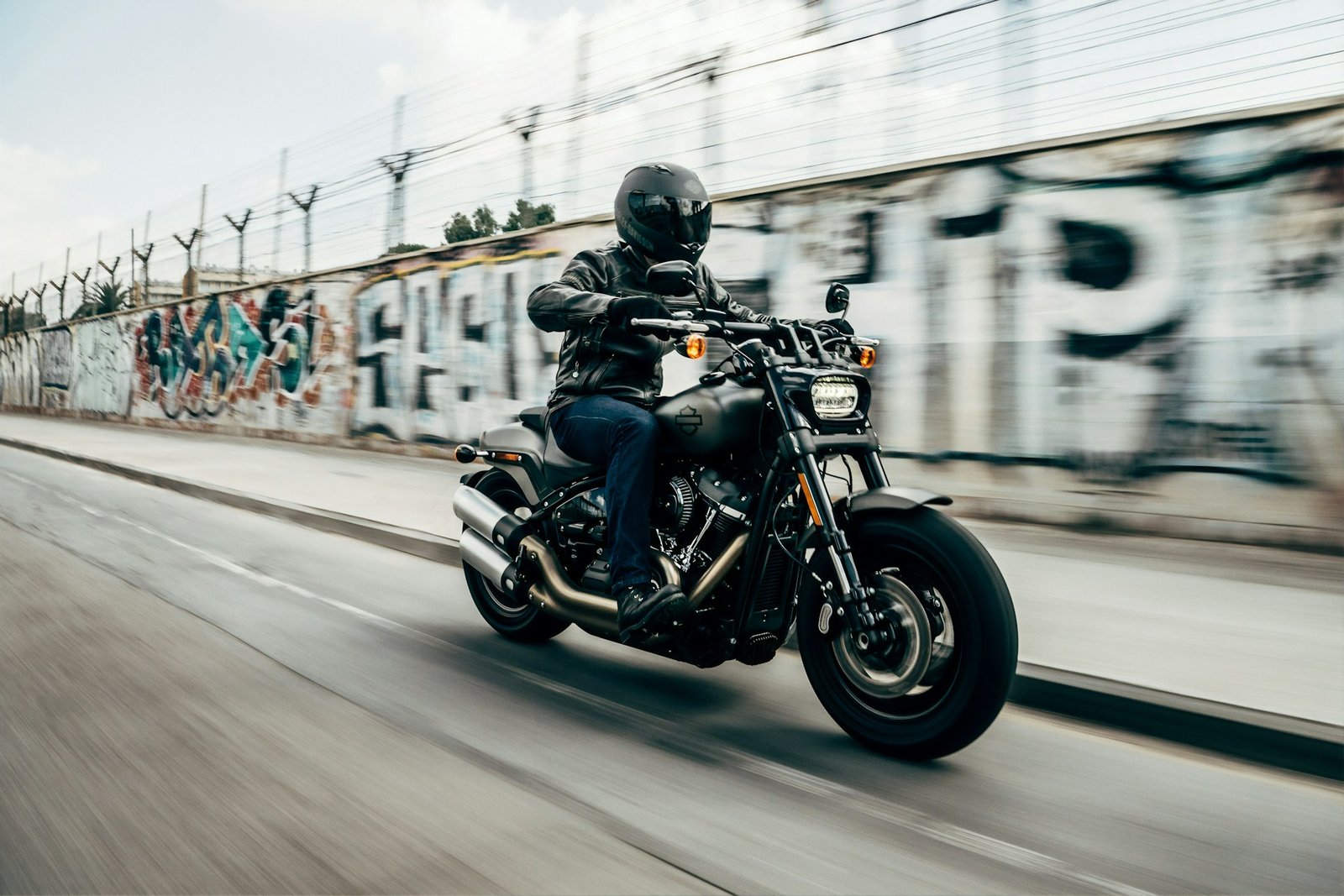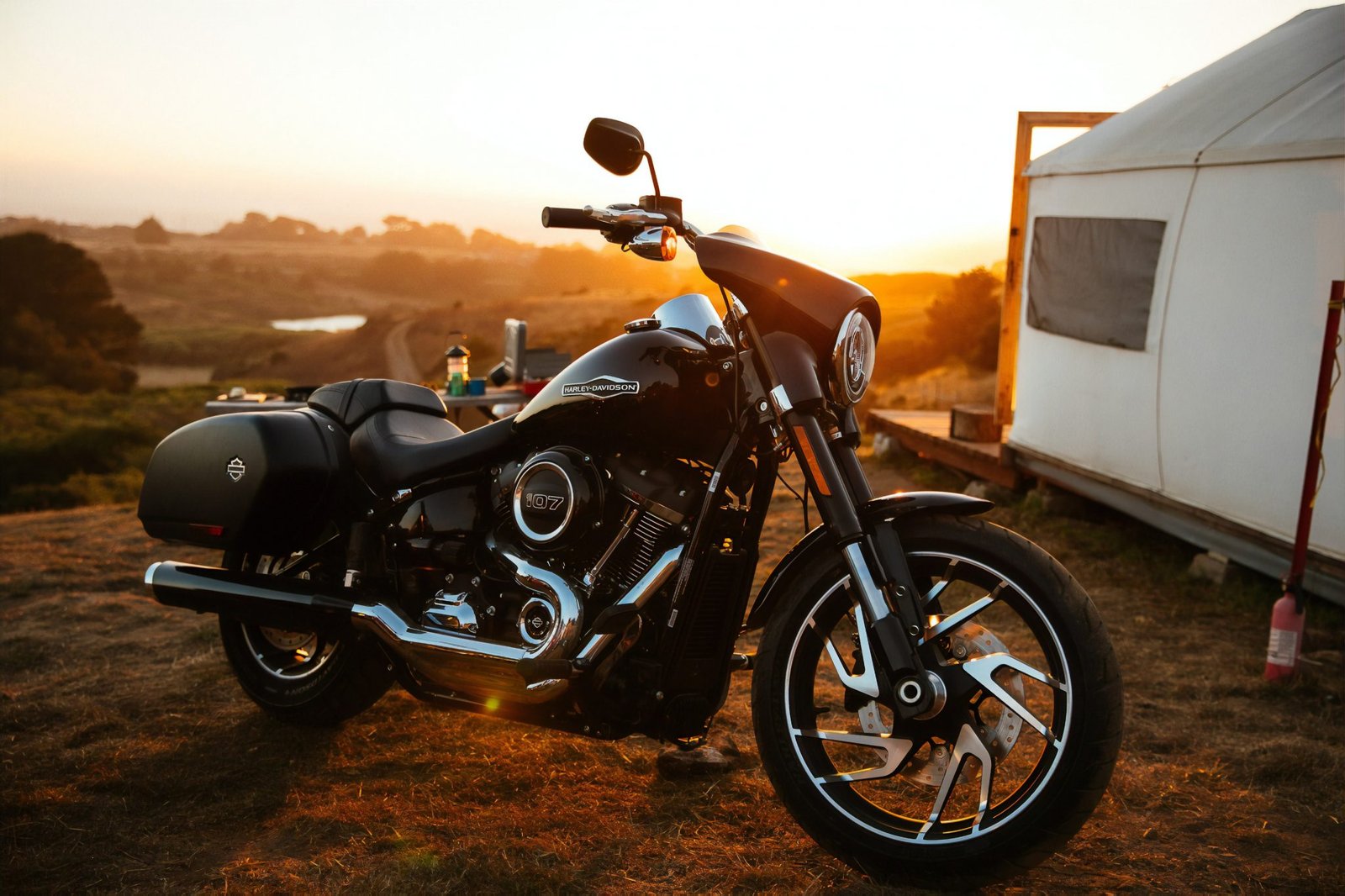







Riding a motorcycle offers a sense of freedom that few other forms of transportation can match.
The open road, the responsiveness of the bike, and the connection between rider and machine all make motorcycling unique.

But that freedom also comes with responsibility, because motorcycles leave far less room for mechanical failure than cars.
Understanding the motorcycle safety practices that keep a bike in top condition can be the difference between a smooth ride and a serious accident.
Unlike larger vehicles, motorcycles rely on a delicate balance of components working perfectly together. When even one part fails, the consequences can be immediate and severe.
Motorcycles Leave No Margin for Error
Cars have seat belts, airbags, and four wheels for stability. Motorcycles do not. A minor issue in a car, such as slightly worn brakes or underinflated tires, can become life-threatening on a motorcycle.
Regular maintenance helps ensure that every system on the bike performs as expected. From braking to steering to acceleration, each function depends on properly maintained parts. Ignoring small issues allows them to grow into dangerous failures.
Tire Maintenance and Road Grip
Tires are one of the most critical safety components on a motorcycle. They are the only point of contact between the bike and the road. Worn tread, improper inflation, or uneven wear can drastically reduce traction.
Routine tire inspections help riders spot cracks, low tread depth, or pressure issues before they cause a skid or blowout. Good tires provide better grip in corners, shorter stopping distances, and improved stability—especially in wet or uneven road conditions.
Brake Systems Save Lives
Motorcycle brakes require precise care. Worn brake pads, contaminated brake fluid, or warped rotors can significantly reduce stopping power. Because motorcycles are lighter and more responsive, brake issues may not always be obvious until it’s too late.
Regular maintenance ensures brake components are clean, properly aligned, and functioning at peak efficiency. Quick, reliable braking is often what prevents a close call from becoming a collision.
Engine and Transmission Reliability
The engine and transmission are the heart of a motorcycle. Oil changes, chain adjustments, and clutch inspections keep these systems running smoothly. Low oil levels or dirty oil can lead to overheating and engine failure, sometimes while riding at highway speeds.
Proper maintenance not only improves safety but also enhances performance. A well-maintained engine responds predictably, giving riders confidence in acceleration and control.
Steering and Suspension Stability
Suspension and steering components play a major role in handling and balance. Worn shocks, loose bearings, or misaligned forks can make a motorcycle unstable, especially during turns or sudden maneuvers.
Routine inspections help catch these problems early. A stable suspension absorbs road imperfections, keeps tires firmly planted, and allows for precise steering—critical elements for avoiding hazards.
Electrical Systems and Visibility
Motorcycles rely heavily on visibility to stay safe. Headlights, brake lights, turn signals, and horn systems must all work correctly. Electrical failures can leave riders nearly invisible to other drivers, especially at night or in bad weather.
Regular checks ensure that all lights and signals are functioning properly. Good visibility doesn’t just help the rider see the road—it helps others see the rider.
Preventing Accidents and Legal Issues
Beyond physical safety, maintenance can also have legal implications. If a crash occurs and poor maintenance contributed to the accident, liability may shift toward the rider. Proper upkeep demonstrates responsibility and reduces the likelihood that mechanical failure will be blamed.
Insurance claims and legal disputes often involve vehicle condition. Maintenance records can help show that the bike was roadworthy and properly cared for.
Building Rider Confidence
A well-maintained motorcycle inspires confidence. When riders trust their equipment, they can focus on the road rather than worrying about mechanical issues. Confidence leads to smoother riding, better decision-making, and safer reactions in unexpected situations.
Maintenance isn’t just about fixing problems—it’s about preventing them before they occur.
Key Takeaways
- Motorcycles have little room for mechanical failure, making maintenance critical.
- Tires and brakes are essential for traction and stopping power.
- Engine, transmission, and suspension systems directly affect control and stability.
- Functional lights and electrical systems improve visibility and communication.
- Proper maintenance can reduce accident risk and protect against liability.
- A well-maintained bike builds confidence and supports safer riding habits.