





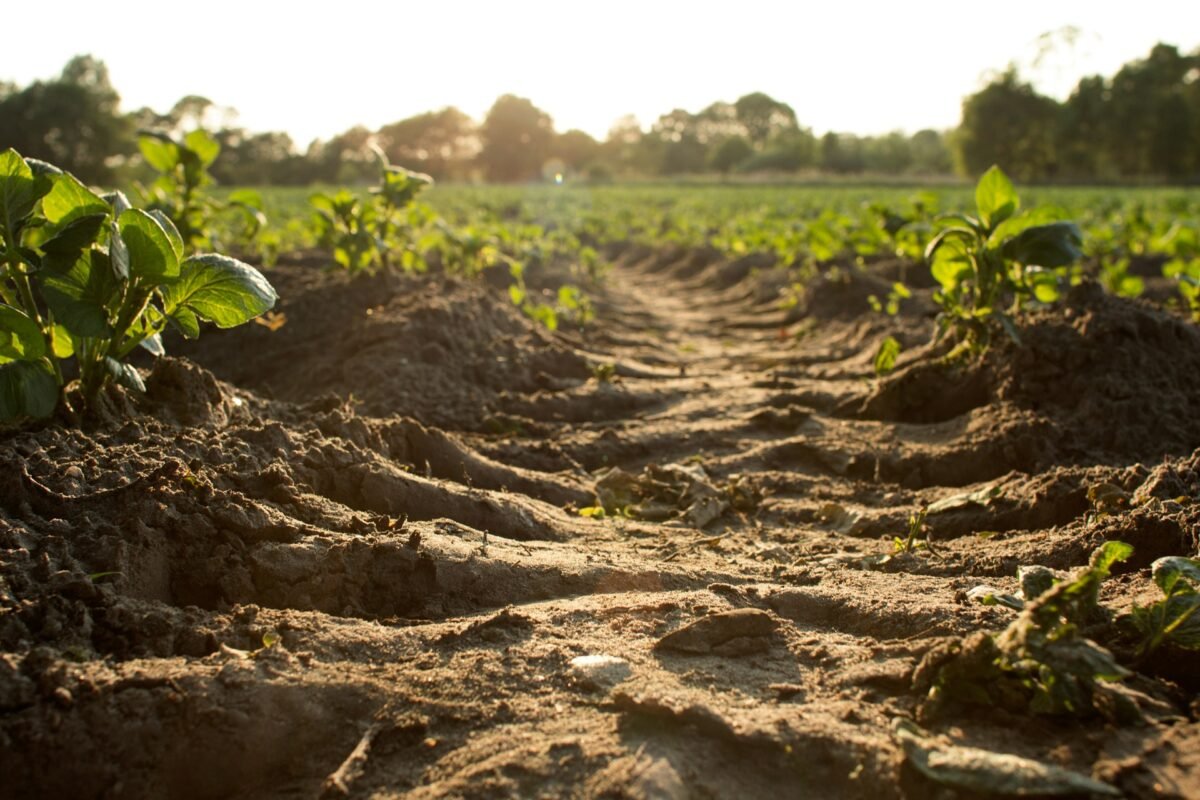

The top layer of deep, rich soil in a field is the basis of plentiful crops and of gardens in local yards. But sometimes soil is unable to fulfill its inherent potential because of intoxication. Nevertheless, poor soil can be converted to fertile soil in multiple ways.
Steps for Soil Treatment and Improvement
An understanding of useful techniques is essential in providing growers with the keys to successful harvests and exquisite landscaping. In this article, we are going to discuss extensively used soil treatment methods, their importance, and their applications.

Soil Testing: The First Step
Soil analysis is the first requirement of any improvement method. Testing gives you actual data on pH, nutrients, and contaminants. From this, growers can make informed decisions on the appropriate treatments for their needs. The accuracy of results avoids needless modifications and facilitates a more powerful decision-making procedure.
Physical Soil Improvement
Poor structure makes it difficult for roots to penetrate. When soil gets compacted, it reduces the movement of water and air. Mechanical methods break down dense layers and create pores that improve aeration. This process enables roots to develop and promotes the activity of beneficial organisms.
Organic Matter Incorporation
Soils that have been amended with compost, manure, or leaf mold are very much healthier. They can enrich the soil with nutrients and enhance its water retention capacity. Additionally, the use of organic materials fosters the activity of earthworms, which aids soil aeration and nutrient cycling. Consistent use of organic matter will turn barren soil into an active and synergistic place.
Adjusting Soil Acidity
The pH of the soil is a very important factor in the health of plants. Under acidic or alkaline conditions, nutrients cannot be absorbed, so they cannot grow very well. In acidic soils, lime raises pH to a more neutral level, but in overly alkaline conditions, sulfur will lower pH. Close monitoring can help pH levels stay within an ideal range for the type of plant being grown. The right pH balance keeps roots healthy and produces thriving plants.
Chemical Soil Amendments
In some cases, the soils are deficient in necessary minerals like nitrogen, phosphorus, or potassium. Fertilizers replace those minerals, enabling plants to grow vigorously. There are all kinds of fertilizers that assist the soil, like slow-release fertilizers, which nourish slowly, and fast-acting fertilizers, which give instant results. Controlled use stops plant nutrients from running off into nearby water bodies.
Biological Treatments
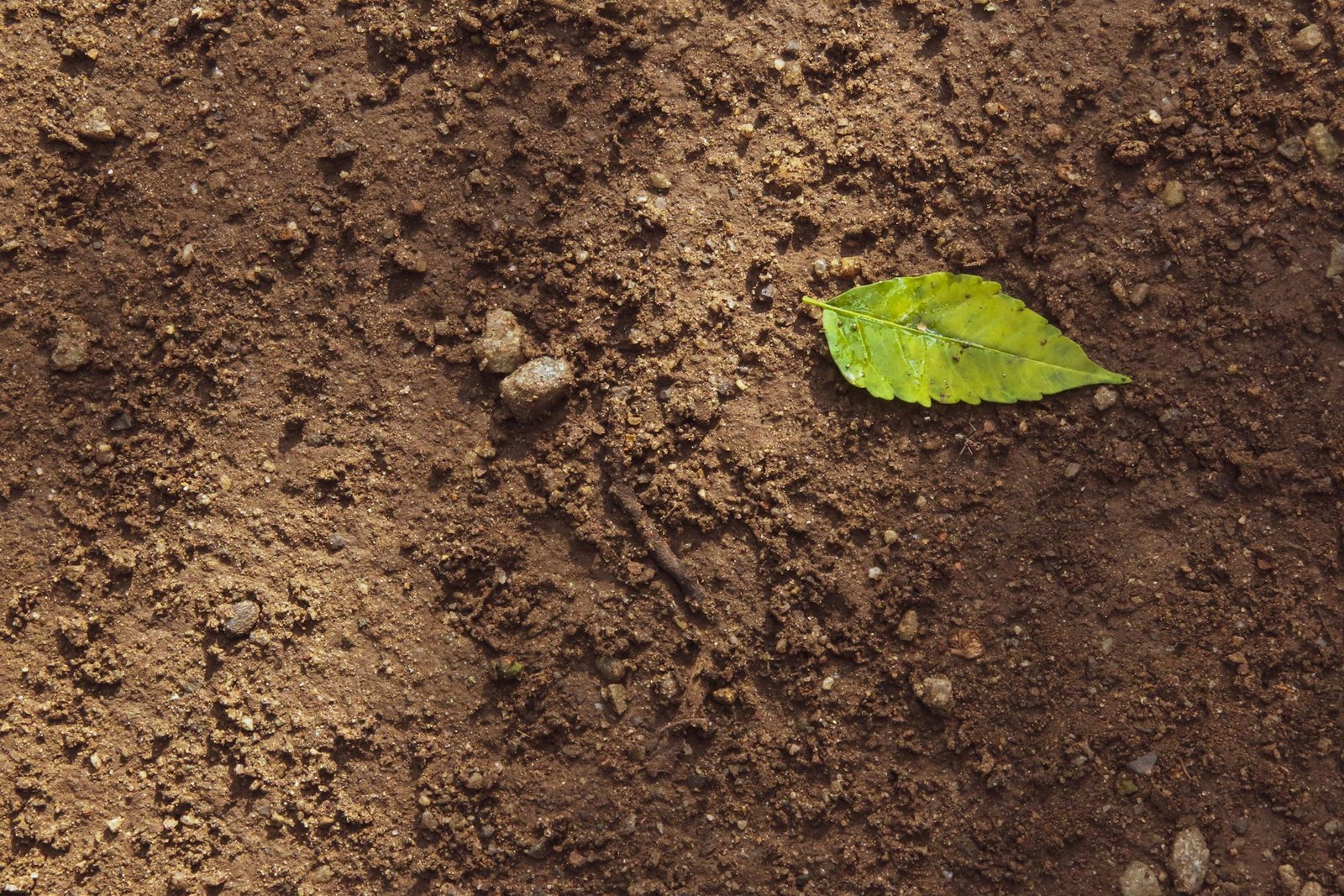
Microorganisms are very important in maintaining the soil’s fertility. By inoculating the soil with beneficial species, you can improve nutrient availability and disease resistance. There are even specific interventions that reintroduce mycorrhizal fungi that form a symbiotic relationship with plant roots. These associations improve the capacity to absorb water and nutrients. By utilizing the biological amendments regularly, you will build a living, vibrant, and healthy soil food web.
Contaminant Removal and Remediation
Some soils have their own poisonous heavy metals or chemical residues. To reduce their impact and make land safe for plants and people requires remediation techniques to tackle these threats. One means for remediation is to strip layers of contaminated dirt and replace it with inert material. Some people have plants or microorganisms slowly soaking up or breaking down toxins. The choice of strategy will depend on the nature and quantity of contaminants.
Mulching for Protection and Improvement
When you top-dress soil with organic or inorganic matter, you are doing several beneficial things. These materials allow holding moisture in, limiting weed growth, and keeping the temperature stable. Wood chips, straw, or even shredded leaves are organic mulches that break down over time, slowly feeding the soil. Inorganic choices, like gravel, provide nutrients for a long time. Selecting a suitable mulch contributes both to short and long-term soil health.
Crop Rotation and Green Manures
In order to prevent nutrient depletion and interfere with the life cycles of pests, farmers use crop rotation and green manure techniques. This type of agriculture constantly changes the types of plants grown in a specific area during each season. These include crops, such as clover or rye, specifically for plowing back into the soil. They incorporate organic matter, nitrogen, and structural improvement. Crop rotation and cover cropping are effective practices that can decrease reliance on chemical fertilizers or pesticides.
Conclusion
Soil treatment enables healthy plants and high yield. Both techniques have their benefits, and what you use should be based on how your soil is doing and what you want to achieve. With the right approach, any grower can have fertile ground that bounces back year after year with green and healthy gardening or farming. Long-lasting results come from taking care and improvements.