





You probably want the short answer before reading a thousand words so here it is.
If you are seeing curled or cracked shingles, finding coarse black sand in your gutters, spotting daylight through the attic boards, or noticing dark streaks & moss growth, your roof is likely in trouble.
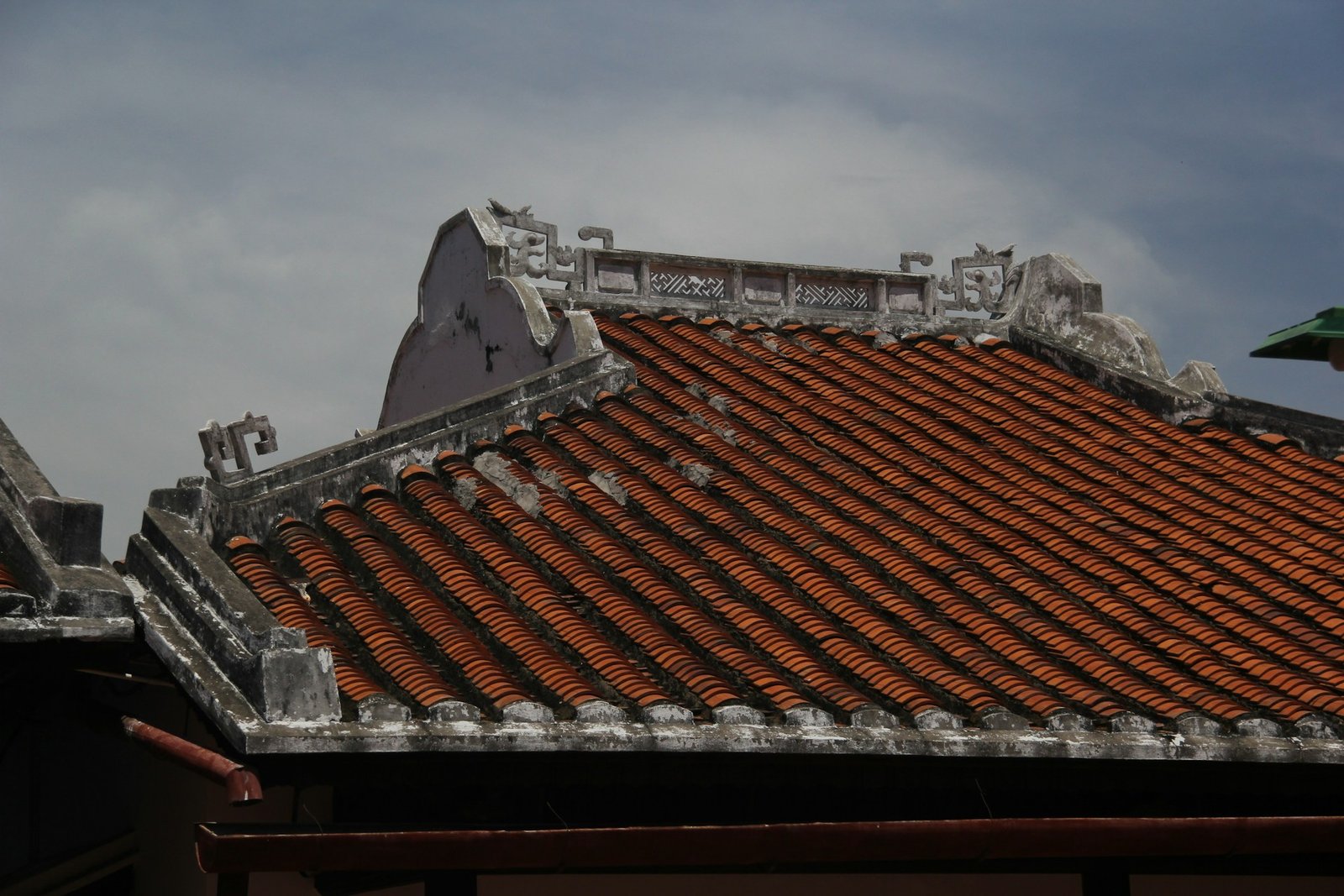
Other major red flags include sagging rooflines, sudden spikes in energy bills, peeling paint near the roofline, and flashing that looks rusted or separated. Catching these issues early saves you a fortune. Ignoring them buys you a very expensive indoor swimming pool.
I know how easy it is to ignore the roof. It’s up there. Out of sight. And frankly, nobody wakes up on a Saturday morning excited to inspect asphalt shingles. But I’ve learned the hard way that a roof doesn’t fix itself.
It waits.
It waits until the worst possible thunderstorm to fail. I’m writing this because I want you to be smarter than I was a few years back. You don’t need a degree in structural engineering to spot these problems. You just need eyes and a ladder. Actually, maybe just binoculars if you are afraid of heights.
Shingles That Are Curling and buckling
This is usually the first thing you will notice from the ground. Look at the slopes of your home that get direct sunlight. If the shingles are starting to look like they are peeling away from the roof, that is bad news. We call this curling.
It happens in two ways usually.
There is cupping, where the edges of the shingles turn upward. And there is clawing, where the edges stay flat but the middle starts to hump up. It looks distorted. It looks old. This happens because the asphalt is drying out and shrinking over time. Once they curl, the wind can get underneath them easily. Then they snap off.
I think it’s important to mention that this signifies the shingles have lost their flexibility. They are brittle. You can’t just glue them back down. If you see widespread curling, you are likely looking at a replacement rather than a repair. It’s past its prime.
Granules Filling Up Your Gutters
Next time you clean your gutters, look at the muck at the bottom. Does it look like black sand? Those are the protective granules from your shingles. They aren’t just there for decoration or color. They protect the asphalt from the sun’s UV rays.
Once those granules are gone, the sun bakes the shingles to death.
I remember cleaning the gutters on my first house and finding piles of this stuff. I thought it was just dirt. It wasn’t. It was my roof disintegrating slowly. A little bit of granule loss is normal for a new roof, just extra loose stuff washing off. But if your roof is ten or fifteen years old and you see this, it’s a sign the shingles are nearing the end of their life cycle.
Check the ground around your downspouts too. Sometimes the water carries them all the way down. If you see bald spots on the shingles themselves, that is the final stage. That shingle is toast.
Daylight Through the Roof Boards
You need to go into the attic for this one. Go up there on a sunny day and turn off the lights. Let your eyes adjust for a minute. If you see beams of light coming through the bottom of the roof boards, you have a problem.
It might look pretty. Like stars.
But it means your shingles are missing or compromised. And if light can get in, water can get in. Actually, water can get into places light can’t even reach. So if you see light, assume the water has already been inviting itself in for months.
While you are up there, look at the insulation. If it looks flat or matted down, it might have gotten wet recently. Damp insulation is useless insulation. Plus it breeds mold.
The Roof Is Sagging
This one scares me. A sagging roof is not a surface problem. It is a structural problem. It means the decking underneath the shingles is rotting, or worse, the supports in the attic are failing.
You can usually spot this from the street. Look at the ridge line. It should be straight. If it dips in the middle like a saddle on an old horse, you need professional help immediately. DO NOT walk on a sagging roof. It could collapse under your weight.
I’m not trying to be alarmist here. But structural issues are dangerous. They are often caused by long-term water leaks that rotted the wood, or perhaps improper installation where the weight wasn’t supported correctly. Either way, this isn’t a DIY fix.
Moss, Mold, and Fungi Growth
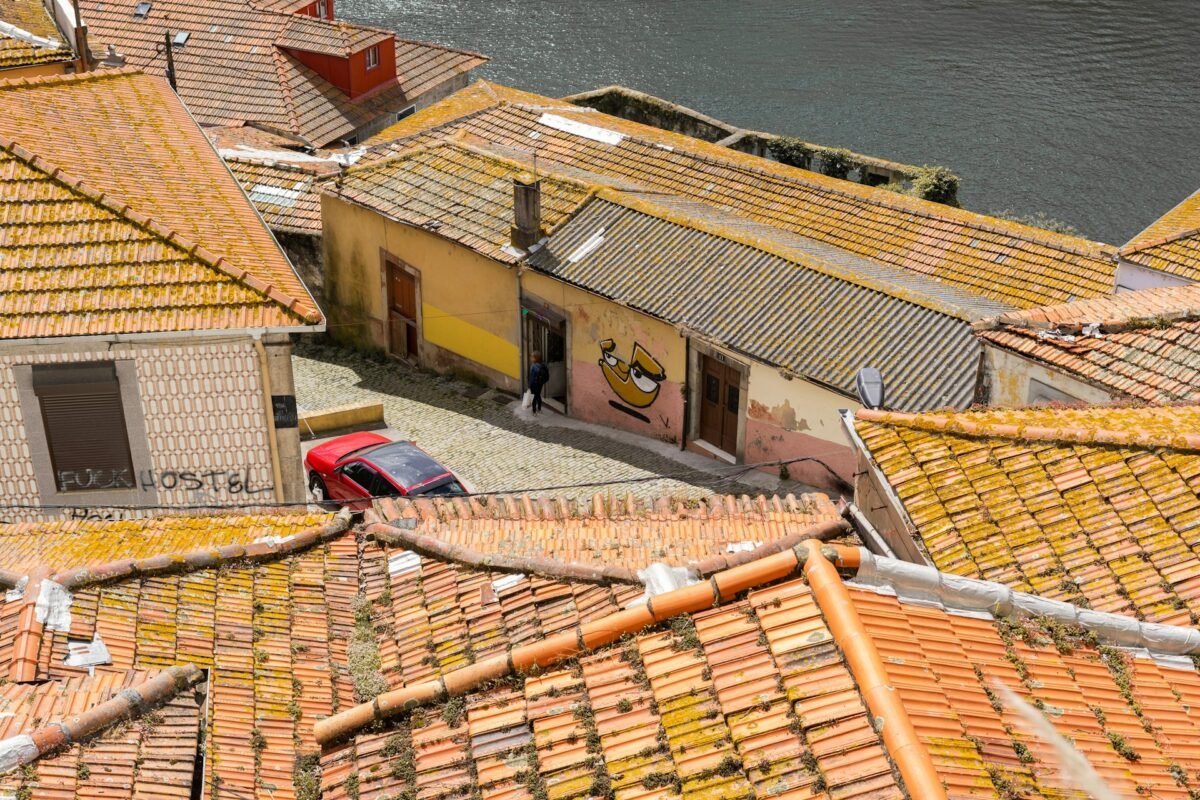
A lot of people think moss looks quaint. Like a cottage in the woods. It adds character, right? Wrong. Moss is a sponge. It holds water against the roof surface. That moisture eventually works its way under the shingles and into the wood deck.
In cold climates, that wet moss freezes. Ice expands. It lifts the shingles up and cracks them.
Then there is that black streaking you see on roofs. That is usually algae. Specifically Gloeocapsa magma. It feeds on the limestone filler in asphalt shingles. While algae isn’t as immediately destructive as moss, it eats away at the integrity of the roof over time. Plus it looks terrible.
You can clean it off, sure. But if the moss has established a root system, scrubbing it might rip the granules right off the shingle. It’s a delicate enviornment up there, and you have to be careful not to cause more damage while trying to clean it.
Missing or Cracked Shingles
This seems obvious. If pieces of your roof are lying on the lawn, you need to fix it. But sometimes it’s just one or two tabs. You might think, “Eh, it’s just one shingle.”
Don’t think that.
A missing shingle is like a gap in your armor. The wind catches the exposed edge of the surrounding shingles and rips them off too. It’s a zipper effect. One missing tab can turn into a missing section in a single storm. If you are handy, you can replace a few shingles yourself. Just make sure you match the color.
Cracked shingles are harder to spot from the ground. You might need to get up there or use a drone camera. Cracks usually happen from thermal splitting—the roof getting hot and cold over and over again until the material just gives up.
Damaged Chimney Flashing
The chimney is a common weak point. Flashing is the material—usually metal—that seals the gap between the chimney and the roof. Older houses might use tar or roof cement.
If you see tar, it’s probably time to replace it. Tar cracks. It’s messy. It’s a temporary fix that people treat as permanent.
Metal flashing is better, but it can rust or pull away. If the flashing is loose, water funnels right down the side of the chimney and into your attic. I’ve seen so many leaks blamed on the roof when it was actually just bad flashing. This Old House has some great guides on what proper step flashing should look like if you want a visual reference.
Your Energy Bills Are Suddenly Higher
This is a sneaky one. If your heating or cooling costs jump up and you haven’t changed your habits, your roof might be the culprit. A compromised roof lets air escape.
Or worse.
If your insulation gets wet from a small leak, it loses its R-value (that’s the resistance to heat flow). Wet fiberglass doesn’t insulate. It just sits there like a wet blanket. So your furnace has to work overtime to keep the house warm. The roof is part of the thermal envelope of your house. If it fails, your wallet feels it every month.
Interior Water Stains
Look up at your ceilings. Do you see brown rings? Maybe faint yellow discoloration? Those are water stains. And they rarely happen because you spilled water on the ceiling from below.
The tricky thing about water is that it travels. The spot on the ceiling might be ten feet away from the actual leak in the roof. Water runs down the rafters until it hits a low point or a nail, and then it drops. Tracking down the source is maddening sometimes.
If you see a stain, don’t just paint over it. Please. You have to find the source. Paint hides the symptom, not the disease. The wood above that drywall is rotting while you ignore it.
Peeling Paint Under the Eaves
Walk around the outside of your house and look at the soffits and fascia (the boards right under the roof edge). Is the paint peeling or blistering?
This happens when water leaks down behind the gutters or through the edge of the roof. It saturates the wood. The moisture pushes the paint off from the inside out.
It could also be a ventilation issue. If hot, moist air from your house is getting trapped in the attic because of poor ventilation, it can cook the paint off the eaves. Either way, it’s a sign that the roof system isn’t managing moisture correctly.
Growth of Mold on Exterior Walls
If you see mold growing on the exterior wall where it meets the roof, say on a corner, it indicates a kick-out flashing failure. The flashing is supposed to direct water into the gutter.
If it’s missing or bent, the water runs down the wall instead. Over years, this rots the siding and the framing behind it. It’s a small detail that causes massive damage. I’ve seen entire corners of houses that had to be rebuilt because of a missing piece of metal worth five bucks.
Ice Dams in Winter
This applies if you live somewhere cold. An ice dam is a ridge of ice that forms at the edge of the roof & prevents melting snow from draining. The water backs up behind the dam and leaks into the home.
Ice dams happen because the roof is too warm. Heat escapes from the living space, melts the snow on the upper roof, and it freezes when it hits the cold eaves. This usually means your attic ventilation is poor or your insulation is lacking. It damages the shingles and the gutters.
The Roof Is Just Old
Sometimes there isn’t a dramatic failure. Sometimes the roof is just tired. If you have asphalt shingles, they typically last 20 to 25 years. If your roof was installed when the first Matrix movie came out, you are on borrowed time.
Check your paperwork. If you don’t know when it was installed, look at your neighbors. Neighborhoods are often built at the same time. If all your neighbors are getting new roofs, you probably need one too.
Final Thoughts
I know roof work is expensive. It is one of those purchases that hurts because you don’t get a shiny new toy to play with afterward. You just get… dryness. But being proactive is cheaper than being reactive. Fixing a few flashing points or replacing a vent boot is a couple hundred bucks. Replacing a rotted roof deck and removing mold from your attic is thousands.
Grab a pair of binoculars this weekend. Walk around your house. Look for the curls, the cracks, the moss. If you spot something, call a local roofer, not the guys who knock on your door after a storm, and get an inspection. Your future self will thank you for it.