






When setting up a new appliance, safety and reliability matter just as much as performance.
A brand-new washer or refrigerator should make life easier, not create more work or lead to costly repairs.
If you’re planning to get an appliance installed at home or at your business, this article provides seven yet right crucial steps that will help you avoid common mistakes, stay safe, and enjoy peace of mind.
1. Start With the Right Measurements
As you move forward with any installation, double-check the size of both the appliance and the space it’s going into. Make sure the height, width, and depth match up, and think about the path the appliance will take through doors or tight corners. Always remember to leave a little extra space for airflow, especially for dryers, fridges, and dishwashers, so they can run safely and efficiently.
2. Check the Electrical and Plumbing Requirements
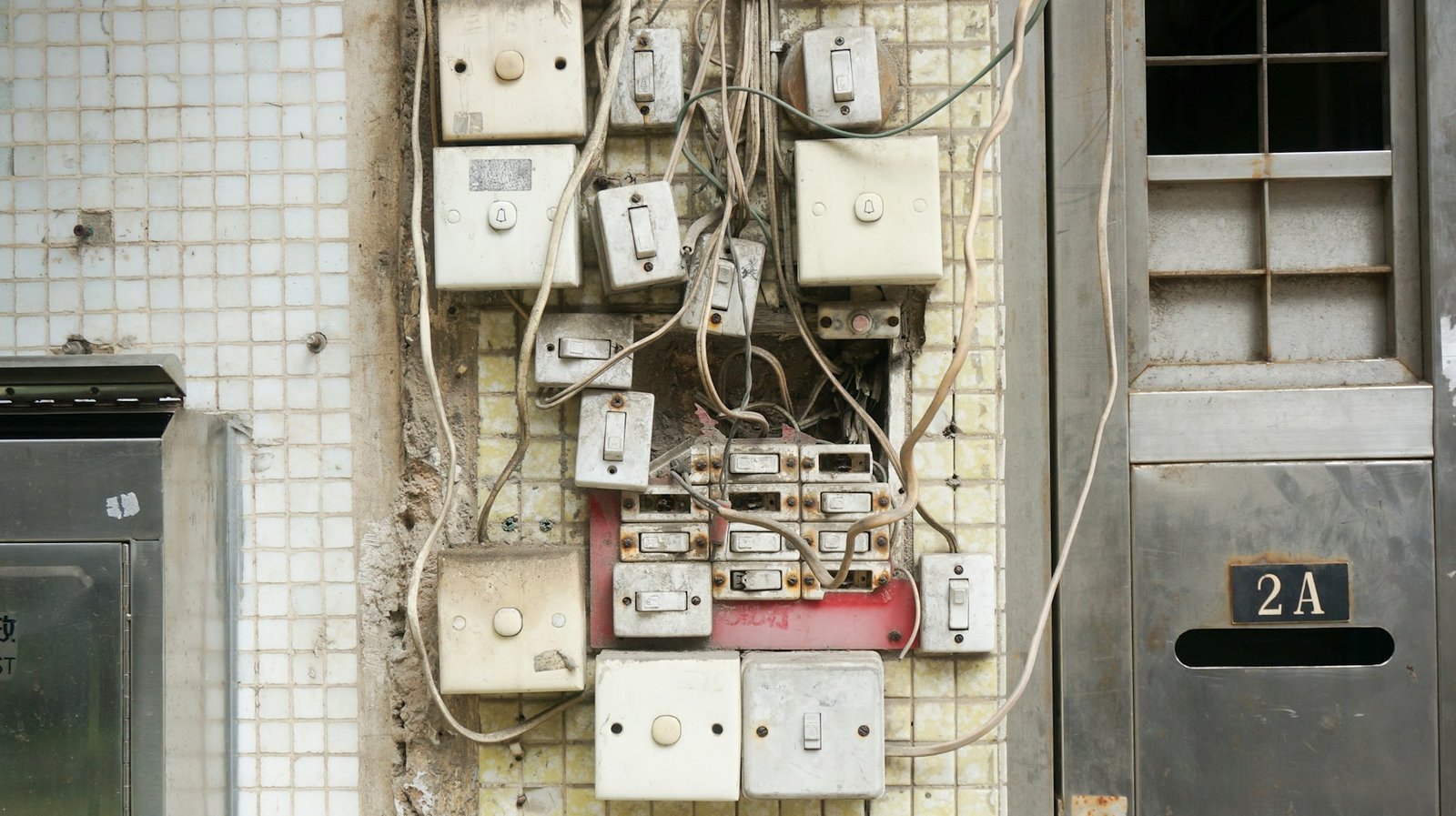
Before plugging in anything, check that the outlet matches the appliance’s plug, voltage, and amperage to avoid short circuits or fire risks. For dishwashers, washing machines, or gas stoves, look at the plumbing or gas lines for any signs of leaks, rust, or weak pressure. Keep in mind that fixing these issues immediately keeps your home safe and prevents damage when everything gets connected.
3. Hire a Qualified Technician
If you’re not completely sure how to install your appliance, avoid guessing and bring in a qualified technician. Hiring a licensed expert knows how to handle wiring and testing without causing damage or breaking safety rules. Also, following local codes and manufacturer instructions protects your warranty. Even if it costs a little more upfront, proper installation helps you avoid dangerous problems later.
4. Follow the Manufacturer’s Instructions
The installation manual might seem like an extra step, but it’s there to guide you through the right setup for your appliance. Each model has specific instructions for spacing and connections, even if it looks like one you’ve installed before. Skipping steps or using the wrong tools can lead to mistakes or void the warranty. When you follow the manual, you’re more likely to pass inspection and avoid extra work later.
5. Inspect Everything Before the Installation Begins
Once your appliance is delivered, give it a close look before the installation starts. Check for any dents or missing parts because it is much easier to address issues before the appliance is hooked up. That way, you don’t end up uninstalling it later to return or exchange it. However, there are some shipping mishaps that aren’t obvious at first glance, but conducting a thorough quick check can save a lot of trouble later.
6. Keep the Area Clear and Safe
Take time to clear the area around the installation space, before the technician arrives for appliance Installation Services. Move furniture, remove rugs, and make sure there’s a safe path for moving the appliance. If there are pets or children in the house, make sure they stay out of the way during the setup. Having a clear workspace allows the installer to focus on the job without distractions or delays.
7. Ask Questions Before and After the Installation
Don’t hesitate to ask questions if something doesn’t make sense or if you want to understand the setup better. Whether it’s about using the appliance or resetting the settings, a technician can often share useful tips. Keep in mind that once the installation is complete, double-check that everything works properly. Ensure the appliance powers on, cycles through its functions, and doesn’t show error codes.
Professional Appliance Installation That Works!
Reliable appliance installation begins with proper planning and ends with careful testing. From delivery to set up, each step plays a key role in making sure everything works safely and correctly. When you ask the right questions and rely on trained professionals, you avoid mistakes and save time. Whether you’re upgrading your kitchen or setting up laundry, doing it right the first time makes everything easier.