





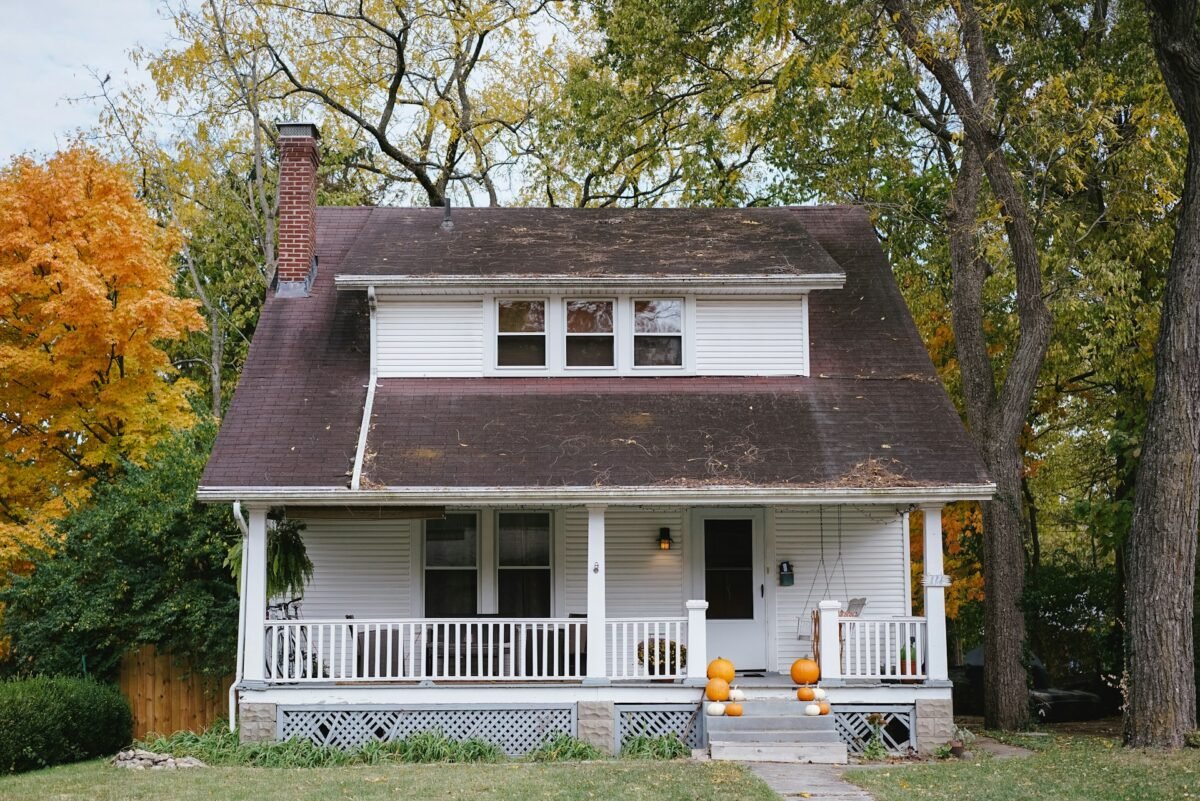

Moss is a quiet but persistent issue for homeowners in Washington.
Thanks to the region’s damp climate, overcast days, and constant rain, moss thrives not only on roofs and pathways but also under siding—where it can silently cause long-term damage.
If left untreated, moss under siding can trap moisture, promote rot, and compromise your home’s exterior. Fortunately, you can prevent this problem with the right installation methods, ventilation solutions, and protective barriers.
Whether you’re installing new siding or maintaining an existing structure, this guide will help you avoid moss-related headaches.
Why Moss Grows Under Siding in Washington
Moss spores float freely in the air and love cool, damp, and shaded environments—conditions that are all too common in places like Seattle, Tacoma, Olympia, and other parts of western Washington.
When siding is installed without proper moisture management, water gets trapped behind the panels. Add shade from nearby trees and lack of airflow, and you’ve got a perfect recipe for moss growth.
That’s why investing in professional siding installation with moisture control in mind is one of the best steps you can take to protect your home.
Explore the benefits of expert siding installation in Washington for long-term protection against moss and weather damage.
1. Leave Proper Installation Gaps
Tight siding may look sleek, but it can trap moisture underneath. Over time, this trapped moisture creates an ideal habitat for moss, algae, and even mold.
How to prevent it:
- Follow manufacturer guidelines for expansion gaps between panels.
- Avoid letting siding rest directly on the ground or concrete—maintain a minimum 6-inch ground clearance.
- Install starter strips and flashing correctly to guide water away from wall surfaces.
Correct installation gaps allow your siding to “breathe,” ensuring better drainage and reducing the conditions moss needs to grow.
2. Improve Ventilation Behind Siding
Even the best siding material will hold moisture if there’s no airflow behind it. This is where smart ventilation comes in.
Tips to boost airflow:
- Use a rainscreen system: These systems add a small drainage and ventilation space between siding and sheathing.
- Add vented soffits and ridge vents to promote continuous airflow through attic and wall spaces.
- Trim back overgrown trees and shrubs that cast constant shade on the siding.
Adding a rainscreen is especially useful in Washington siding installations, where heavy rain and high humidity are frequent.
Learn how modern siding in Washington are designed to handle moisture and improve ventilation year-round.
3. Use Anti-Microbial Barriers and Coatings
To take protection one step further, use materials that actively resist moss and microbial growth.
Effective barriers include:
- Anti-microbial house wraps: These go behind the siding and prevent mold and moss from forming on wall sheathing.
- Zinc or copper flashing: These metals naturally release ions that prevent moss spores from growing.
- Moss-resistant paints or coatings: Exterior products with added fungicides can discourage organic growth.
Adding these layers creates a “hostile environment” for moss, even in Washington’s dampest months.
4. Don’t Skip Regular Maintenance
Even with all the right materials and techniques, routine maintenance is key to preventing moss problems.
Maintenance tips:
- Pressure wash siding annually or bi-annually (on a low setting).
- Check for warped panels or visible moisture traps.
- Clean out gutters to ensure water isn’t splashing onto siding.
- Remove early signs of moss with a gentle scrub and eco-friendly moss remover.
Final Thoughts
Preventing moss growth under siding in Washington homes requires smart design, high-quality materials, and regular upkeep. Focus on:
- Leaving proper spacing during installation
- Improving airflow behind the siding
- Using anti-microbial materials
- Maintaining your exterior regularly
When siding is installed correctly and maintained properly, moss doesn’t stand a chance—even in Washington’s lush, wet climate.
Want more tips on protecting your siding in the Pacific Northwest? Let me know and I can add a section on recommended materials or moss-safe cleaning solutions!
Let me know if you’d like this turned into a WordPress blog layout, include meta tags, or be localized for a specific city like Seattle or Spokane.