





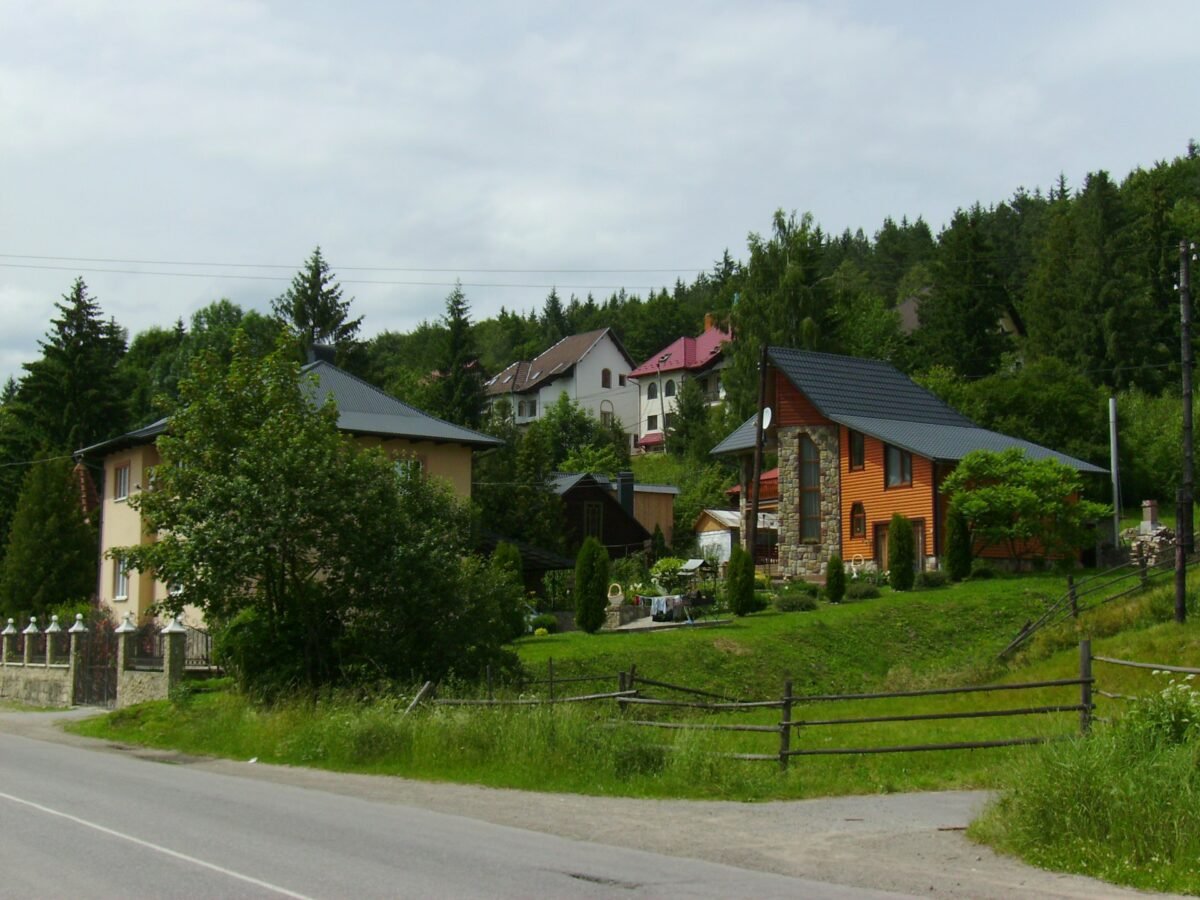

Community-style stays offer something traditional hotels and private rentals often miss.
They sit somewhere in between, blending private space with shared perks.
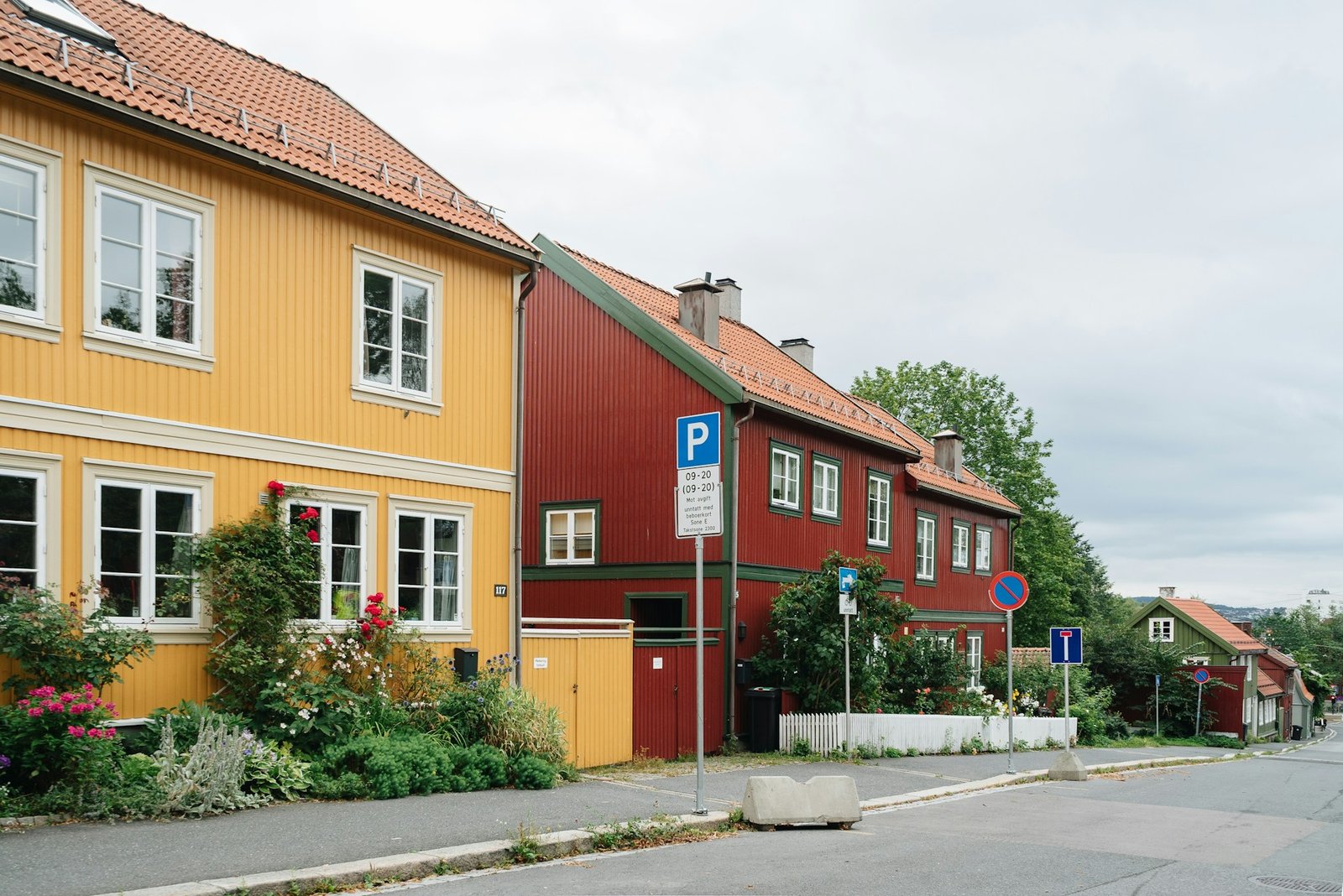
The layout might include pools, grills, clubhouses, walking paths, or even beach access. The vibe usually leans friendly but quiet.
Travelers who thrive in these setups don’t stumble into a good experience. They adjust early, learn the rhythm, and use what’s around them without stepping on toes. A little awareness makes the stay smoother and a lot more enjoyable.
Understand the Flow Before You Unpack
Each community has its own pace. Some feel like mini-resorts with people cycling in and out. Others run quietly, almost like neighborhoods. The best way to settle in is to take a quick walk after arrival. Notice where people gather and where they keep to themselves. Pay attention to signs about pool hours, quiet time, or visitor parking.
Some areas stay busy in the morning, then empty out by sunset. Others come alive around dinner. Learning that flow helps set a tone for the stay. It also helps avoid stepping into someone else’s routine by mistake.
If the unit comes with access to amenities, use them, but don’t hoard them. Community grills, laundry rooms, and lounges work best when everyone treats them like shared space, not extensions of the rental.
Respect Is a Travel Superpower
Most community-style properties mix short-term guests with long-term residents. That means expectations vary. Locals might be getting up early for work while visitors are winding down from sunset drinks. Being a good guest often means blending in.
This doesn’t mean tiptoeing through the week. It just means staying aware. Quiet hours usually exist for a reason. So do parking rules, recycling bins, and guest badges.
Hosts who manage vacation rentals Hilton Head, for instance, often send a welcome guide that outlines property-specific tips. Reading it carefully keeps things smooth. Ignoring it usually means getting a knock on the door or a not-so-subtle reminder from someone on the board.
Shared Doesn’t Mean Compromised
One reason travelers like community-style stays is access. Pools without crowds. Gyms with fresh equipment. Outdoor seating with clean cushions and no food wrappers. These perks usually come with light structure, not stiff rules.
The key is using shared spaces like a local would. Respect the place as much as you would a person. That mindset tends to pay off in unexpected ways. Neighbors become friendly. Maintenance staff offer shortcuts. The trip starts to feel less like a rental and more like a borrowed version of home.
What Makes These Stays Work Better
Community-style properties reward preparation. A few small moves early in the stay go a long way toward making the week feel polished instead of patched together.
Before settling in, make sure to:
- Find out where trash and recycling go and when to put them out
- Locate the nearest parking area for overflow or guests
- Check if the clubhouse, pool, or fitness room requires access codes
- Note where the noise carries, especially if patios or balconies are close together
- Look for posted schedules or cleaning times for shared facilities
- Most of these won’t appear in the booking description but matter once unpacked.
Create a Routine That Feels Local
Part of the charm of a community-style stay is how naturally it supports slow mornings and relaxed evenings. The setup encourages small routines, like a morning coffee on the patio, evening walks through landscaped paths, and midday dips in the pool between errands or activities.
The rhythm makes the stay feel longer, in a good way. It helps create mini rituals that stick. That kind of familiarity is rare on short trips.
Even if the stay is only a few days, slipping into the rhythm of the place can change the entire tone. It moves the trip away from that rush of “seeing everything” toward something calmer. More grounded.
Trust the Setup
The best community stays give you options without overwhelming you. Private space when it’s needed. Shared perks when there’s room to enjoy them. It’s the kind of balance that doesn’t need daily planning. It just needs a little awareness up front and a willingness to ease in.
When guests respect the setup, the property works like it should. No awkward moments. No tension over towels or noise. Just a clean, simple rhythm that helps the stay feel easy.