






Traveling can be exciting, freeing, and full of surprises, but not every surprise is a good one.
Getting arrested far from home is a nightmare scenario few people prepare for, yet it happens more often than many realize.

Whether you are facing a misunderstanding or a serious charge, how you respond in those first moments can make all the difference. Staying calm, acting wisely, and knowing your rights are your best tools when the situation feels out of control.
Here is how to handle an arrest while traveling and protect both your freedom and your future.
Stay Calm and Avoid Escalating the Situation
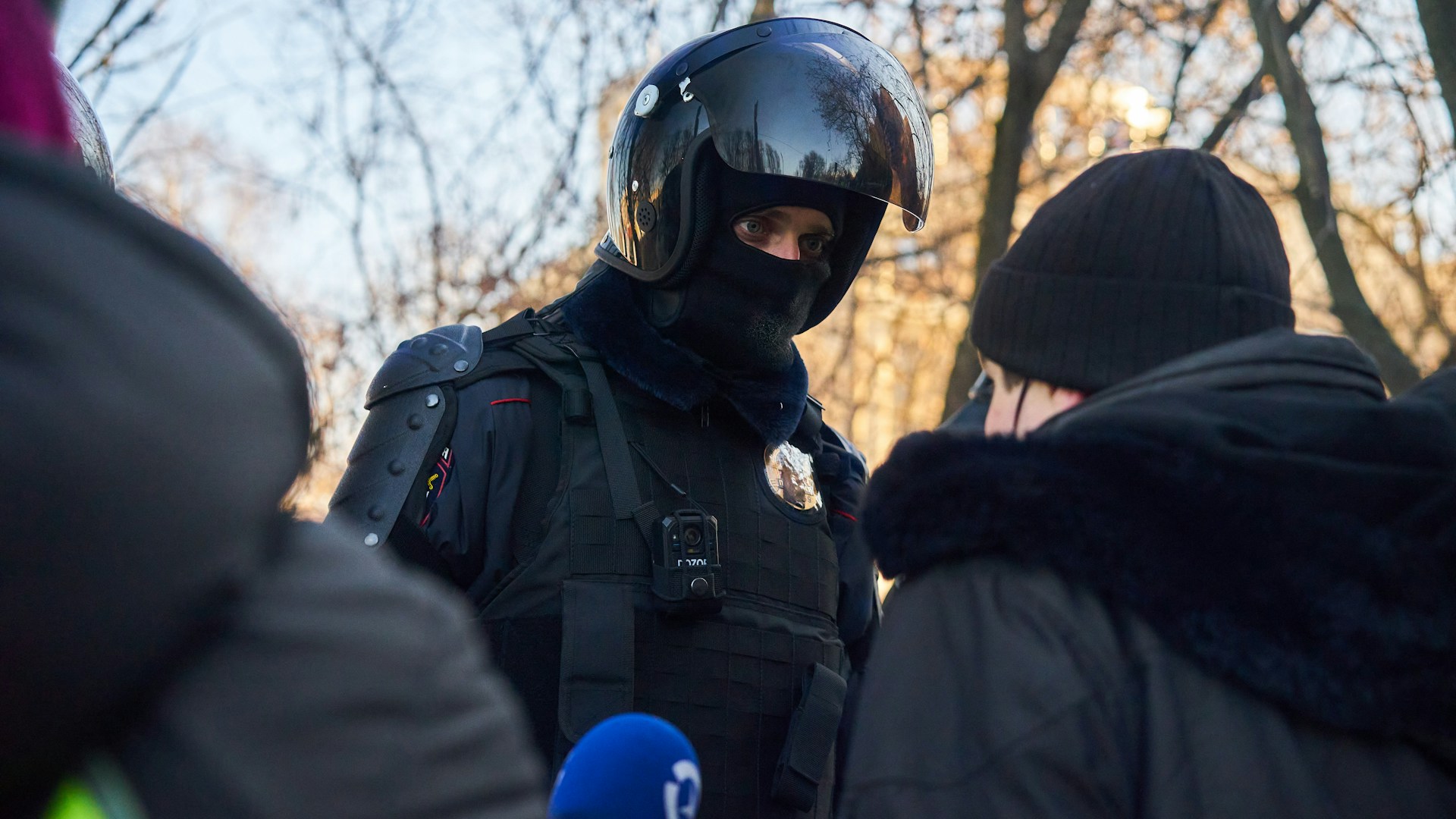
The moment an officer approaches, your reaction matters more than you think. Arguing, resisting, or showing anger can quickly turn a manageable situation into something worse.
Take a deep breath and follow instructions carefully. Staying polite does not mean giving up your rights. It means protecting them by avoiding unnecessary conflict.
Every word, gesture, or movement is noticed. Calm behavior gives you credibility later if you need to explain what happened to a lawyer or a judge.
Assert Your Right to Legal Counsel
The law gives you the right to remain silent and to require an attorney present during questioning. Once you are arrested, it is essential to use that right.
Do not answer detailed questions without a lawyer. You can provide basic identifying information like your name and address, but you should not discuss the incident or admit fault.
When you clearly request legal counsel, the police must stop interrogating you until your attorney is present. This single action can prevent you from saying something that could be misinterpreted or used against you later.
Contact a Local Attorney Immediately
If you are arrested while away from home, you need legal help from someone who understands the local courts, procedures, and law enforcement. A local attorney can respond quickly and guide you through what comes next.
For example, if the incident occurs near Houston or Galveston, you would want to protect your rights with a Friendswood lawyer familiar with nearby jurisdictions. Their knowledge of local rules and prosecutors can make a major difference in how your case unfolds.
Your lawyer back home can still coordinate with local counsel. Together, they ensure your defense remains consistent and focused from start to finish.
Document All Relevant Details of the Arrest
Once you are safe and able, write down everything you remember about the arrest. Details such as what officers said, what time events occurred, and whether your rights were read can be important later.
Whenever possible, collect contact information from any witnesses who saw what happened. Their testimony can provide context or support your defense if the situation is contested.
Keeping your own record protects you from inaccurate reports or misunderstandings. It also helps your lawyer identify inconsistencies or procedural mistakes that may work in your favor.
Secure and Manage Your Travel Plans
An arrest can derail your itinerary, but you still need to manage practical matters like flights, accommodations, or family waiting elsewhere. Inform someone you trust about what happened so they can help adjust your plans.
In case your passport or travel documents were confiscated, your lawyer can work on recovering them or arranging alternatives. For international travelers, contacting your country’s embassy or consulate is essential.
Try to keep all travel receipts and correspondence. These may be useful later for documentation or reimbursement if your plans were disrupted because of the incident.
Avoid Posting About the Incident Online
In today’s world, sharing every experience online feels natural, but when you are facing legal trouble, silence is your ally. Anything you post can be used as evidence or misinterpreted by prosecutors, police, or even the public.
Resist the urge to explain your side or defend yourself online. Even an innocent post can undermine your credibility or reveal information your lawyer would rather keep private.
Instead, communicate only with your attorney and trusted family members. A private conversation helps you stay focused on resolving the matter, not feeding public speculation.
Arrange Bail and Plan for Court Dates Across Jurisdictions
Once you are charged, the next step is securing your release. Bail amounts and procedures vary depending on the location and the nature of the charges.
Your lawyer can help arrange bail and explain whether a bondsman is needed. In some cases, they can request a reduction or alternative arrangements if you live far away.
If you must return to face charges in another jurisdiction, make sure you know your court dates and travel requirements. Missing a court appearance can lead to additional charges or arrest warrants.
Final Remarks
An arrest away from home can shake your sense of control, but every decision you make afterward writes the next chapter of your story. Calm and preparation are more powerful than panic.
Do not face it alone. The right attorney can turn uncertainty into direction and help you find a way forward when the road feels unfamiliar.