







Budgeting sounds like a chore, but it doesn’t have to be.
Most people avoid it because they associate it with restrictions and complicated spreadsheets.
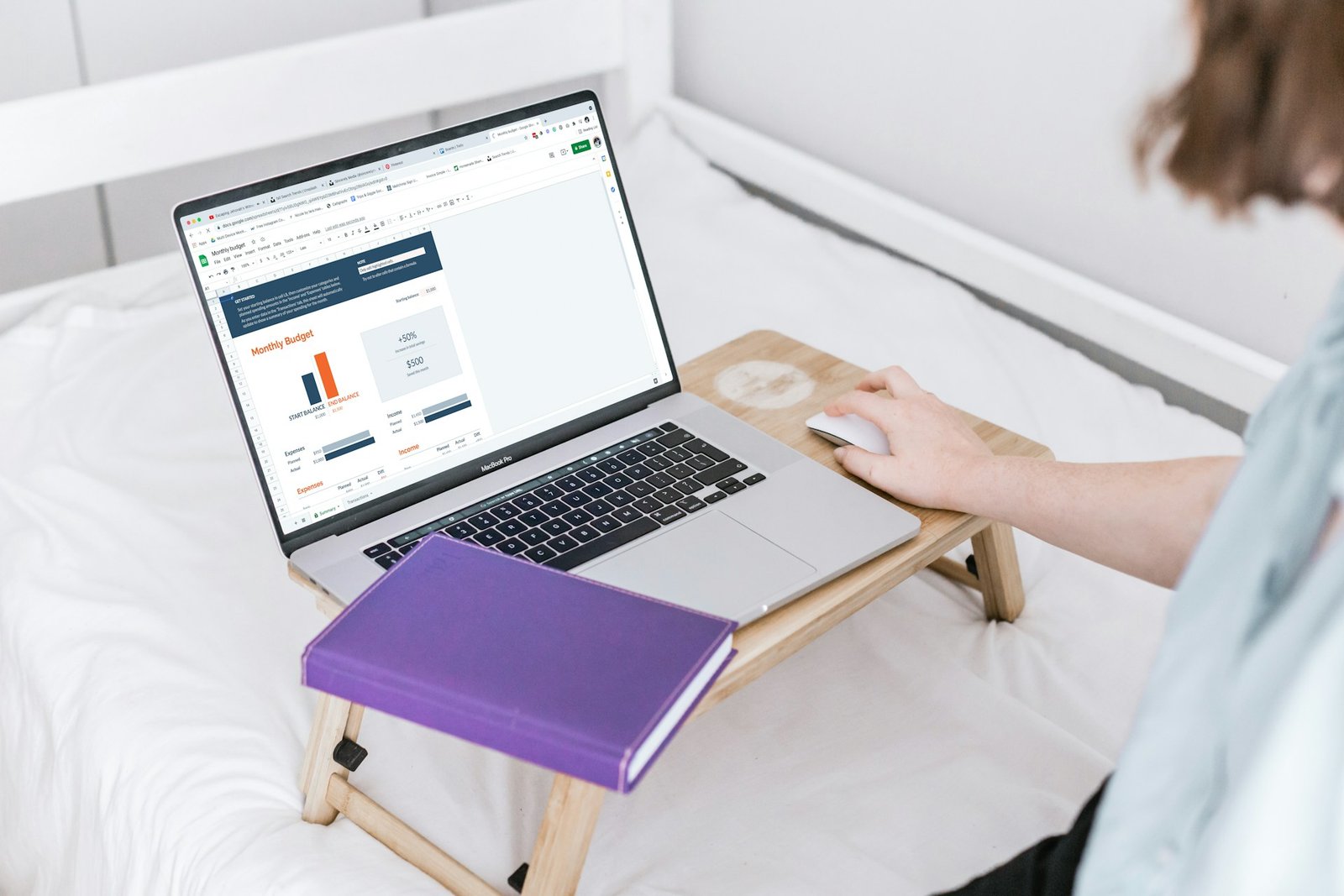
But the truth is, a good budget gives you freedom. It’s not about cutting everything fun from your life—it’s about making sure your money goes where it matters most. The key is to build a budget that feels realistic and flexible, not rigid or punitive. When your budget reflects your lifestyle and goals, it becomes easier to follow. Let’s walk through a simple, practical way to create a budget you’ll actually stick to—and even enjoy managing.
- Understand Why You Need a Budget
Before diving into numbers, take a step back and think about why you need a budget. Maybe you want to get out of debt, save for a big purchase, or stop living paycheck to paycheck. A budget helps you gain control of your finances and feel less stressed about money. It’s not just about tracking every dollar—it’s about giving your money direction. When you understand your motivations, budgeting turns into a purpose-driven habit instead of an obligation. Keep your “why” in mind, and you’ll stay committed even when things feel tough or your goals seem far away.
- Calculate Your Income and Expenses
Start by listing every source of income you receive in a month. This includes your job, side gigs, freelance work, or any passive income. Then, track your fixed expenses—things like rent, utilities, car payments—and your variable ones like groceries, entertainment, or gas. Once you have a full picture, it’s easier to see where your money goes. At this point, you might wonder, how much should you save from each paycheck? A good rule of thumb is 20% of your income, but the right amount depends on your goals. The clearer you are, the easier it becomes to plan effectively.
- Choose a Budgeting Method That Works for You
Not every budgeting system suits every person. Some people like the 50/30/20 method, where 50% of your income goes to needs, 30% to wants, and 20% to savings. Others prefer zero-based budgeting, where you assign every dollar a purpose until nothing is left unallocated. Then there’s envelope budgeting, great for people who overspend easily. The key is to choose a system that matches your habits. If tracking every dollar feels overwhelming, opt for a simpler method. If you like detailed structure, go with a more hands-on approach. Your budget should work for you—not frustrate you.
- Make Room for Irregular Expenses
Irregular expenses are those sneaky costs that pop up and ruin your perfectly planned budget. Think birthdays, car maintenance, medical bills, or holiday spending. These aren’t surprises—you know they’re coming, just not when or how much. The trick is to set aside a small amount each month into a dedicated “irregular expenses” fund. This keeps you from dipping into your emergency savings or going into debt when these costs hit. Add a line in your budget specifically for these items. Over time, you’ll thank yourself for planning ahead, and your budget won’t take a hit when life throws a curveball.
- Prioritize Saving—Even in Small Amounts
Many people assume you need a big income to save money, but that’s not true. Saving even a small portion regularly builds momentum. If you wait until “extra money” shows up, you’ll rarely save anything. Treat saving like a non-negotiable bill. Automate it if you can—set up transfers right after payday. Even $20 a week adds up over time. The point isn’t how much, but how consistently. Prioritizing savings also helps shift your mindset. Instead of thinking about what you can’t afford now, you focus on what you’re building toward. That future-focused thinking makes your budget feel empowering.
- Track Your Spending Weekly
Tracking your spending once a week helps you stay on top of your budget without feeling overwhelmed. Waiting until the end of the month makes it harder to fix issues in time. Use a notebook, spreadsheet, or budgeting app—whatever fits your style. Keep receipts or check your bank statements regularly. This habit shows you where your money is really going. Often, people get surprised by how much they spend on small, daily purchases. Awareness is powerful. Once you see the patterns, it’s easier to adjust. Weekly tracking also builds accountability, which is key to building long-term budgeting discipline.
- Adjust and Tweak Regularly
Budgets aren’t meant to stay the same forever. Life changes—your income, bills, and goals will shift over time. Review your budget monthly and make small tweaks where needed. Maybe your grocery bill increased, or you paid off a debt and have extra room now. Flexibility is crucial. If your budget feels too rigid, you’re more likely to abandon it. Adjusting doesn’t mean you failed—it means you’re staying realistic. Think of your budget as a living document, not a fixed rulebook. Stay open to revising it, and you’ll find it much easier to stick with in the long run.
- Build an Emergency Fund First
Before you focus on investing or large savings goals, create an emergency fund. Life happens—cars break down, jobs change, unexpected bills arrive. An emergency fund gives you a buffer so you don’t need to use credit cards or loans when surprises hit. Start with a small goal like $500 or $1,000. Once that’s done, aim for three to six months of basic expenses. Set this fund in a separate account so it’s not easy to dip into. Even saving a small amount weekly can grow this cushion over time and give you peace of mind financially.
Sticking to a budget isn’t about perfection. It’s about progress, consistency, and being honest with yourself. The more your budget reflects your values, the easier it becomes to follow. You don’t need to track every penny obsessively or cut all joy from your life. You just need a system that makes sense, room for flexibility, and a mindset that sees budgeting as a tool for freedom, not restriction. With time and effort, budgeting becomes second nature. Start small, keep adjusting, and celebrate along the way. Soon, you’ll wonder how you ever managed without a budget that truly works for you.