







In the fast-evolving world, cultural sensitivity also plays a critical role, just like energy.
With the growing need for inclusive athletic wear, there has also been scrutiny over the design of sport hijabs.
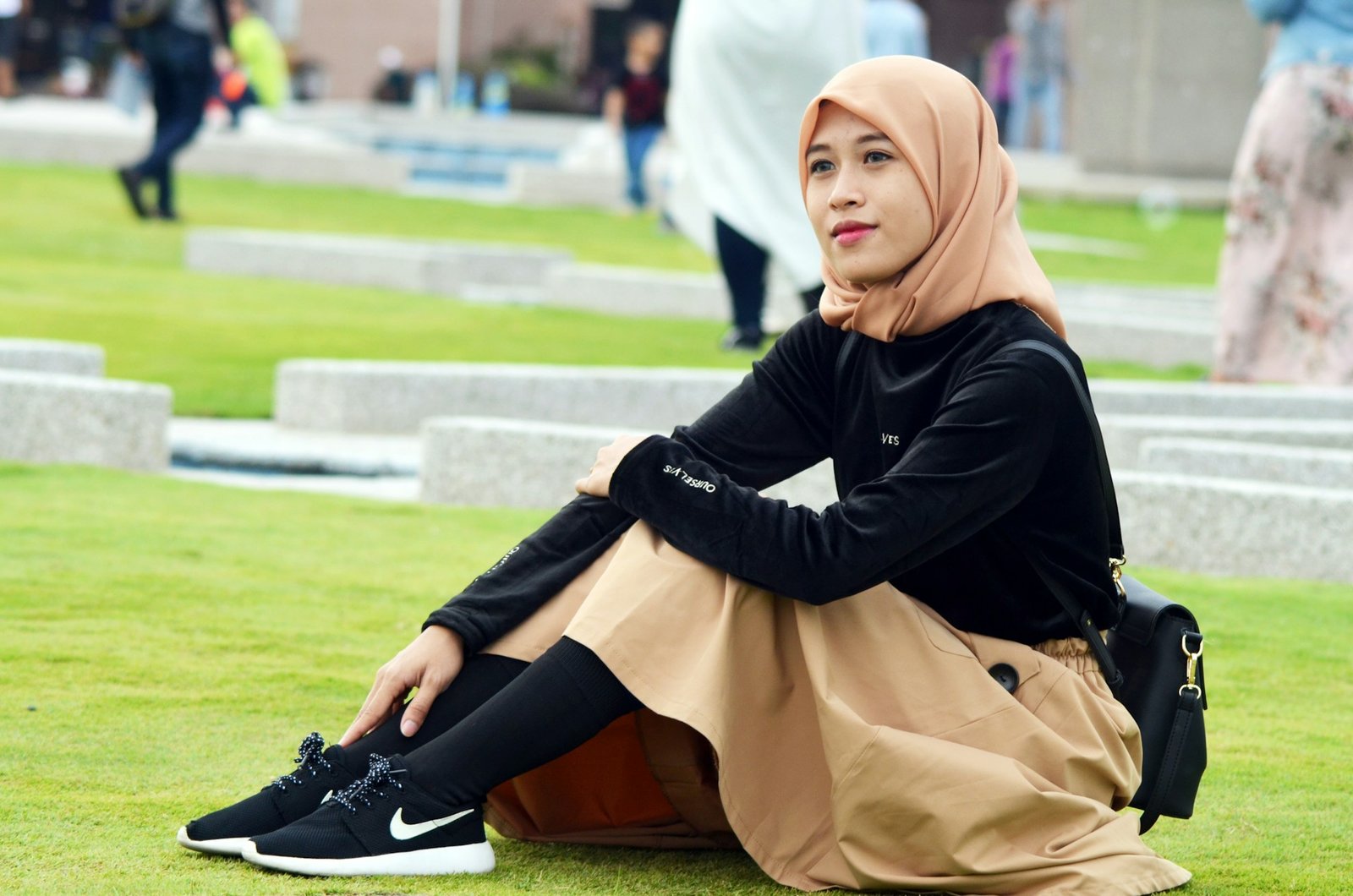
Unfortunately, understanding the cultural nuances is crucial to ensure products are used appropriately, do not conflict with local traditions, and are respected by the intended communities.
Cultural Significance: What It Means
For many women, the hijab is a deeply rooted part of their culture and religion. They represent humility, belief, and the self. These are important aspects that must be considered while designing sports hijabs. Considering the cultural significance of the hijab will help keep designs practical but also respectful and culturally appropriate.
Functional Design Aspects
When you buy sports hijab, it’s crucial to maintain a delicate balance between fulfilling a sport-specific function and incorporating cultural significance. Comfortable yet flexible clothing is a necessity for athletes. Appropriate materials must be breathable, lightweight, and moisture-wicking for the entertainers on the go. Its hijabs also have to remain firmly in place even when jumping and running so that athletes can concentrate on their sport without distraction.
Engage with Communities
By engaging with communities, we learn their tastes and what they require. This kind of practical inclusion, bringing hijab wearers into the design process, is a significant part of how the product is truly tailored to meet their needs. Understanding these elements of culture can help avoid design missteps, and speaking with locals can mediate these missteps.
Ensure Diverse Representation in Design Teams
Diversity enhances creativity and understanding within design teams. A group of people with different backgrounds is able to call on a greater diversity of experience and perspective. It brings forth the generation of varied and more innovative solutions, designs that are much more culturally sensitive and capable of global reach and appeal.
The Customer Experience: Adapting To Regional Differences
Different regions have diverse cultural practices and preferences. Even in some other regions, certain concepts may not be feasible. Thus, the regional adaptability of designs becomes important. Sports hijabs need to be tailored for various markets, taking into account factors like the climate, local customs, and sports popular in that locality, say designers.
Ethical Production Practices
Ethics go beyond design, as the term also means the production process. Brands that ensure fair labor practices and sustainable manufacturing methods show their commitment to integrity and social responsibility. Consumers care about ethical production, and brands that support ethical behavior earn greater trust and respect.
Marketing with Sensitivity
With marketing, the sensitivities of culture and awareness need to be reflected upon. Campaigns with diverse representation and real storytelling connect [better] with people at a higher chance. The key here is making sure those messages do not fall into cliché pitfalls and represent a value set consistent with the lived experience of the target demographic.
Challenges and Opportunities
However, the effort to design sports hijabs that take culture into account also represents struggles. Yet, as challenging as cultural complexity can be, it also provides an opportunity to innovate and extend market access. Accepting these challenges will enable brands to connect with consumers on a global level and spur growth.
The Role of Feedback
When designing, consumer feedback is paramount. Those who wear sports hijabs share what is successful and what can still be improved upon. Designers use feedback to iterate and improve products to match up with the changing needs of their audience.
Conclusion
Understanding of different cultures by designing sports hijabs for the global market Designers can design products that offer functionality as well as respect by understanding cultural significance, engaging within communities, and honoring ethical practices. Accepting all diversities and responding to regional differences improve the design, so we end up with sports hijabs that appeal to many people. While the desire for inclusive sportswear is on the rise, so too is the need for cultural sensitivity, which could be a boon to improving the design’s look to appeal to diverse consumers around the globe.