





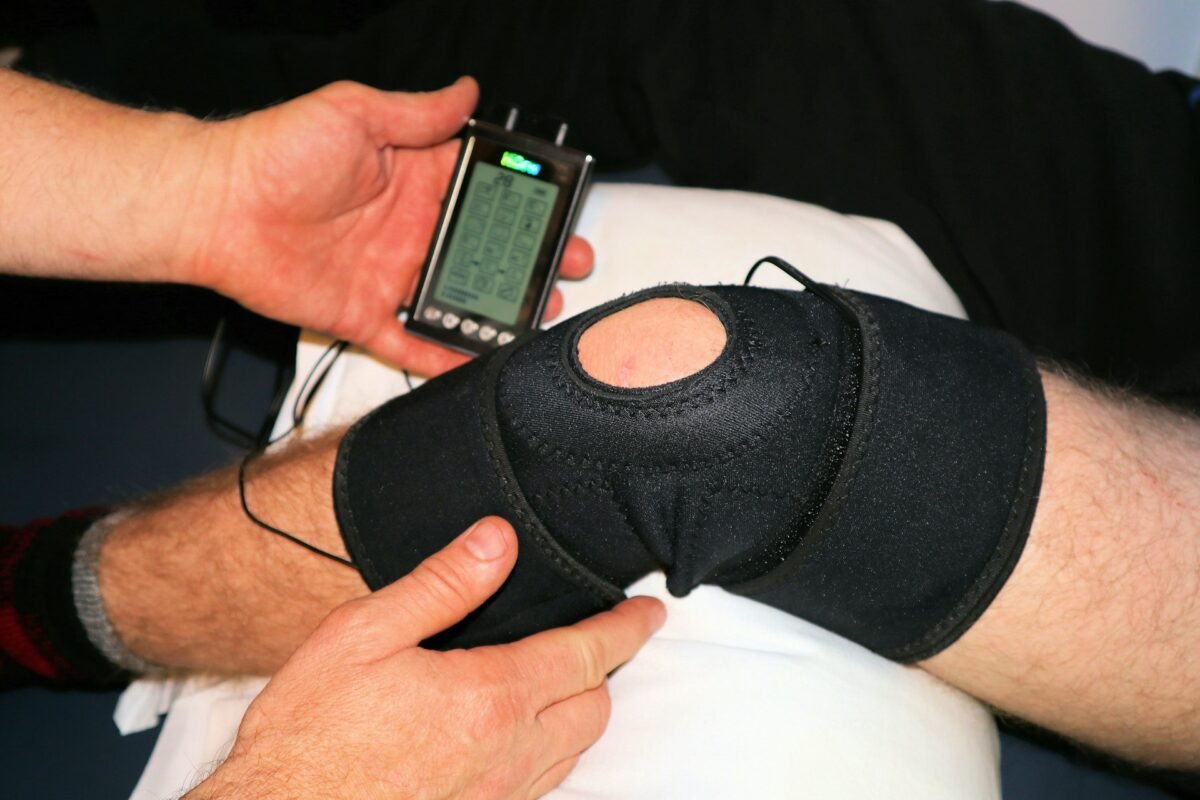

If pain is slowing down your daily routine or workouts, active physiotherapy techniques can be a powerful way to regain smooth, pain-free movement.
Instead of simply masking discomfort, these methods focus on improving strength, flexibility, and control so your body can move better over time.
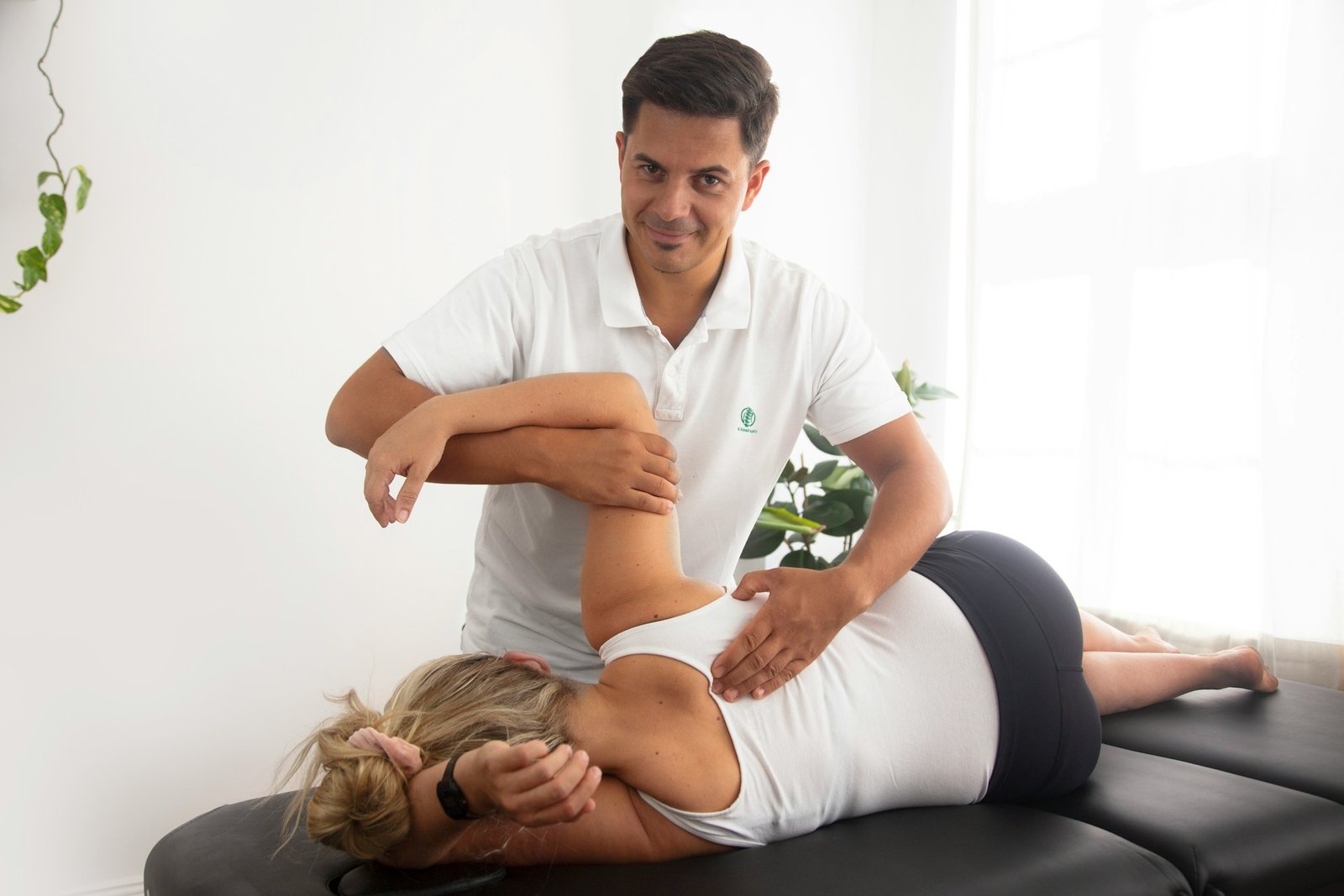
This article will help you get started with active physiotherapy and experience relief that lasts.
1. Understand Your Pain and Its Source
Before diving into any exercises or treatments, it’s important to get a clear picture of where the pain is coming from and why it happens. Always remember that active physiotherapy begins with a detailed assessment that looks at muscle imbalances, joint restrictions, and movement patterns. Furthermore, once you understand what’s causing your pain, the therapy can target those specific issues.
2. Focus on Controlled, Pain-Free Movements
Active physiotherapy focuses on moving within a right range rather than pushing through pain. When you perform controlled movements, your body starts relearning proper alignment and muscle activation. This reduces the risk of aggravating the problem and builds confidence in your body’s ability to move well. By staying attentive to how each movement feels, you create a space where healing can take place.
3. Strengthen Key Muscles Around the Problem Area
Take note that pain is linked to weak muscles that fail to support joints properly. Focusing on these muscles improves stability and reduces stress on sensitive tissues. For example, if lower back pain is an issue, strengthening your core and hip muscles can provide much-needed support. As you build strength, movements become smoother and less painful, allowing you to tackle daily activities with greater ease.
4. Improve Flexibility Gradually
ONERO™ classes include active physiotherapy that uses stretching exercises designed to slowly lengthen tight tissues. Unlike static stretching, these stretches are done dynamically, so you move through the stretch in a controlled way. As your flexibility is enhanced, you’ll experience freedom in movement and less strain during activities. This helps your body feel more agile and reduces the chance of injury.
5. Practice Neuromuscular Re-education
Pain can sometimes confuse your brain’s control over muscles and joints, causing poor coordination and movement patterns. Investing in active physiotherapy uses neuromuscular re-education techniques to retrain your nervous system. In addition to that, by restoring normal communication between your brain and muscles, you regain smoother control over your body, which reduces pain and prevents injury.
6. Use Functional Movement Patterns
Instead of isolated exercises that only target one muscle group, active physiotherapy incorporates functional movement patterns that mimic daily activities or sports motions. Additionally, these patterns train your body to work as a coordinated whole. With this practical approach, it helps you carry over gains made in therapy directly into your everyday life, making pain-free movement more natural.
7. Stay Consistent and Patient
Don’t forget that progress may feel slow at first, especially if pain has been present for a long time. However, sticking to your therapy routine and making gradual improvements adds up over time. Each session builds on the last, strengthening muscles, improving flexibility, and refining movement control. Remember that healing is a journey rather than a quick fix, and steady effort is key to long-lasting results.
8. Combine Active Techniques with Proper Rest
While active physiotherapy encourages movement, it also respects the need for rest and recovery. If you are pushing yourself too hard or skipping rest days, it can lead to setbacks and increased pain. On top of that, balancing exercise with periods of rest helps your body repair tissues and avoid fatigue. Moreover, make sure that you listen to your body’s signals and adjust your activity level accordingly.
Retrain Your Body With Expert Physiotherapy!
Using active physiotherapy techniques can change how you move and feel by focusing on controlled movements and retraining coordination. That is the reason having a steady effort, moving without pain becomes possible, giving you more ease and confidence in daily life. However, if pain still limits your activities, working with a qualified physiotherapist can provide a personalized program just for you.