







Partial Hospitalization Programs (PHPs) provide a level of structured care for individuals who need intensive care but do not require a full hospital stay.
Such programs offer therapy in the continuum of care while still allowing participants to keep some regular parts of their day-to-day lives.
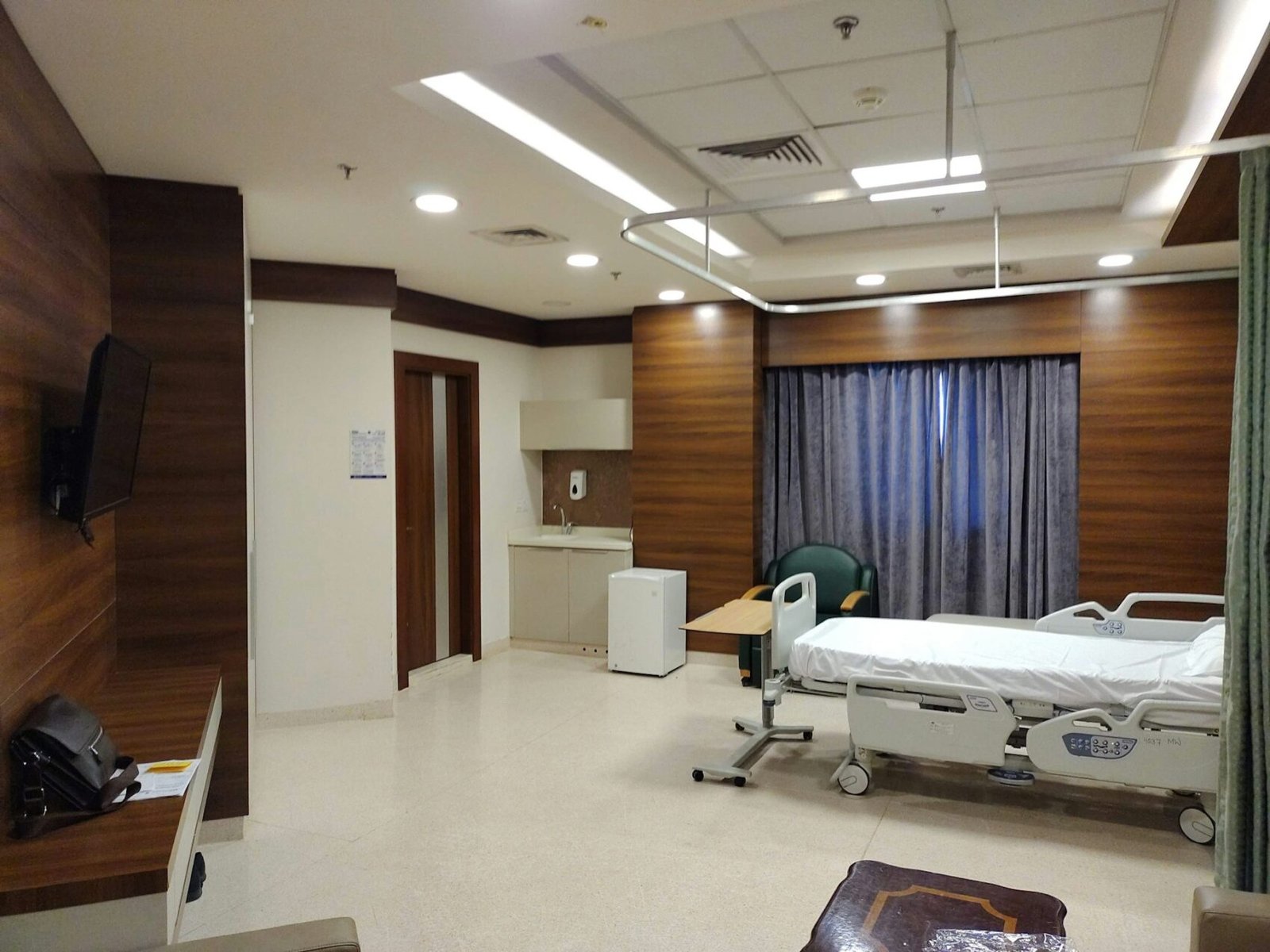
This flexibility makes PHP an ideal choice for many people seeking treatment.
Here are some key facts about partial hospitalization programs that can help you and those you love when deciding to seek care for mental health or addiction. Understanding these programs can make the treatment journey less overwhelming. Let’s explore what a typical day looks like and what you can expect from this level of care.
Introduction to Partial Hospitalization Programs
PHPs are a bridge between inpatient and outpatient treatment. They are intended for people who need more assistance than outpatient treatment can provide but do not need 24-hour care. They usually provide a variety of therapeutic activities and interventions to treat substance use and mental illness.
Daily Structure and Schedule
People in PHPs typically follow a daily schedule. This plan frequently consists of multiple hours of therapy and activities throughout the day, usually between morning and late afternoon. Having a consistent routine gives a level of stability that can be essential for recovery.
The sessions include both group and individual therapy. Groups provide peer support and shared experience, while individual therapy allows for customized attention. Together, the combination allows participants to receive comprehensive care.
Therapeutic Interventions
PHPs utilize a variety of therapeutic techniques for specific problems. Cognitive-behavioral therapy (CBT) is used to address negative thinking habits. Additionally, Dialectical Behavior Therapy (DBT) may also be incorporated to help learn coping skills and emotional regulation.
A vital cornerstone of treatment often includes family therapy, which invites family members to take part in the recovery journey. This can help to foster understanding and support for the participant on their path to recovery.
Creative channels for expression may also be included, such as art or music therapy. These activities allow for alternative means of addressing feelings, experiences, and emotions. They can serve as an adjunct to traditional talk therapy.
Educational Components
Education is a cornerstone of PHPs, especially when it comes to mental health and addiction. Participants learn about their conditions as well as triggers and strategies for managing symptoms. The curriculum also includes helpful tools like life skills training—such as stress management or communication skills—to help in the long run.
Workshops or seminars may address topics like nutrition and exercise, emphasizing the importance of a healthy lifestyle in promoting mental health. PHPs equip individuals with the necessary tools to take charge of their own recovery.
Medication Management
For some, medication management is an important part of their treatment. Healthcare providers in PHPs observe and manage medications, making changes when necessary to ensure they are effective and safe. According to the National Institute of Mental Health, medication combined with therapy is often the most effective approach for treating many mental health conditions. Psychiatrists or medical staff who monitor them regularly help address any concerns or possible side effects.
This reassures participants that PHPs are meeting their medical needs while also supplementing treatment. It also supports the balance needed to recover properly.
Social Support and Peer Connections
PHPs particularly stress the importance of a support network, allowing people to meet others who are experiencing the same challenges. This creates a sense of community that can help in not feeling alone by sharing experiences and tips.
These connections often extend beyond the program, offering lifelong support and encouragement. Relationships with peers gained during PHPs can be beneficial in maintaining sobriety post-treatment.
Transition Planning and Aftercare
Transition planning becomes important as people move toward the end of their time in a PHP. Having an aftercare plan is instrumental to promoting success and making sure one continues their progress. This procedure can be through continued therapy, support groups, or outpatient programs.
Treatment professionals collaborate with participants to anticipate obstacles they may face and approaches to overcome these hurdles. The goal is a structured transition toward full independence, thereby reducing the chance of relapse.
Conclusion
Partial Hospitalization Programs provide an intermediate treatment option that reflects a balance between intensive therapeutic engagement and the flexibility of outpatient care. By learning the components of PHPs and how they operate, you, or someone you love, can better understand what these programs offer in the healing process. They provide participants with the necessary tools and support to maintain long-term wellness, making these programs an important treatment option for those seeking effective mental health and addiction treatment.