





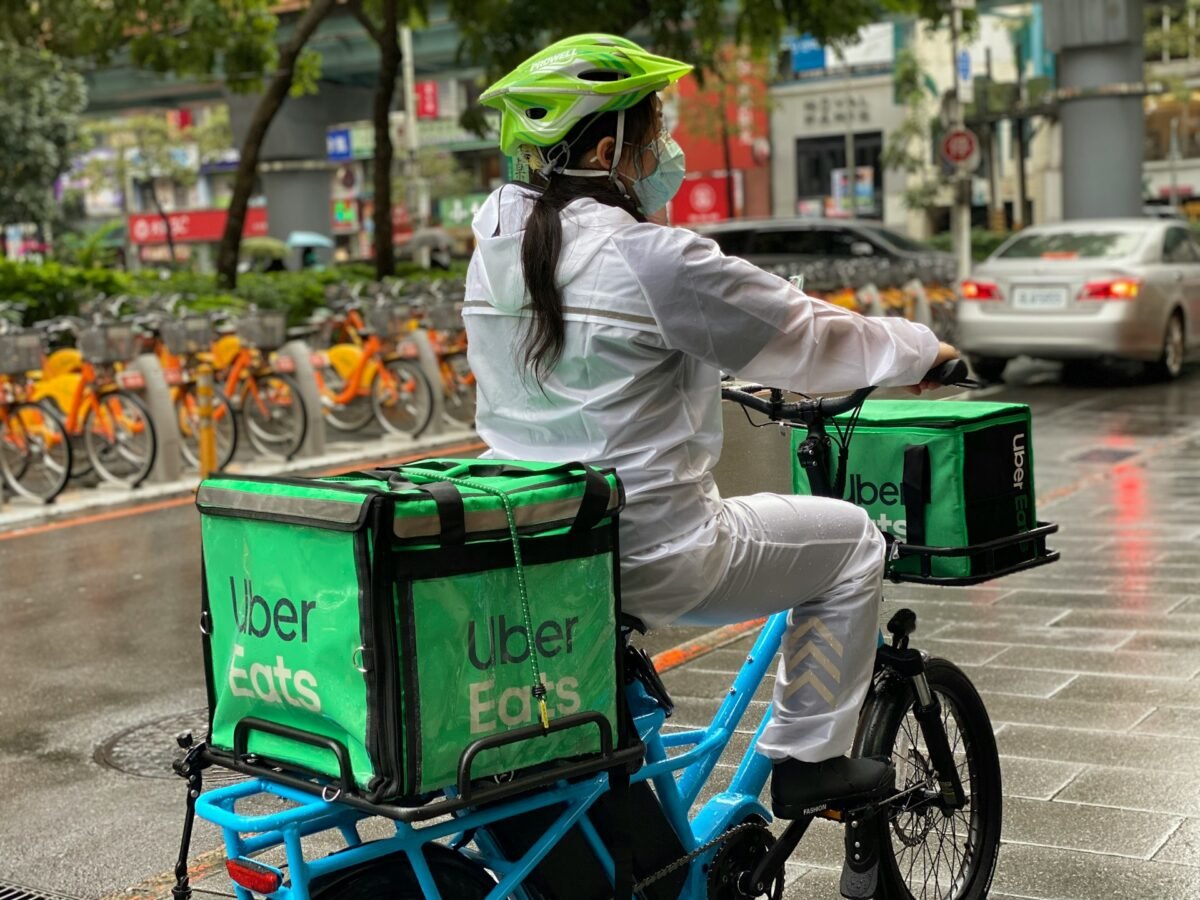

Ordering takeout has never been easier.
With delivery services like Uber Eats, DoorDash, and Grubhub everywhere, hot meals come straight to your door.
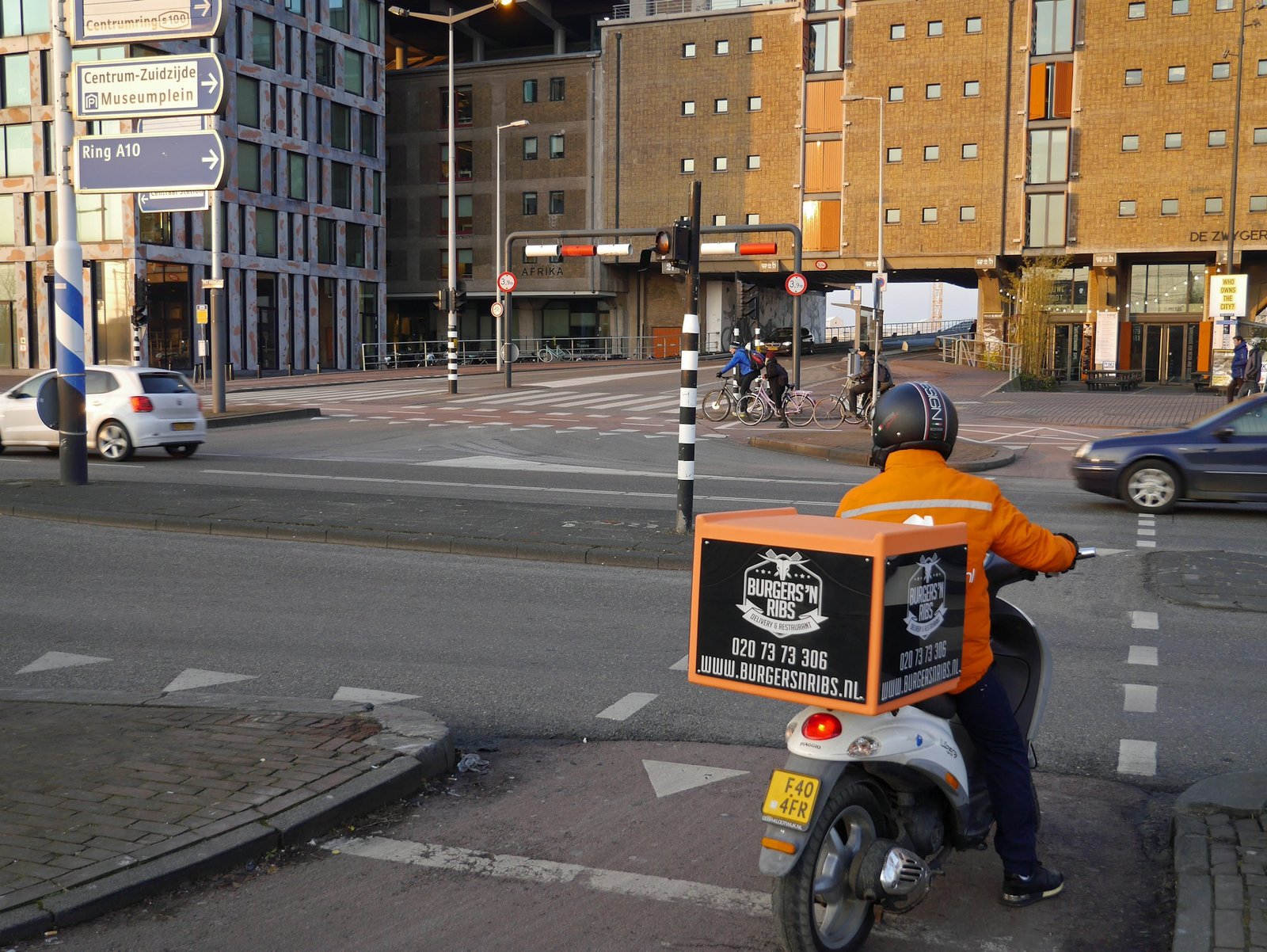
However, with more delivery drivers rushing through neighborhoods and city streets, the chances of getting into a car accident involving one of them are going up.
If you’ve been hit by a food delivery driver—whether you were walking, biking, or behind the wheel—it’s normal to feel shaken. You might be wondering, What to do if you’re hit by a food delivery driver? Who’s responsible? Should I contact my insurance? What now?
Here are the steps you need to take right after the accident, and what to expect next.
Step 1: Stay Calm and Prioritize Safety
The first moments after an accident can be a blur. If you’re able, move to a safe place. Check yourself for injuries. Don’t try to stand or walk if you feel dizzy, in pain, or disoriented.
If you’re injured, call 911. Getting emergency help should always come first.
Step 2: Call the Police
Even if the accident seems minor, you need an official police report. To safeguard your rights, particularly if you pursue a claim, it’s crucial to provide your account of events to the police when they arrive. Ensure your statement is clear, truthful, and factual.
At the scene, refrain from making statements such as “I’m fine” or “It was my fault,” as these can potentially be used against you in the future.
Step 3: Gather Information
Here’s where you turn into a detective. The more details you collect now, the better off you’ll be later.
Take note of:
- The delivery driver’s name and contact info
- The delivery company (Uber Eats, DoorDash, Grubhub)
- Vehicle make, model, and license plate
- Insurance coverage details from the driver
- Contact info from any witnesses nearby
Also, take pictures. Snapshots of your injuries, vehicle damage, and any signage or signals.
This documentation will help establish how the food delivery accident happened. Was the driver distracted? Speeding? Making an illegal turn? Proving fault will be key to getting compensation for your injuries, medical bills, or time off work.
Step 4: Get Medical Help ASAP
Even if you don’t feel hurt at first, go see a doctor. Some injuries don’t show symptoms right away, like concussions or soft tissue injuries. A medical report creates a paper trail that connects your injuries.
Plus, if you delay treatment, insurance companies may argue that your injuries weren’t that serious.
Step 5: Be Careful Talking to Insurance Companies
The delivery driver’s insurer—or even the delivery company—may contact you soon after the accident. They’ll probably sound friendly, maybe even sympathetic. But remember: their job is to protect their money, not your recovery.
They might offer you a quick settlement. Don’t accept anything or sign papers without speaking to a lawyer first. Initial offers usually cover long-term medical bills or emotional stress.
You may also need to notify your own personal auto insurance provider about the crash, especially if the delivery driver is uninsured. Your policy might include uninsured motorist coverage, which could help with medical expenses or car repairs.
Step 6: Figure Out Who’s Legally Responsible
Here’s where it gets complicated. When you’re hit by a delivery driver, the question becomes: Who’s paying for this?
That depends on:
- Whether the driver was actively delivering food at the time
- The delivery platform’s insurance policy
- The driver’s own personal auto insurance
- Whether the driver is considered a contractor or an employee
Most food delivery companies classify drivers as independent. That means the company may try to dodge responsibility unless the driver was actively working.
Luckily, some platforms do offer accident coverage, but only during specific times. For example, coverage might only apply if the driver picks up and drops off food.
Because of all these gray areas, many people in your situation choose to consult with a personal injury attorney. They can figure out where to direct your insurance claims and help you get the compensation you’re owed.
Step 7: Consider Filing a Claim
Once you’ve received medical care and spoken to an attorney, it may be time to file a claim. Depending on your situation, this could involve:
- Filing a claim against the driver’s personal insurance
- Filing a claim through the delivery company’s policy
- Pursuing a personal injury lawsuit if needed
Compensation could cover:
- Medical bills (past and future)
- Lost wages
- Pain and suffering
- Property damage
Every accident is different, so talk through your options with legal help.
Why Food Delivery Accidents Are on the Rise
Food delivery has exploded in recent years. But with more drivers racing to meet deadlines, safety often takes a backseat. Many drivers are distracted by apps, GPS, and notifications. They’re navigating unfamiliar neighborhoods, often during high-traffic times.
It’s a recipe for disaster—and unfortunately, pedestrians and other drivers often pay the price.
That’s why it’s important to treat a food delivery accident just as seriously as any other traffic collision. These crashes might seem simple. But they mostly involve multiple layers: apps, third-party contracts, and complicated insurance structures.
Final Thoughts: Know Your Rights
Getting hit by a delivery driver can feel like a fluke, but it’s more common than you think. Whether you were walking, biking, or in your car, you deserve to be compensated if the delivery driver was at fault.
The aftermath of an accident can be overwhelming. You don’t have to navigate the process of seeking compensation alone. Legal help is available to guide you and fight for your rightful compensation.