





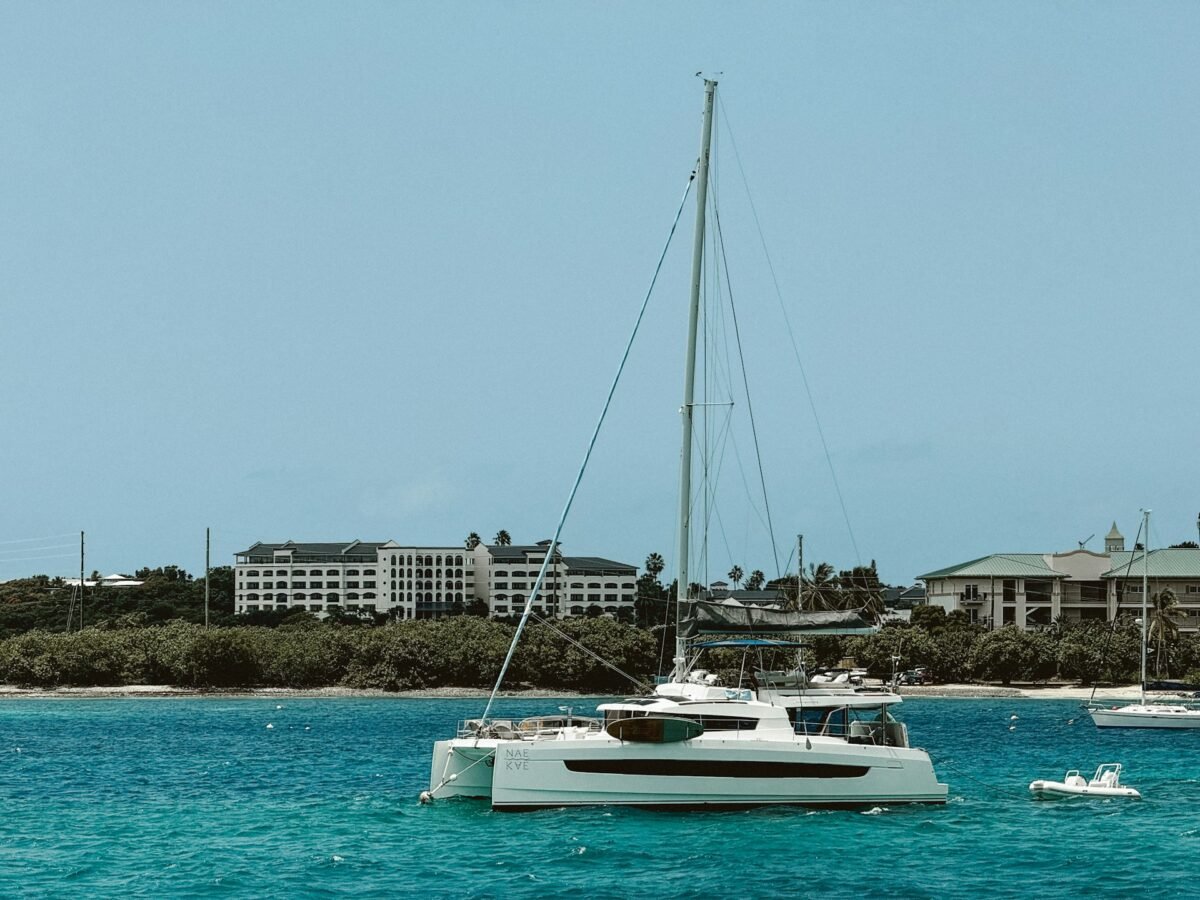

St. Thomas records a high rate of repeat visitors.
Recent traveler feedback highlights transparent jewelry certifications, direct flights from major U.S. hubs, licensed taxis with fixed rates, and marine operators that follow conservation rules.

Service documentation and professional credentials appear regularly in purchases and post-sale records.
For travelers who prefer predictable quality and authentic local offerings, these practical features matter now: verifiable gem documentation and in-house aftercare, clear transport options and ferry timetables, restaurants sourcing seafood from certified fishers, protected trails and reef-friendly operators, and curated cultural programs and preserved sites. Those elements create reliable choices for planning a return visit and set clear expectations for what visitors can expect on arrival. Local reports provide data that invite closer review.
Jewelry Shopping That Builds Trust
Clear provenance and lab-backed reports support long-term confidence in local St Thomas jewelry stores. Shops routinely present diamond and gemstone certificates from accredited labs such as GIA and IGI so buyers can authenticate cuts, clarity grades and origins. Listings often include certificate numbers buyers can verify before purchase.
Many retailers perform resizing and polishing on-site with trained bench jewelers and provide written service documentation that outlines maintenance schedules and warranty terms. Gemologists on staff often hold credentials from professional bodies like the American Gem Society or the Gemological Institute of America, and buyers are advised to ask to review credentials and post-sale paperwork.
Transportation Systems That Maintain Reliability
Cyril E. King Airport provides regular nonstop connections to several U.S. cities, reducing travel hassles and transit time for visitors. A licensed taxi network operates from the airport and downtown, with posted rate charts at stands and online so riders avoid haggling and unclear fares.
Rental companies on the island come from verified providers that offer documented insurance choices and local coverage options, so renters can compare policies before signing. Ferry timetables are posted online and at harbor assistance desks for quick reference, which helps with timed transfers to neighboring islands; check schedules and confirm bookings ahead to keep plans predictable.
Culinary Options That Sustain Quality
Restaurants on the island publish supplier credentials for seafood and produce, confirming compliance with freshness and conservation standards. Inspection scores and kitchen layout transparency document safety practices. Ingredient lists specify origin and seasonality, providing verifiable traceability that supports consistent culinary quality across venues serving regional and international dishes.
Menus pair local rums, regional wines, and fruit-based beverages through documented selection methods that maintain balance between flavor and composition. Staff training emphasizes factual communication about sourcing and preparation, replacing subjective recommendations with clear technical information. This standardization improves menu accuracy, minimizes misinformation, and sustains reliable dining experiences for guests and auditors alike.
Environmental Stewardship That Preserves Access
Conservation programs on the island protect beaches, reefs and trails through operating standards and monitoring. Snorkeling and diving operators follow compliance guidelines that limit anchor damage, control group sizes, require briefings and report reef conditions to authorities. National and local parks maintain designated trails with erosion barriers, posted regulations and staff inspections.
Many accommodations run recycling programs that reduce single-use plastic waste and make participation simple with labeled bins and guidance. Hotels with efficient water systems use low-flow fixtures, irrigation controls and greywater reuse where permitted, and some publish usage figures. Ask about these features at booking to help preserve the island for future visits.
Cultural Continuity That Enriches Every Visit
Cultural heritage initiatives maintain active preservation schedules for historic structures such as Fort Christian, supported by controlled-environment monitoring and certified restoration methods. Museum displays follow rotational curation cycles with documented artifact provenance and referenced archival records that establish authenticity, context, and educational alignment for cultural institutions.
Accredited craft workshops and regulated market programs operate under verified vendor frameworks that confirm fair-trade compliance. Scheduled music and performance events adhere to standardized permit and capacity systems that support crowd control, accessibility, and program quality benchmarks. These combined frameworks provide measurable cultural continuity and consistent operational oversight across heritage and community venues.
Verified certifications, scheduled operations, and transparent documentation across jewelry retail, transportation, dining, conservation, and cultural sectors sustain consistent visitor confidence. Laboratory reports, rate charts, inspection records, and environmental data confirm operational accountability and measurable quality. Continuous monitoring and credential tracking maintain predictable standards for repeat visitors and regulatory oversight. Coordinated scheduling across flights, ferries, and events enables efficient planning and dependable service access. These integrated systems position the island as a model of data-verified, performance-driven tourism management built on reliability, compliance, and sustainable regional development.