





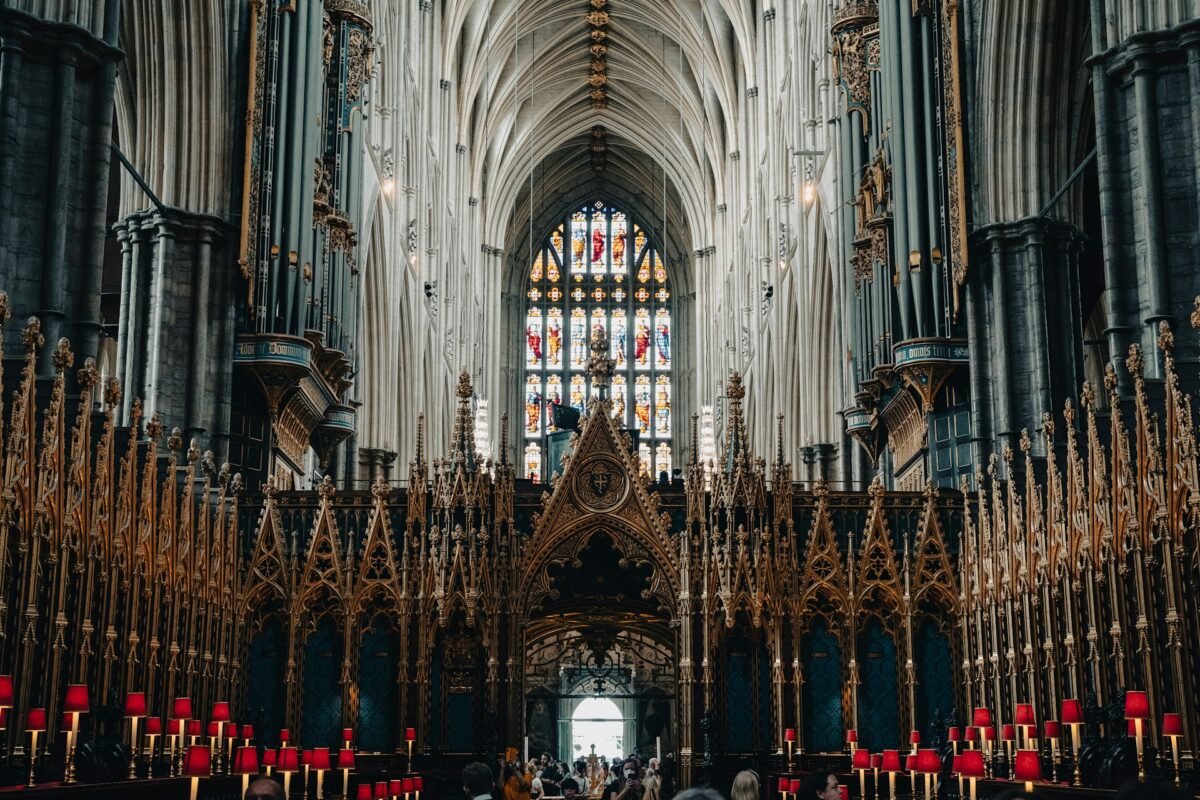

Westminster Abbey draws steady crowds from morning onwards.
People queue with tickets in hand, aware they’re about to enter one of Britain’s most significant historic sites.
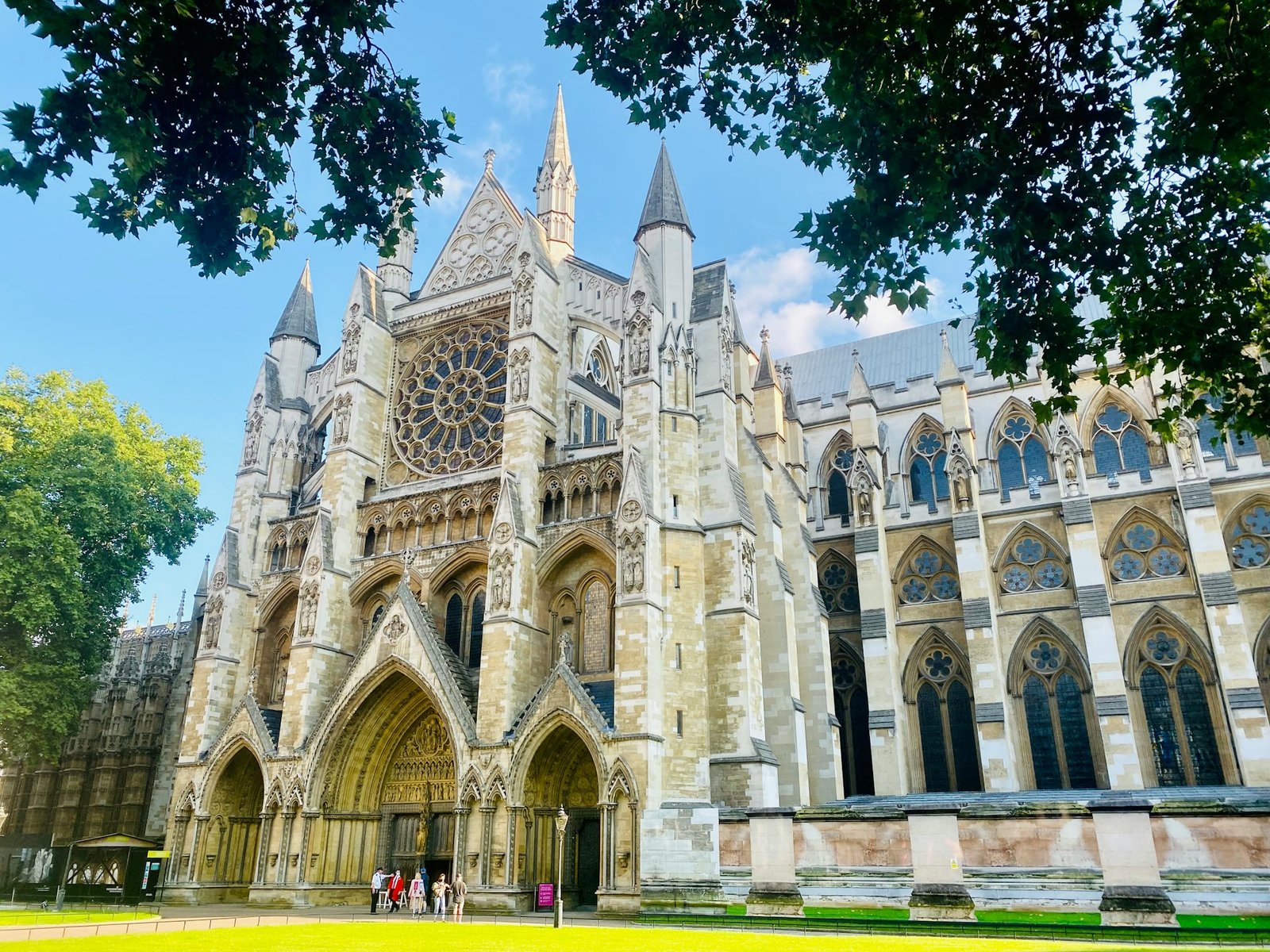
Expectations run high. Yet many visitors leave feeling they have skimmed the surface rather than truly connected with what they’ve seen.
That reaction is understandable. The Abbey contains centuries of coronations, royal burials, political drama and cultural history under one roof. Without context, those layers blur together. Names and dates appear everywhere, yet their meaning can feel distant.
A more thoughtful approach changes the tone of your visit. When you slow the pace and give structure to your time inside, details start to hold weight. You begin to notice patterns. Stories unfold more clearly.
Why Most Visits Feel Rushed
You may find yourself moving with the crowd almost automatically. The flow carries you from nave to chapel, from tomb to memorial, often faster than you intended. It’s easy to focus on ticking off highlights instead of absorbing them.
That pace often leaves questions unanswered. Why was one monarch buried in a particular chapel? What made Poets’ Corner such a powerful statement about national identity? Without guidance, you’re left piecing together fragments.
Many travellers now look into Westminster Abbey guided tours because they want structure rather than scattered facts. A planned route helps you see how events connect across centuries. You hear why one coronation mattered more than another. You understand how architecture reflects political shifts.
Slow the Pace Before You Arrive
Preparation shapes the visit more than you might expect. Booking an early slot can reduce pressure. Allowing more than an hour inside prevents that constant glance at the clock. If you’re travelling with others, agree on what interests you most so your focus feels shared rather than rushed.
Even small adjustments help. Pause in each space for longer than feels natural at first. Let your eyes move upward toward the vaulted ceiling. Read inscriptions fully instead of skimming. Those extra moments build clarity.
The Difference a Knowledgeable Guide Makes
Information alone rarely transforms a visit. Interpretation does. When someone explains context in real time, you start to see the purpose behind what’s in front of you.
Many visitors opt for a professionally led Westminster Abbey guided tour because it allows them to ask questions as they arise. That interaction changes the atmosphere. You’re no longer absorbing isolated details. You’re part of a conversation about monarchy, faith and national change.
A well-organised Westminster Abbey tour tends to follow a thoughtful sequence. Guides position you so you can clearly see important features. They explain how the Coronation Chair has endured across generations. They highlight memorials you might otherwise walk past without a second glance.
Ask the Right Questions
Choosing a guide deserves careful thought. Look at group size first. Smaller groups create space for discussion. Check how long the experience lasts and what themes it covers. Some focus strongly on the royal ceremony. Others give greater attention to writers, scientists and political figures buried there.
During the visit, don’t hesitate to speak up. If something sparks curiosity, ask about it. That exchange often leads to the most memorable insights. When history feels conversational, it stays with you long after you leave.
When a More Personal Approach Works Best
At times, you may want greater flexibility than a standard group format provides. Families often need time to pause. History enthusiasts sometimes want deeper detail on a specific era.
A Westminster Abbey private tour offers that breathing space. The pace adjusts to your interests. You can linger at the tomb of Elizabeth I or focus longer on Gothic architectural details without feeling you’re holding others back.
Plan Around Practical Realities
Timing matters more than many people realise. Morning visits tend to feel calmer, especially outside peak travel periods. Checking the Abbey’s service schedule prevents disappointment, since access can shift on certain days.
Cost plays a role as well. Private options require a larger investment. Still, if the Abbey stands high on your London list, that added depth can justify the expense. Think about how much insight matters to you compared with simply walking through.
Guide credentials are worth reviewing. Many experienced guides hold formal qualifications in British history. That background often shows in the way they explain complex events clearly and confidently.
Seeing Westminster as Part of a Wider Cultural Day
Your visit doesn’t need to stand alone. Parliament sits just steps away. St James’s Park offers open space to clear your head afterwards. Whitehall stretches out with layers of political history waiting to be explored.
Treating the Abbey as part of a broader day creates balance. Schedule it earlier, when your energy is at its peak. Follow with a slower walk outdoors. Let the information settle before moving on.
Build a Day That Feels Coherent
Transport links around Westminster make planning straightforward. Underground stations and bus routes connect you easily to other parts of London. Keep travel time realistic so you’re not rushing between stops.
The weather can influence comfort. Rain drives more visitors indoors, which increases crowd density. Clear skies make a post-visit park walk especially rewarding. Seasonal opening hours can vary, so checking details shortly before arrival helps you avoid last-minute surprises.
Spacing out your itinerary helps you maintain focus. When you avoid cramming too much into one afternoon, you retain far more of what you’ve seen and heard.
Changing How You Approach It
Westminster Abbey holds depth that reveals itself gradually. Quick visits skim the surface. A more deliberate plan allows you to absorb meaning rather than fragments.
Think carefully about what you want from your time there. If clarity and context matter, guided formats can provide structure. If flexibility is more important, a tailored option may suit you better. If you prefer independent exploration, allow extra time and prepare in advance.
The building has stood at the centre of national life for centuries. Give it the attention it deserves. When you adjust your approach, your experience shifts from hurried observation to genuine understanding.