




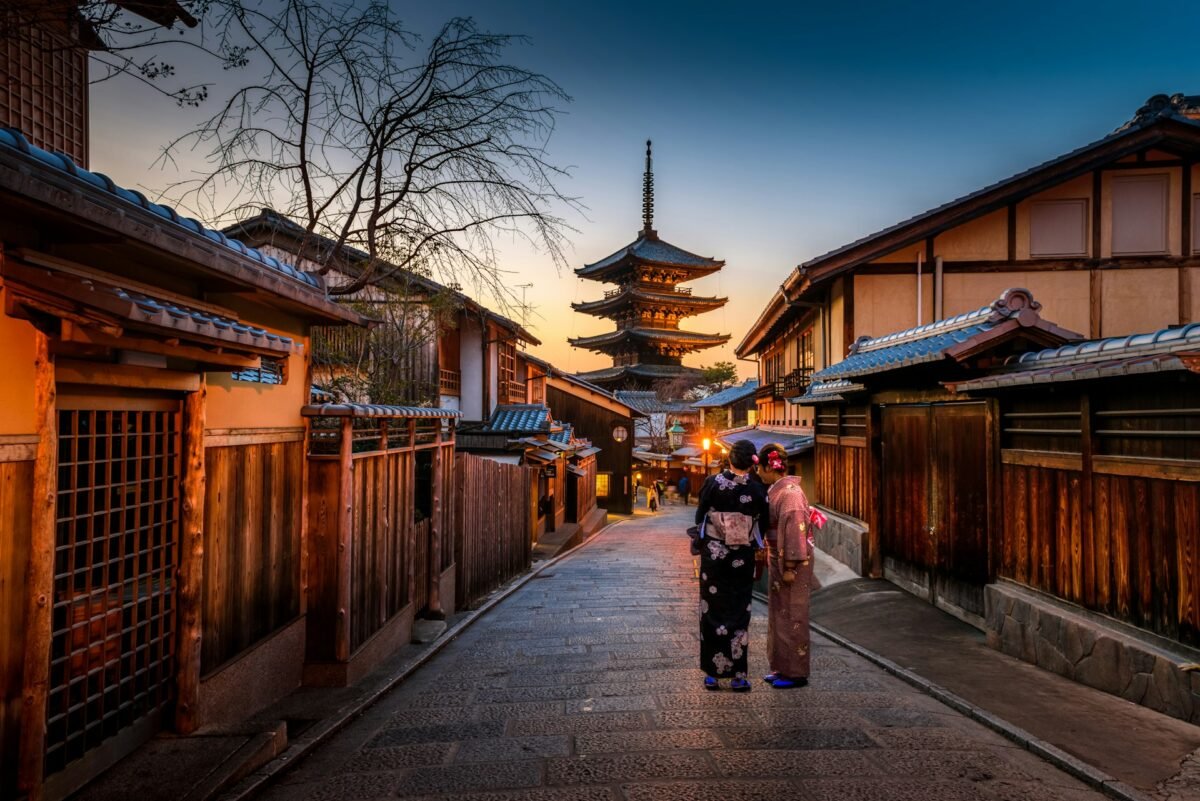

Japan’s ancient capital, Kyoto, is known for its lantern-lit lanes and wooden machiya houses, but some of its most spiritual treasures lie far above the city streets.
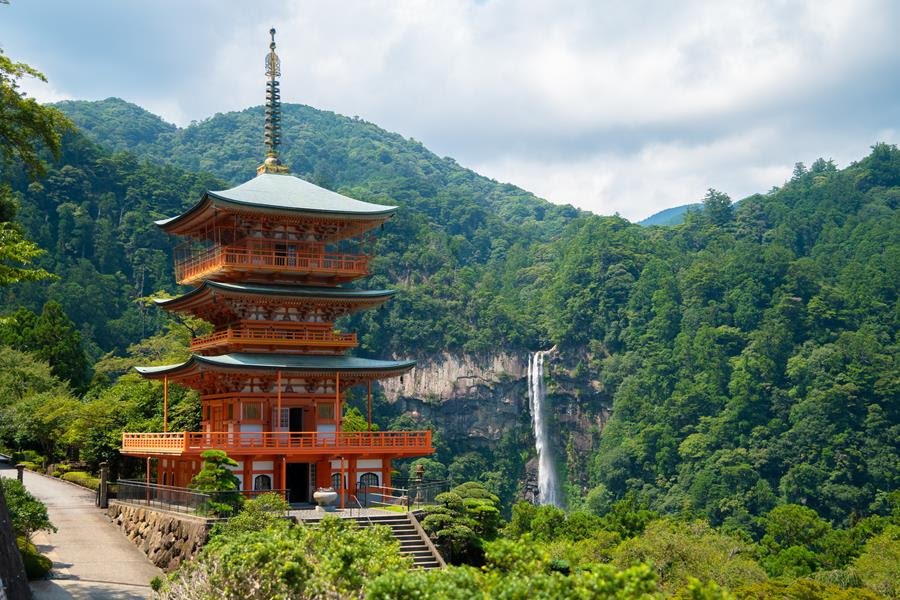
Nestled in cedar forests, perched on cliffsides or hidden along winding pilgrimage paths, Kyoto’s mountain temples offer a profound sense of tranquillity.
These sacred sites feel removed not just from the city, but from time itself — places where monks once meditated in silence, where poets summoned inspiration and where travellers today seek perspective and calm.
Yet Kyoto is only the beginning. Across Japan, mountain temples form a vast spiritual network shaped by Shinto reverence for nature and Buddhist devotion. From Nara’s forested hills to Nagano’s alpine sanctuaries, these spiritual sites invite visitors to experience the landscape not merely as scenery, but as a living presence.
Beginning Your Spiritual Journey
Many travellers start their exploration with the help of a Japanese train, one of the world’s most efficient and scenic transportation systems.
The rail network offers effortless access from Kyoto to neighbouring peaks, small mountain towns and rural temple complexes, making it easy to blend cultural discovery with outdoor adventure.
Mount Hiei: The Birthplace of Tendai Buddhism
One of Kyoto’s most important sacred sites is Mount Hiei, home to the sprawling Enryaku-ji temple complex. Dating back to the 8th century, Enryaku-ji served as the headquarters of Tendai Buddhism and trained monks who later founded Zen and Pure Land sects across Japan.
Highlights of Mount Hiei
- To-dō (Eastern Pagoda Area): A quiet cluster of halls surrounded by towering trees
- Sai-tō (Western Pagoda Area): Known for its atmospheric lantern-lit paths
- Yokawa: A more remote temple area ideal for peaceful contemplation
Visitors can reach Mount Hiei via cable car, bus or a combination of scenic walking routes. The summit offers sweeping views over Kyoto and Lake Biwa, Japan’s largest freshwater lake.
Kurama-dera: A Temple of Legends and Mountain Spirits
North of Kyoto lies Kurama-dera, a temple steeped in mystical folklore. The steep ascent from Kurama village winds through cedar forests and stone lanterns, eventually opening onto temple platforms overlooking the valley. Kurama-dera is famously associated with Tengu — mythical mountain spirits — and with martial arts legends, including stories of the young samurai Yoshitsune training here under supernatural guidance.
Travellers can continue the hike from Kurama across the mountain ridge to Kibune, a picturesque riverside village known for summer dining terraces suspended above flowing water. This full route blends spirituality with adventure, offering an immersive encounter with Kyoto’s natural surroundings.
Kiyomizu-dera: A Temple Built Into the Mountainside
Although located closer to Kyoto’s urban core, Kiyomizu-dera is unmistakably a mountain temple. Its vast wooden terrace, supported by towering pillars, juts out from the hillside with breathtaking views across the city and surrounding hills. The temple’s long history, dramatic architecture and fresh spring waters have made it one of Japan’s most beloved sacred sites.
Why Kiyomizu-dera Matters
- The veranda provides iconic sunrise and sunset views
- The temple honours Kannon, the goddess of compassion
- Seasonal transitions — cherry blossoms or autumn leaves — transform the atmosphere completely
For many visitors, Kiyomizu-dera is the spiritual heart of Kyoto’s eastern mountains.
Beyond Kyoto: Expanding the Mountain Temple Trail
Japan’s mountain temples extend far beyond Kyoto’s borders, each region offering its own style and spiritual heritage.
Nara’s Sacred Forests
Nearby Nara is home to Tōdai-ji, which, while not in the mountains, connects to sacred forests and deer-filled pathways. The foothills of Mount Wakakusa and Mount Kasuga enrich Nara’s spiritual landscape.
Nagano’s Zen Mountains
Further afield, Zenko-ji in Nagano — one of Japan’s oldest Buddhist temples — sits on a gentle slope surrounded by mountain valleys. From there, travellers continue onward to alpine regions such as Kamikochi, where nature and tranquillity converge beautifully.
Koya-san: Japan’s Mountain Monastic Capital
Perhaps the most significant mountain pilgrimage site in Japan is Mount Koya (Koya-san), the spiritual centre of Shingon Buddhism. Visitors can stay in shukubo (temple lodgings), participate in morning prayers and explore Okunoin cemetery — a forest of stone markers and towering cedars.
These regions reveal how deeply Japan’s religious traditions are tied to its terrain.
Travelling Between Sacred Peaks
Japan’s excellent transport network allows travellers to explore these sites easily. Many visitors journey using Kyoto to Tokyo trains, which connect two of the country’s most historic cities while providing a practical gateway to other mountain temple regions.
The journey between Kyoto and Tokyo also showcases Japan’s landscapes transitioning from mountains to plains, giving a sense of how geography has shaped spiritual life across the islands.
Seasons Among the Mountains
Each season transforms Japan’s mountain temples into a different experience.
Spring
Mountain trails fill with cherry blossoms and fresh greenery. Pilgrimages often begin during this season of renewal.
Summer
Dense forests provide cool shade, and temple festivals echo through valleys. Summer storms add drama to mountain views.
Autumn
Fiery red and gold leaves sweep across temple grounds, creating some of Japan’s most iconic photography scenes.
Winter
Snow blankets temple roofs, and incense smoke rises through crisp mountain air. Winter visits feel intimate and contemplative.
Temple Etiquette and Tips for Travellers
To make the most of your mountain temple explorations, keep the following in mind:
- Walk respectfully and avoid loud conversations
- Purify hands and mouth at the chozuya (water basin) before entering
- Remove shoes when required indoors
- Avoid pointing feet at altars when sitting
- Bring cash for offerings or stamping pilgrimage books
- Check seasonal access, as some pathways close during heavy snow
Adhering to these customs enriches the experience and honours local tradition.
Food, Tea Houses and Rest Spots Along the Trails
Many mountain temple routes include charming tea houses where travellers can warm up with matcha, enjoy traditional sweets or rest under wooden eaves. These small establishments often sit along pilgrimage paths and offer an authentic window into Japan’s rural hospitality.
Try:
- Warabi mochi dusted with kinako
- Fresh yuba (tofu skin) dishes near temple towns
- Seasonal wagashi shaped to reflect the surrounding nature
Meals and snacks along the trail help create a full sensory journey.
Why Mountain Temples Continue to Inspire
Japan’s mountain temples are powerful reminders of human connection to nature. They embody the belief that the landscape itself is sacred — a place where divine forces dwell, and where human beings can find clarity and renewal.
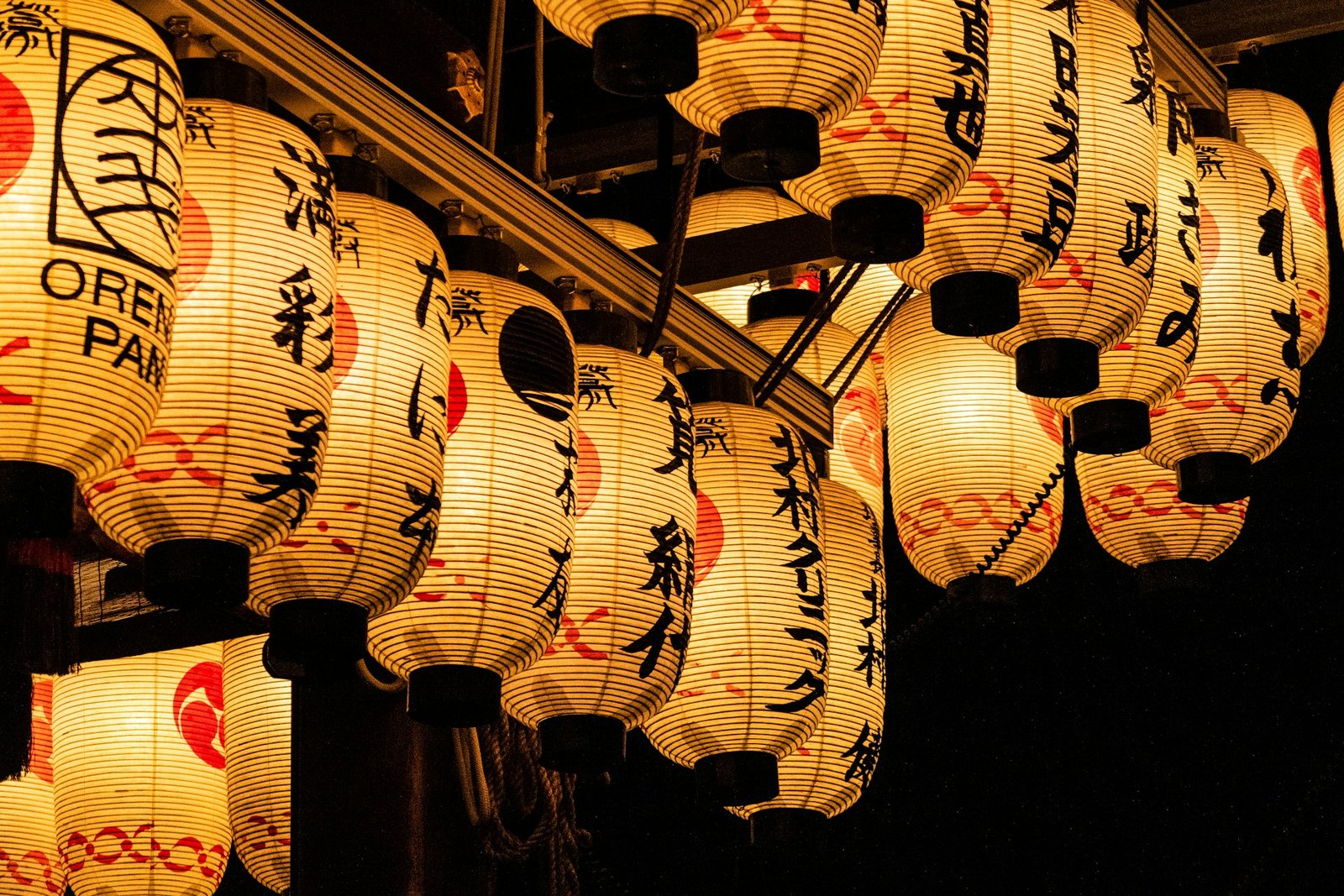
These temples offer more than architectural beauty; they offer perspective. Standing on a high terrace, listening to wind rustle through cedar branches, or watching a line of lanterns glow along a stone path is an experience that stays with you long after you descend the mountain.
Final Thoughts: A Journey Through Japan’s Spirit
Exploring Kyoto’s mountain temples — and venturing into the wider spiritual landscapes across Japan — reveals a profound legacy of devotion, myth and natural harmony. Whether you begin your journey in Kyoto, continue to Nara and Nagano or venture deep into the monastic world of Koya-san, each step offers insight into the beliefs that shaped Japanese culture.
For modern travellers, mountain temples are sanctuaries of calm in a fast-changing world. Among sacred peaks, ancient forests and wooden halls that echo with centuries of prayer, you find a quiet invitation: to slow down, to breathe deeply and to let the mountains speak.