







Managing a high school requires flexibility and clear plans.
The environment has changed with new technology, diverse student needs, and growing safety concerns.
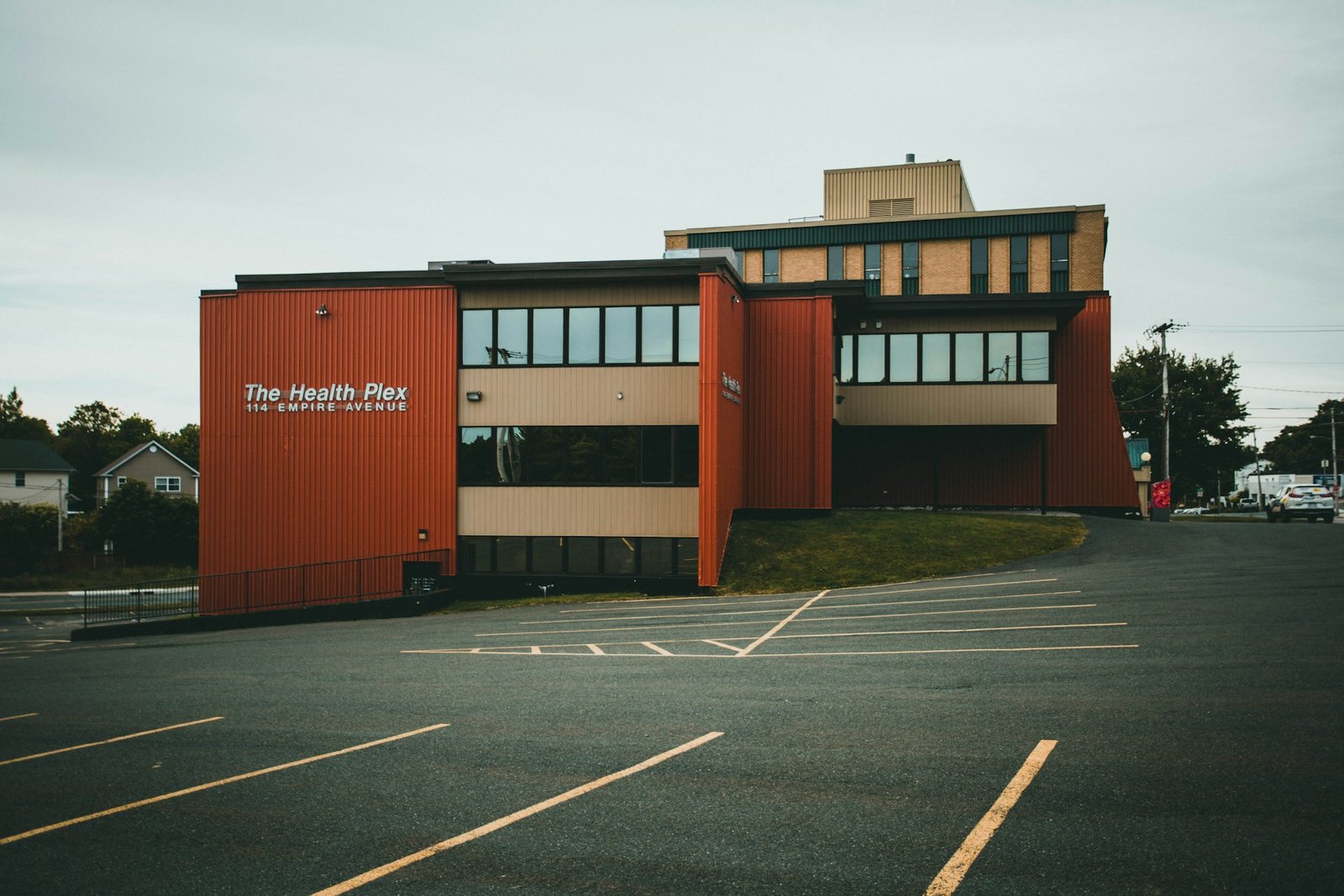
To handle these challenges, schools need to adopt new tools and approaches that simplify the complexities of education.
High schools are busy places for teens, combining learning and social activities. Balancing effective instruction with a positive atmosphere is a challenge. Engaging with students, teachers, and parents is key to keeping everything running smoothly.
Discover how to manage a modern high school.
Technology in the Classroom
Smartboards, tablets, and educational software are now essential tools. Technology makes learning more engaging, allowing teachers to present information interactively. This captivates students and encourages their participation. With countless online resources, teachers can customize lessons to fit different learning styles, keeping everyone involved.
Learning management systems improve communication between teachers and students. Centralizing grades, assignments, and feedback helps avoid confusion and promotes transparency. Students can take charge of their education by tracking their progress rather than waiting for report cards. Parents also gain insight into their child’s academic journey, encouraging home and school teamwork.
Weapon Detection Systems
Keeping schools safe is crucial, especially today. Investing in weapons detection systems for schools is a proactive step. These advanced systems identify potential threats and create a safer environment for everyone. Implementing this technology shows a commitment to student safety without creating fear.
With these systems, schools can focus on teaching instead of worrying about safety. Knowing that reliable detection helps students feel secure, allowing educators to concentrate on their work. When students feel safe, they are more confident and ready to learn.
Mental Health Support
Modern high schools understand the link between mental health and academic success. Providing mental health resources sends an important message. Counsellors should be available to create safe spaces for students to share their concerns. Regular check-ins and workshops build emotional intelligence, helping students handle difficulties.
Promoting a culture of openness reduces the stigma around mental health. Awareness campaigns and peer support groups encourage conversations. Students learn that asking for help is a sign of strength. Prioritizing mental health benefits the entire school community, showing that everyone matters.
Diverse Extracurricular Activities
A wide range of extracurricular activities enhances the high school experience. Clubs, sports teams, and the arts allow students to explore interests outside academics. Participation builds teamwork, leadership, and friendships. Providing different options helps all students find their place.
These activities boost school spirit and pride. Events like talent shows, sports games, and art exhibitions highlight student achievements and unite the community. Families support their children’s activities, strengthening school connections. A vibrant extracurricular scene fosters a sense of belonging, which is crucial for young adults.
Community Involvement
High schools thrive on connections with the local community. Partnering with businesses, organizations, and families improves student resources. Involving the community in school events fosters shared responsibility.
Volunteer opportunities and internships give students real-world experiences. Exposure to varied perspectives prepares them for life beyond school. Community involvement builds support networks, emphasizing that education goes beyond classrooms and textbooks.
Continuous Professional Development
Teachers play a vital role in schools. Providing ongoing professional development helps them stay updated. Workshops, team collaborations, and online courses help teachers improve their skills, try new methods, and use the latest teaching research.
Fostering collaboration among staff encourages sharing ideas and creativity. When educators feel appreciated and supported, they convey positive energy to their students. Investing in their growth boosts teacher morale and positively affects student engagement.
Clear Communication
Keeping communication open is essential for a high school. Regular newsletters, meetings, and online updates ensure everyone knows what’s happening. Setting up clear protocols for addressing concerns helps solve issues quickly and builds trust among students, parents, and staff.
Seeking feedback from everyone involved creates a team atmosphere. When students and parents feel heard, they stay committed to the school’s success. Active communication builds a positive culture and ensures school goals align with individual needs.
Innovative Curriculum Design
High schools need to update their curriculum to meet students’ changing needs. This means including real-world skills and experiences in lessons. By connecting learning goals with practical applications, teachers can make education more engaging for students. Project-based learning is one effective method, letting students solve real-life problems while developing critical thinking and teamwork skills.
Interdisciplinary courses that combine different subjects also help students understand complex ideas better. High schools can spark curiosity and creativity by encouraging connections between various fields and preparing students for the challenges they will face in the modern world.
Engagement with Families
Involving families in education is crucial for student success. High schools can create a friendly environment that welcomes parental involvement through workshops, information sessions, and volunteer opportunities. Keeping families informed about school policies, academic progress, and events builds trust and collaboration.
Regular communication methods, like parent-teacher conferences and online portals, help parents stay engaged in their child’s education. When families feel connected to the school community, students do better academically and socially, leading to a more supportive and enriching learning environment.