




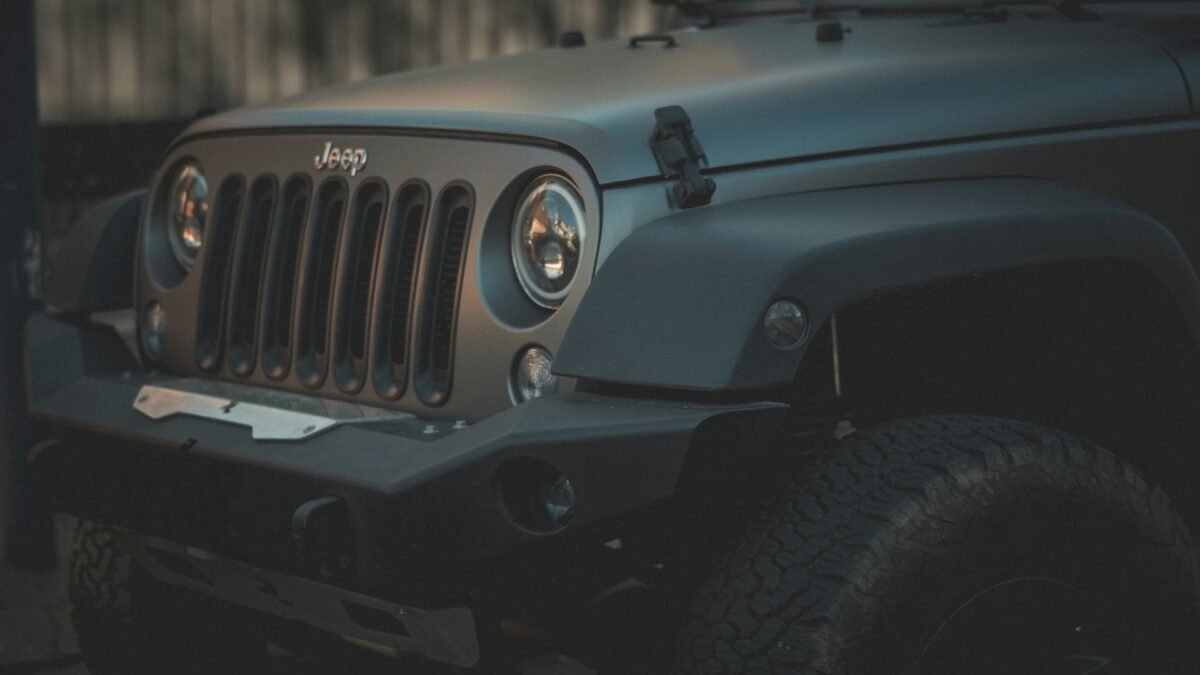

Jeep owners are known for their love of adventure—whether it’s off-roading across rugged trails or taking the long scenic route.
That same passion often drives them to keep their vehicles in top shape.
When it comes to maintenance and repairs, using the right components matters. One key term to know is OEM, which stands for Original Equipment Manufacturer. Understanding what these parts are and why they matter can help ensure your Jeep continues to deliver dependable performance, no matter the journey.
What Makes a Part “OEM”?
OEM Jeep parts are components made by the original manufacturer that produced the parts for Jeep when the vehicle was first built. These aren’t third-party imitations—they’re the exact same parts installed in the factory. Because they match the original specifications, they fit perfectly and function reliably. That means no guesswork, no modifications, and no unexpected failures.
Engineered specifically for Jeep’s unique driving demands, OEM parts are built to handle the challenges of both everyday driving and off-road adventures. Their consistent quality makes them a trusted choice for drivers and professional mechanics alike.
The Benefits of Sticking with OEM
Choosing factory-original parts offers peace of mind. They’re built to match factory standards, making them more reliable and longer-lasting than many aftermarket options. These parts are tested for safety, fit, and durability. Many also come with a warranty, offering added protection. In contrast, aftermarket parts can sometimes void existing warranties or cause issues later on. Sticking with original specs also simplifies vehicle maintenance, ensuring consistent performance over time.
How to Identify Genuine Parts
Identifying authentic components is key to maintaining long-term quality. Many aftermarket products are designed to mimic the look of originals, but there are several ways to distinguish them. Start by checking the packaging—genuine items typically arrive in branded boxes and include a part number that aligns with Jeep’s official catalog.
Look for clear labels or factory stamps, often featuring the Mopar logo, since Mopar oversees parts and service for Jeep vehicles. It’s also wise to buy from reputable dealers to avoid counterfeits. When in doubt, cross-reference the part number using official resources.
Common OEM Parts Jeep Owners Replace
Some parts wear out more frequently than others, making them ideal for OEM replacements. These include suspension systems, braking assemblies, axles, and drivetrain units. For those venturing off-road, essentials like skid plates, differentials, and steering stabilizers are especially important. Such components endure intense stress, particularly during rugged use. Choosing original equipment ensures your Jeep continues to perform as intended, even in the toughest conditions.
Trusting the Right Source for Jeep Restoration Projects
Whether you’re maintaining a daily driver or restoring a classic model, sourcing genuine parts makes a significant difference. OEM components are especially important during restorations, where matching original specs is key to preserving both performance and authenticity.
These experts understand what fits and functions best, helping to match parts accurately to specific models that include classic or hard-to-find builds. This attention to detail and accuracy is crucial when you’re looking to restore a Jeep to its original condition or improve performance without compromising reliability.
Investing in OEM Jeep parts isn’t just about keeping a vehicle running—it’s about preserving the rugged integrity that this brand is known for. These components are engineered to perform under pressure and are designed specifically for your model. With proper care and attention to quality, a Jeep can remain a dependable partner for years. Whether tackling tough terrain or cruising the open road, OEM components help ensure every ride is a smooth one.