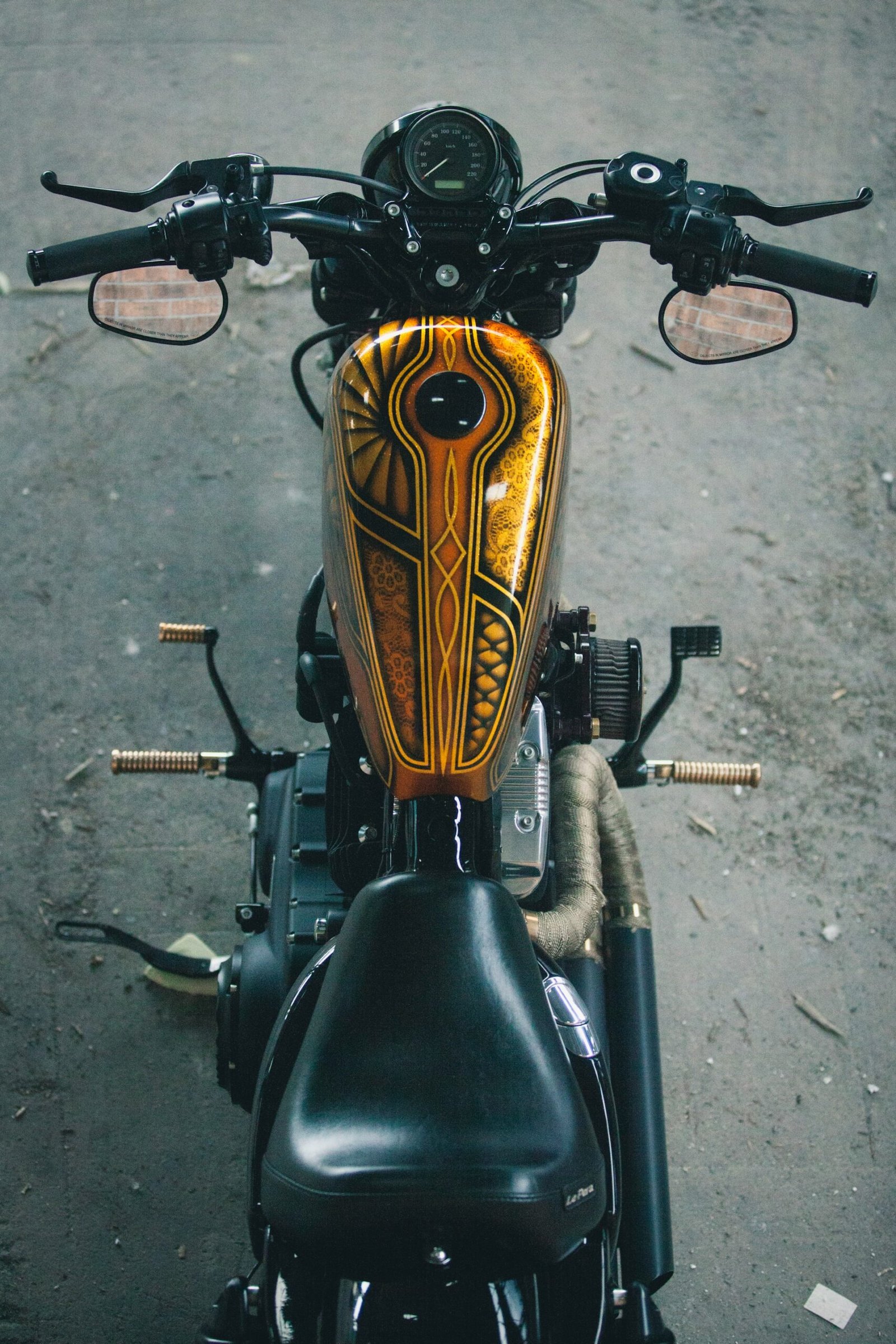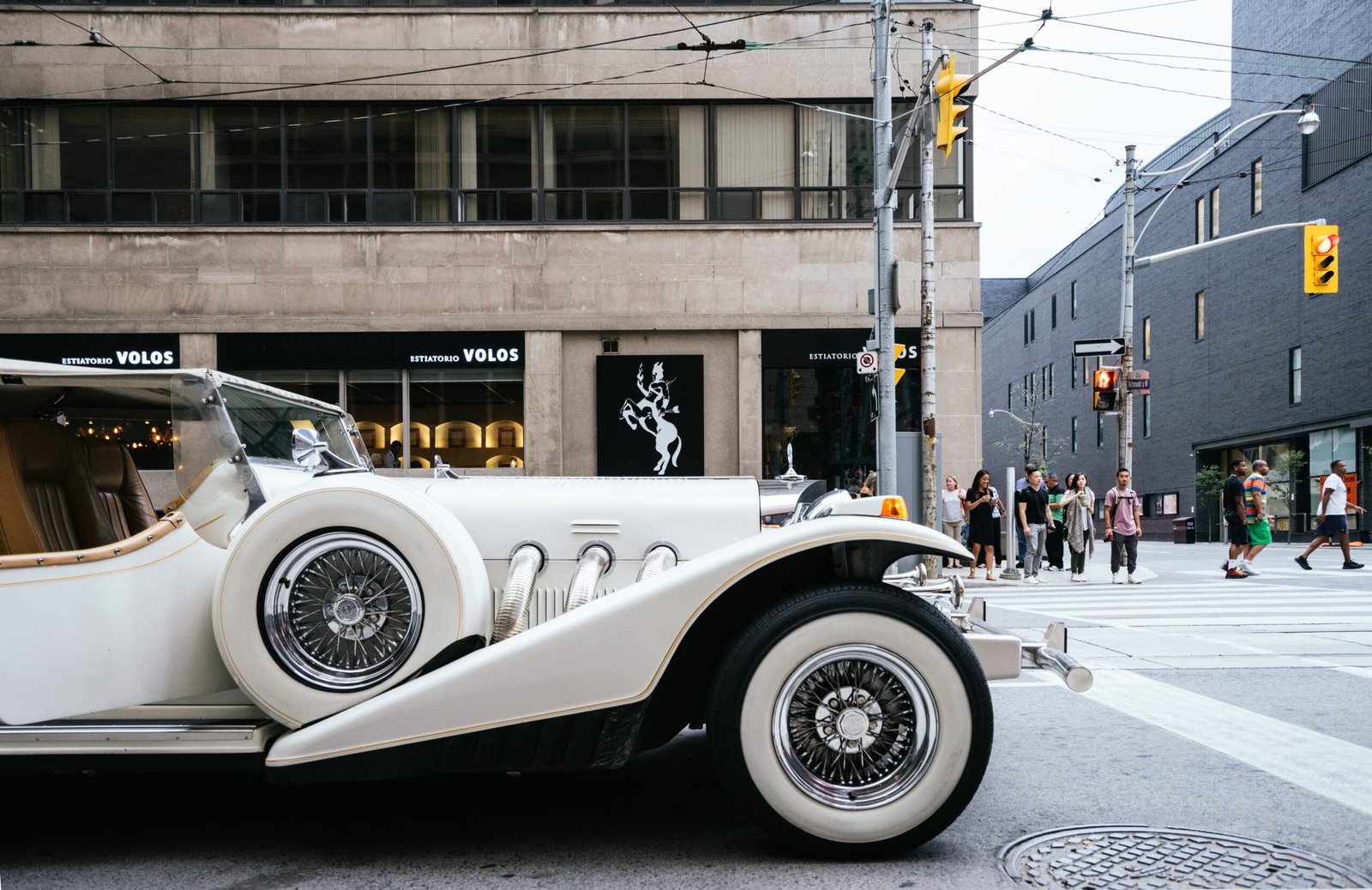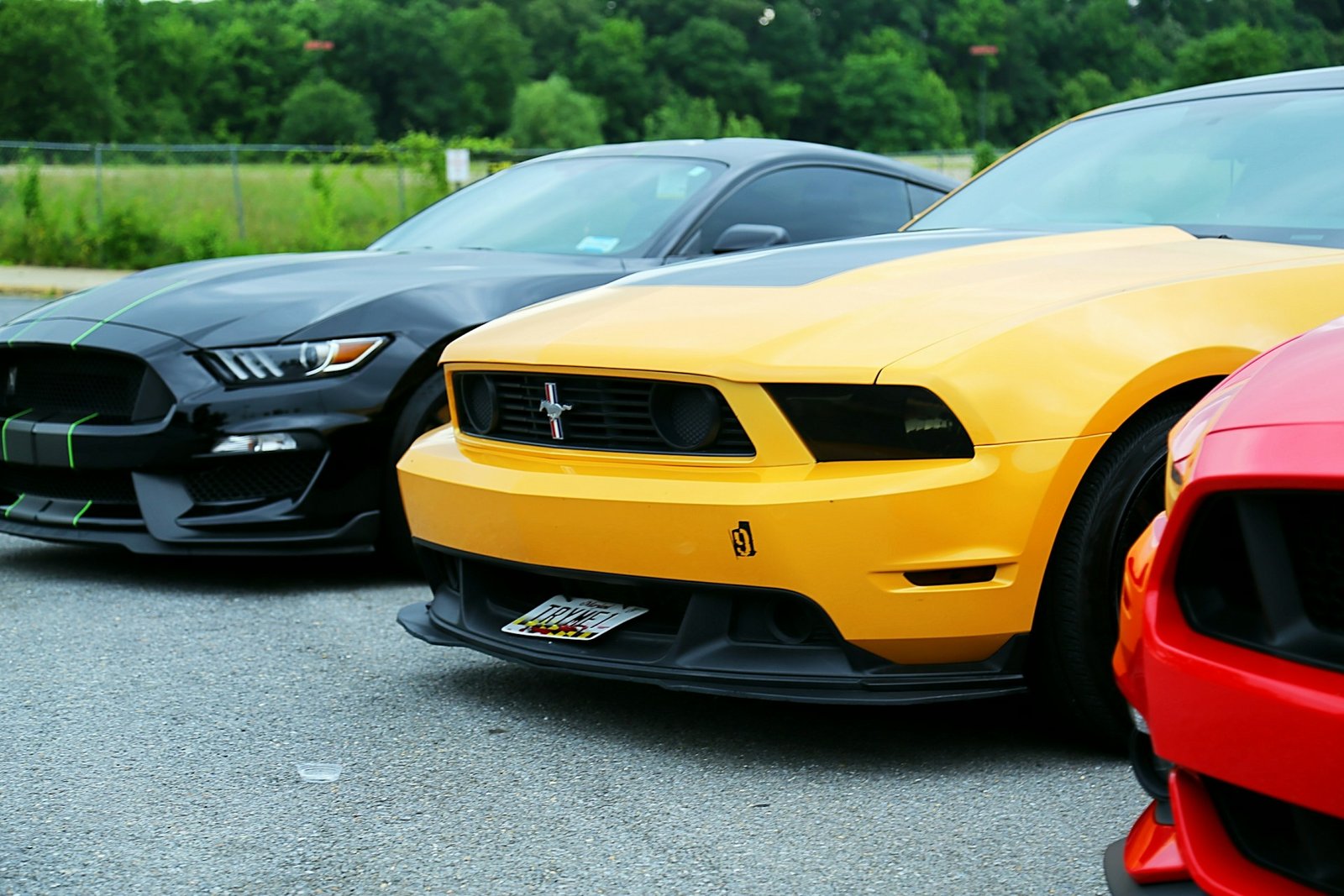

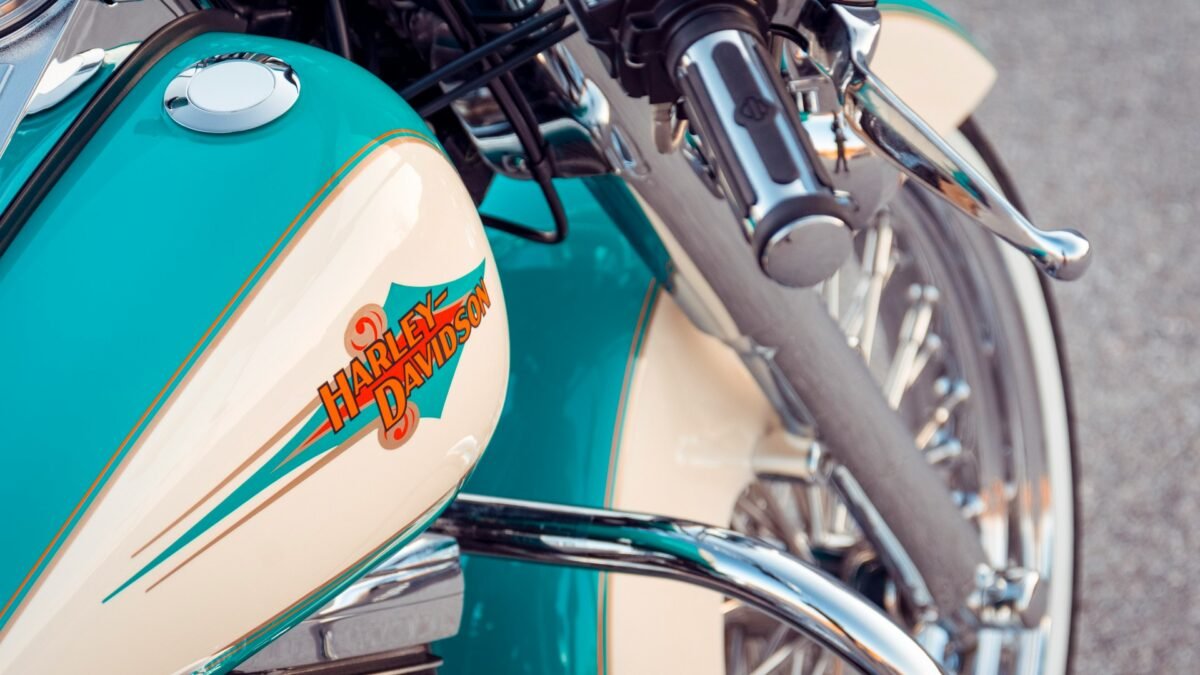

Motorcycle owners enjoy near-complete freedom: they can paint and customize their bike fairings however they like.
Unlike cars, where a full respray can cost at least €2000, motorcycle customisation remains very affordable. The desire to decorate a bike with custom colours or even with a personalised design becomes an achievable project, with a modest budget and endless possibilities in terms of colours and effects, as long as you work with a motorcycle paint specialist.
Custom paintwork, as it’s known, refers to the application of any colour based on personal preference, and often includes very special finishes: special effect paints for motorcycles.
The shape of motorcycle fairings is an added reason to customize your Motorcycle paint. Their curves, angles, and surface reliefs, from the tank to the mudguards, make them ideal for pearlescent colours, which shift tone depending on the viewing angle. And fairings are much easier to clearcoat than the large, flat vertical surfaces of cars.
Dare to use a special effect paint to customise your Motorcycle!
Motorcycle paint specialists are professionals who master all the fundamentals of automotive bodywork paintwork. They are capable of working on various surfaces, including the flexible plastics found on motorcycles.
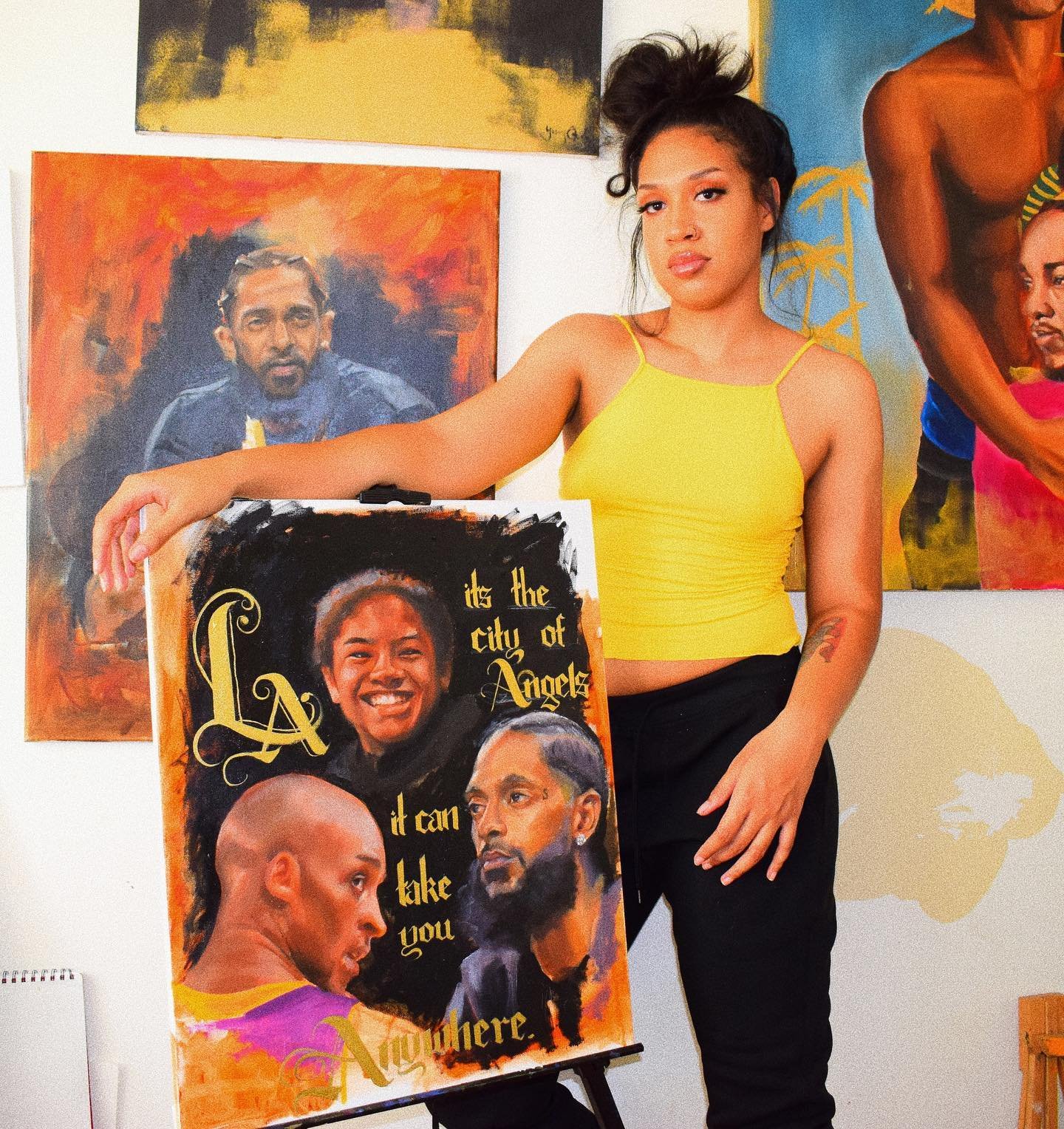
Custom painters often have an artistic soul, which is why many leave behind the more repetitive work of vehicles repainted.
Paintwork is a playground for creativity. Far removed from standard factory colours, custom paint uses special finishes: deep transparent shades, shimmering iridescent effects, texture patterns, clearcoats with various levels of gloss, and of course, airbrushed artwork.
A Motorcycle paint specialist combines several disciplines: graphic masking, airbrushing, technical knowledge of complex special paints, and the preparation of substrates such as plastic, fibre, or carbon. They may also paint helmets, bicycles, skateboards, or even furniture and decorative items.
The different types of Motorcycle paint
Motorcycle paint may begin with original factory paints. To do this, you’ll need your bike’s colour code, which allows you to order the OEM paint from a specialist. There are thousands of shades listed by manufacturers, with some colour codes dating back as far as 1950.
The second form of motorcycle customisation involves painting with multiple colours, with designs ranging from simple to complex, often including logos and branding applied via adhesive stencils.
This technique is used for racing bikes, but also for road bikes, which are often two-tone, with a third shade used for pinstripes.
You can design your own colour combination with either simple or detailed graphics.
Then come the special effect paints, which involve applying extremely advanced finishes to the motorcycle’s fairings.
Lately, Candy paints, which allow light to pass through and produce ultra-deep, vivid shades, have gained popularity on social media.
Crystalliser paints are another innovation, producing striking crystal-like patterns.
If you’re considering using a special effect paint on your motorcycle, we recommend preparing your project with an experienced painter who can guide you toward the right products and steps. It’s important to consider not just cost, but also ease of application and long-term durability. Take Chameleon paints, for example: they are easy to apply, affordable, and fully UV-resistant.
And finally, there’s airbrushed artwork.
This is customisation at its most extreme, involving a professional airbrush artist who paints freehand designs: snow-covered landscapes with wolves, sunsets, skulls with flames… It all depends on your imagination.
And once again, there are no laws (yet) restricting or regulating custom motorcycle paintwork. So let’s take advantage of that. Be bold. Be unique.
Can you apply motorcycle paint yourself? Absolutely.
All you need is a paint gun and a compressor, or even just aerosol sprays. With guidance from a technician and careful reading of the professional application instructions, anyone can achieve motorcycle paintwork as good as a pro.
This involves applying a full paint system: a primer or undercoat, followed by the 1K basecoat, and finally a clearcoat. No, it’s not exactly easy, but with dedication, it’s entirely possible.
If you would like more detailed information on how to repair your motorcycle’s paintwork step by step, we invite you to read the following article: « Guide: Touching Up Chips & Other Minor Blemishes in Your motorcycle’s Paint »