

Key Takeaways
- Next-generation power generation is redefining the delivery of dependable energy for communities and industries worldwide.
- Improvements in technology are producing cleaner, more efficient, and more resilient energy solutions.
- Low-carbon innovations are critical to global climate and sustainability goals.
- A strong understanding of these new energy systems helps individuals and organizations make informed choices for the future.
Key Drivers Behind Advanced Power Generation
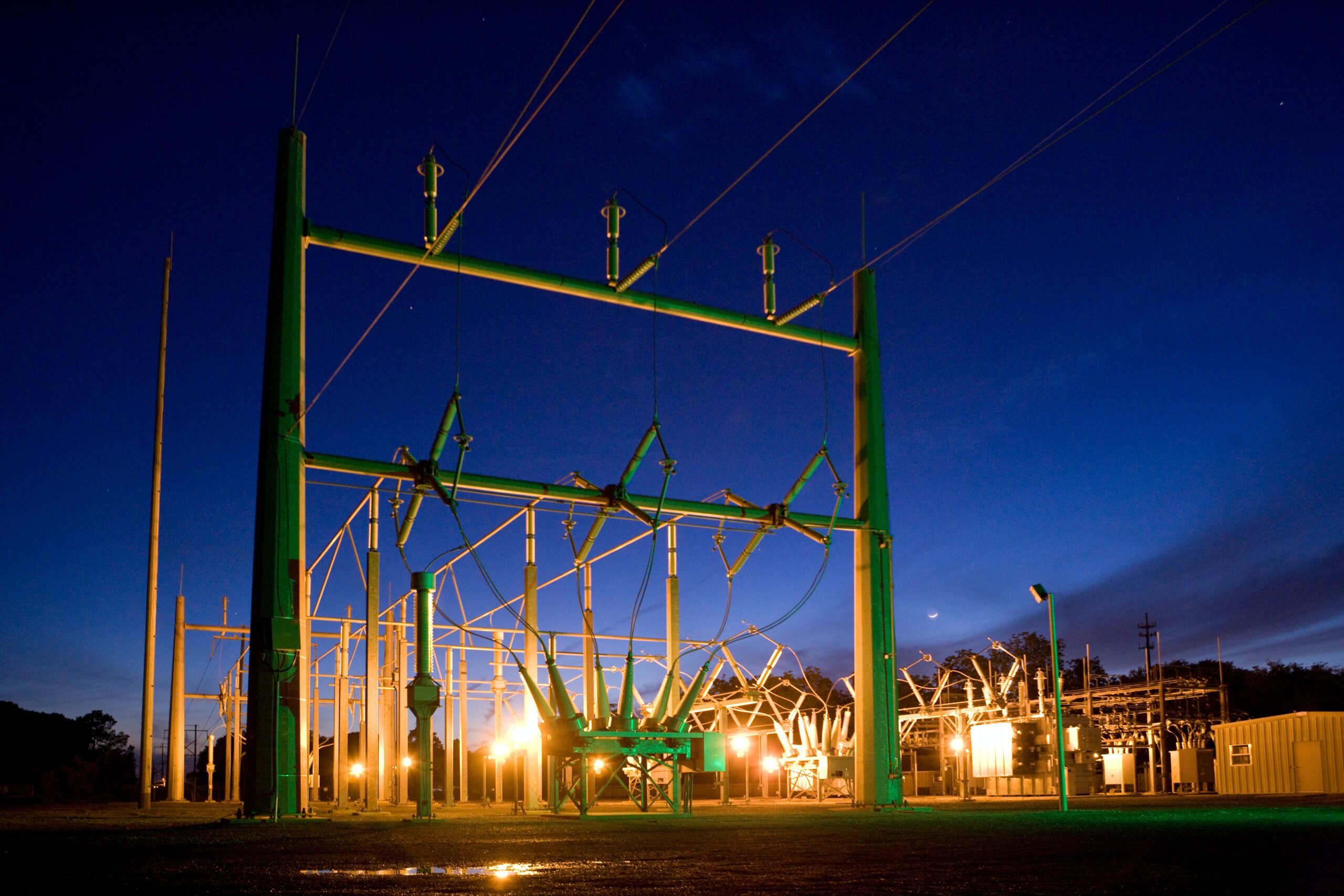
A host of urgent factors is shaping the future of reliable power, converging at a time when energy security has never been more critical. Power systems globally are facing expanding challenges from increased population density, urbanization, and a surging reliance on electronic devices and automation. This shift is stretching the capabilities of traditional electricity grids, which, in many regions, are decades old and were not designed to handle today’s complex load patterns. Efforts to address climate change and reduce the carbon footprint of energy production further complicate this landscape by requiring new approaches to generation and distribution.
For grid operators and businesses seeking solutions, new advanced systems like Bloom Energy Power Engineering present an opportunity to enhance reliability and embody efficiency and environmental responsibility. Such innovations are critical as failures in aging infrastructure have revealed how disruptive and costly outages can be for families and essential services. Notably, the International Energy Agency indicates that global electricity demand continues to rise sharply, with increases exceeding 2% in just the last year. This combination of soaring demand, new decarbonization targets, and the mounting costs of infrastructure failures is ushering in a wave of novel technological solutions.

Technological Innovations Shaping The Sector
At the forefront of change is a surge in next-generation technologies designed to address the old and new demands placed upon power systems. Power plant and grid upgrades are no longer just about adding capacity; today, distributed energy resources like microgrids and fuel cells allow organizations to create resilient, tailor-made power ecosystems. Microgrids can work independently or in concert with the primary grid to supply power in the event of failures. At the same time, modern fuel cells convert energy with near-silent operation and minimal emissions. Beyond simply generating electricity, many of these technologies provide heat for buildings, further reducing waste and maximizing efficiency.
The rapid development of hydrogen fuel cell technology has been auspicious. These cells offer a means to generate reliable electricity free from the carbon emissions tied to fossil fuels, while advances in digital management enable real-time optimization. Integrating cloud-based controls, sensors, and automation makes these innovative systems responsive to fluctuations in supply and demand. As a result, businesses, hospitals, and even residential neighborhoods can mitigate risks while boosting energy independence.
Moreover, the growing versatility of fuel-cell systems allows these technologies to support a wider range of essential services. Firms like HyMax, for example, develop solutions that help maintain backup power for critical infrastructure, including traffic management systems. This ensures that key intersections and control equipment remain functional during outages, reinforcing the broader goal of creating resilient and reliable power networks.
Resiliency And Reliability In Modern Power Systems
The economic consequences of power interruptions are immense, impacting everything from manufacturing lines and retail to essential medical services. Research estimates grid outages cost U.S. businesses tens of billions of dollars annually—a figure that climbs higher in disaster-prone regions. Modern power systems are built to reimagine reliability by weaving together backup generation, storage, and robust grid designs. Unlike the one-way power flows of legacy infrastructure, newer networks are adaptive and interactive, rapidly rerouting electricity and ensuring minimal service disruption during failures.
Distributed generation using fuel cells and combined heat and power (CHP) units has demonstrated remarkable resilience during blackouts and natural disasters. Instead of relying solely on a central grid, on-site or close-proximity generation facilities can continue critical operations, protect public safety, and save on costly emergency fuel deliveries. These systems have become invaluable in regions with severe weather events, wildfires, or increasing cyber threats to grid reliability.
Sustainability Considerations For The Future
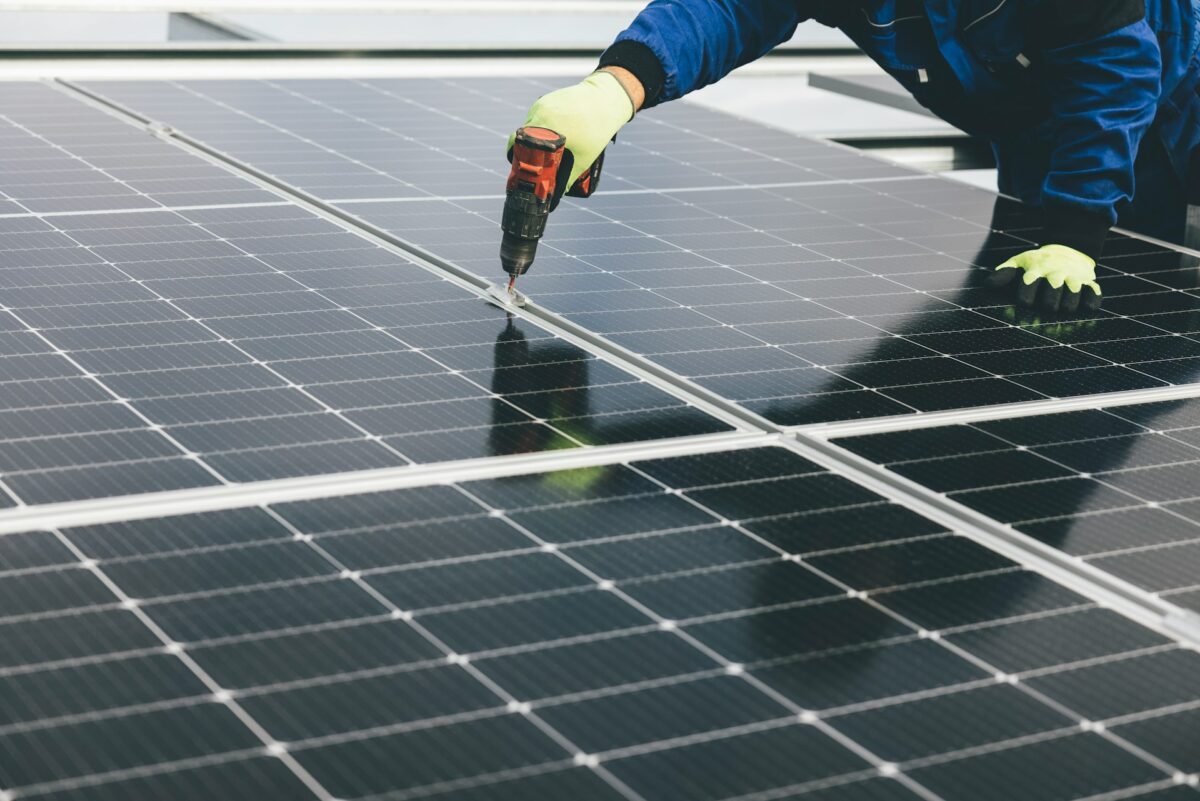
As concerns over climate change heighten, decarbonizing the power sector remains one of the fastest and most effective ways to achieve broad emissions reductions. Sustainable power solutions now emphasize cleaner fuels, improved energy efficiency, and the integration of renewable resources such as solar and biogas. Unlike carbon-heavy systems, innovative power generation delivers both environmental benefits and significant cost savings over time through reduced fuel use and lower emissions penalties. Meeting regulatory standards also becomes less daunting with the right technologies in place from day one.
Businesses and public agencies adopting sustainable power enjoy reputational benefits as customers and communities increasingly favor organizations that can demonstrate climate leadership. The flexibility to adjust fuel input—transitioning from natural gas to hydrogen, for example—makes it possible to move towards net-zero goals without needing a complete infrastructure overhaul.
Real-World Examples Of Next-Gen Energy Systems
The impact of next-gen power systems is far from theoretical. Across the world, successful deployments are proving their potential. During the 2011 Fukushima earthquake in Japan, decentralized and modular fuel cell systems supported hospitals and emergency response centers, providing reliable energy when the primary grid was down. Similarly, multiple U.S. medical facilities have installed microgrids and on-site generators to guarantee uninterrupted care, even during widespread blackouts caused by hurricanes or grid failures.
Commercial businesses have also seen savings and performance boosts. Retailers using on-site generation report minimizing costly downtime, while manufacturing plants have improved operational continuity by integrating fuel cells that provide continuous power regardless of grid performance. These success stories inspire broader adoption and global policy support for advanced power generation infrastructure.
Policy And Market Forces Steering Change
Proactive policy intervention and dynamic market changes are fundamentally shaping the landscape of power generation. Many governments now offer significant incentives and rebates for investments in clean and resilient energy technologies. Regulatory agencies implement stricter emissions standards, requiring utilities and large consumers to transition from outdated, high-carbon equipment and fuels.
On the business side, innovative models like energy-as-a-service allow owners to upgrade to state-of-the-art power systems with reduced upfront costs, shifting risks and maintenance burdens to expert providers. Public concern, media attention, and shareholder advocacy are powerful motivators to accelerate innovation and adoption. Tracking international trends and developments, as detailed by major organizations and outlets such as the International Energy Agency, is vital in staying ahead of regulatory or market shifts that can impact energy costs and operational viability.
Benefits To Consumers And Businesses
- Improved reliability and continuity of service with fewer power outages
- Reduced long-term operating expenses by increasing efficiency and lowering fuel costs
- Progress toward sustainability and carbon-reduction initiatives
- Greater compliance ease with evolving environmental regulations
- Increased disaster preparedness and personal or organizational safety
The value of resilient, modern power systems is broad and significant. For businesses, avoiding unplanned outages protects profits and brand reputation, while smoother processes result in better customer satisfaction. Homeowners and individual consumers value peace of mind, especially in regions at risk of natural disasters or aging infrastructure failures. Public agencies and hospitals find that advanced systems not only save money but also protect the well-being of society’s most vulnerable.
What’s Next For Power Generation?
The next decade promises even greater transformation as artificial intelligence, machine learning, and advanced analytics are embedded into grid management systems. These technologies will allow networks to predict surges, learn from disturbances, and better incorporate distributed and renewable energy. As more businesses and communities deploy local microgrids and hybrid systems, energy networks will become less centralized and more adaptive to day-to-day fluctuations and rare emergencies.
Staying ahead of these developments means keeping up with the latest insights from industry news platforms, where real-time reporting and expert analysis help organizations make proactive investment decisions. The era of future-ready power will demand balance: blending high reliability, sustainability, intelligent automation, and affordability for a world that can’t afford to go dark.