






Learn how cutting-edge technology is transforming the dining experience by improving speed and convenience for both customers and staff. Understand the impact of digital tools on restaurant operations and how they can help businesses stay competitive in the fast-paced hospitality industry.
In today’s dynamic restaurant environment, the adoption of technology is crucial for streamlining operations and enhancing customer service. Advanced digital solutions are reshaping how dining establishments function, offering a seamless blend of efficiency and customer satisfaction. Implementing systems like a pos with online ordering significantly optimizes the ordering process. This digital shift enables restaurants to meet evolving consumer expectations while maintaining high service standards.
The rise of restaurant technology
The restaurant industry has shifted towards digital solutions. Cloud-based POS systems have become essential, providing businesses with real-time data access and transaction processing capabilities that are vital for smooth operations. These systems integrate seamlessly with online ordering platforms, creating a unified system that enhances order accuracy and reduces customer wait times. As technology continues to evolve, these solutions offer restaurants the agility needed to adapt quickly to market changes.
Online ordering platforms are not just about convenience; they represent a fundamental change in how customers interact with restaurants. By offering mobile apps and websites that facilitate easy order placements, restaurants can tap into a broader customer base who prefer digital interactions. This shift increases revenue streams and provides valuable insights into consumer behavior through data analytics, helping businesses tailor their offerings more precisely.
The introduction of self-service kiosks is another technological advancement gaining traction in the industry. These kiosks empower customers to place orders independently, reducing the workload on staff and minimizing errors associated with manual input. This move towards automation reflects an industry-wide trend towards enhancing customer autonomy while maintaining operational efficiency.
Improving customer experience
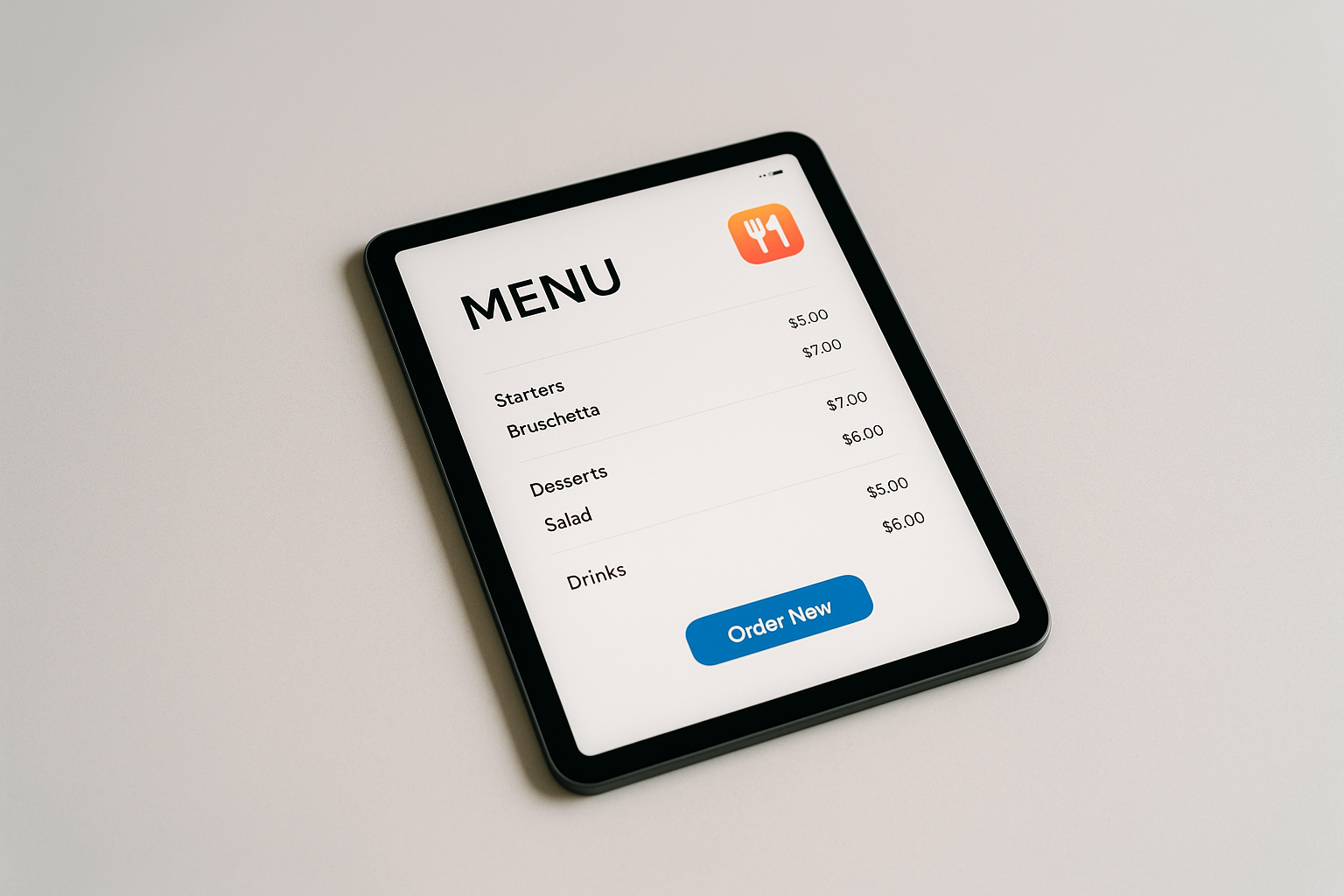
At the heart of any successful restaurant is a focus on delivering exceptional customer experiences. Advanced digital tools play a crucial role in achieving this goal by streamlining service delivery and personalizing interactions. With technologies such as table-side tablets, guests enjoy faster service as they can browse menus, customize orders, and pay directly from their seats. This immediacy improves guest satisfaction and increases table turnover rates.
Personalization has become an integral part of enhancing customer experiences. Through digital tools, restaurants can gather insights into customer preferences and dining habits, allowing them to offer tailored recommendations and promotions. This data-driven approach fosters loyalty by making diners feel valued and understood.
Moreover, mobile apps enable diners to engage with restaurants beyond the physical premises by offering features such as loyalty programs and push notifications about special deals or events. These applications keep customers connected and engaged, driving repeat visits and brand advocacy.
Optimizing operations
Operational efficiency is vital for maintaining profitability in the competitive restaurant industry. Digital solutions such as automated order processing reduce human error and streamline kitchen workflows. With orders directly transmitted from tables or mobile devices to kitchen displays, chefs can prepare dishes without delays or miscommunications.
Real-time data insights offered by advanced digital tools provide managers with a comprehensive view of daily operations. By analyzing metrics such as sales trends and inventory levels, managers can make informed decisions that optimize resource allocation and minimize waste. This proactive approach ensures that resources are used efficiently, contributing to cost savings over time.
Digital scheduling tools further enhance operational efficiency by simplifying staff management processes. These tools allow managers to create schedules that align staff availability with peak service times, ensuring optimal coverage without overstaffing. Such precision in workforce management helps maintain service quality while controlling labor costs.