






Spine injuries can feel like life has suddenly paused.
The pain isn’t just physical; it affects how you move, think, work, rest, and even how you feel about your future.
It can test patience, challenge identity, and strain emotional strength. But what if a spinal injury doesn’t mark the end of possibility, but rather the beginning of a new journey? A journey where pain becomes a teacher, and healing becomes a path to rediscovery.
Wellness after a spine injury isn’t simply about restoring what was lost; it’s about building something new. Stronger. Wiser. More aligned with what your body and mind truly need.
What is Spinal Wellness?
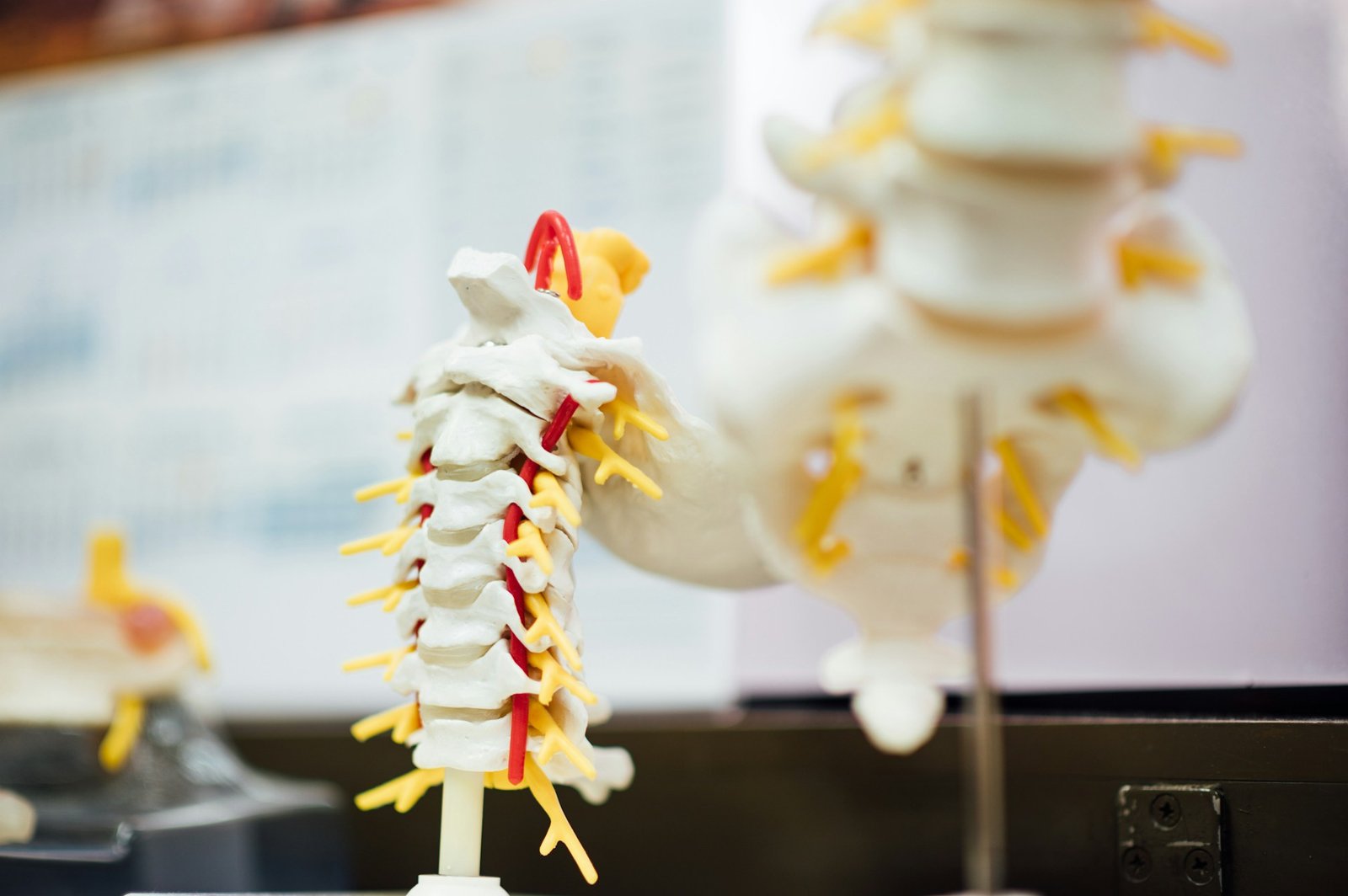
Spinal wellness goes beyond treating inflammation or managing pain. It involves nurturing the body’s capacity to repair, stabilize, and adapt. The spine is the core support system for movement, posture, and nerve communication. When it suffers injury, every part of daily life can feel disrupted.
Real healing requires more than physical treatment. It involves restoring confidence, rebuilding strength, and guiding the body toward balance, flexibility, and mobility. It’s a journey that blends science, mindset, patience, and possibility.
When Healing Means Rebuilding
Spine injuries often challenge more than the body; they challenge the belief that healing follows a straight line. Many people discover that recovery requires both trust and resilience. You rebuild through:
- Restoring mobility, one step at a time
- Strengthening the muscles that support the spine
- Calming inflammation so the body can repair
- Supporting emotional wellbeing and mental strength
- Exploring regenerative options that encourage deeper healing
Among these regenerative options, approaches such as the Auragens spine disc stem cell treatment are designed to support tissue repair, reduce degeneration, and help the body recover from the inside out.
The Emotional Side of Recovery
One of the biggest hurdles after a spine injury is the emotional journey. Fear of movement, loss of independence, anxiety about the future, and frustration with progress are all normal. But they’re not permanent.
Healing emotionally can mean:
- Learning to trust your body again
- Showing patience toward slow, steady progress
- Letting go of comparison and embracing personal growth
- Understanding that strength includes vulnerability
- Reclaiming hope, even when challenges remain
Your emotional recovery is just as important as the physical one; they walk side by side.
The Possibility in Pain
Pain forces us to slow down. But sometimes slowing down allows us to listen, realign, and discover what we once overlooked. Pain can uncover the need for better posture, more balance, kindness to your body, and a lifestyle that promotes long-term health.
It guides us to look not only at injury, but at how we live, heal, and support ourselves through change.
Building a Wellness Routine After Spinal Injury
Recovery is strongest when it’s built on consistency. Gentle, steady, and personalized care often does more than aggressive or rushed solutions. A wellness journey may include:
- Restorative physical therapy
- Posture and movement awareness
- Nutrition that supports tissue repair
- Mind-body practices like breathing, mindfulness, and guided stretching
- Regenerative support, depending on your condition and goals
The goal isn’t to return to who you were; it’s to feel stronger, more capable, and more aligned moving forward.
Hope, Guided by Science
We now understand more about how the spine heals than ever before. Regenerative science, personalized therapy, and cellular repair all show promise in restoring spine health and slowing degeneration. Modern treatments focus on supporting the body’s natural repair process rather than only managing symptoms. It’s a shift from “live with it” to “what can we help restore?” This shift represents more than innovation. It represents hope.