






What CCTV camera systems do and when they are used in homes and businesses is often misunderstood by homeowners and business owners alike.
While many people know CCTV can improve security, they don’t always understand how these systems actually work or whether they are truly necessary for their specific situation.
This lack of clarity often leads to common mistakes, such as overinvesting in complex systems that aren’t needed, installing cameras in the wrong locations, or failing to protect the areas that matter most. In some cases, people rely on basic setups that don’t provide useful footage or fail to meet real-world security needs.
In this guide, you’ll learn what cctv camera systems do, how they function, and when they are most effectively used in homes versus businesses, helping you make informed decisions based on purpose, not pressure or assumptions.
What Is a CCTV Camera System?
A CCTV (Closed-Circuit Television) camera system is a private security system used to monitor and record activity within a specific area. Unlike public broadcast cameras, CCTV footage is transmitted to restricted monitors or storage devices, allowing homeowners and businesses to review events, improve safety, and use recorded footage as evidence when needed.
What Do CCTV Camera Systems Actually Do?
CCTV camera systems serve several important functions beyond simply recording video. When set up correctly, they help monitor activity, discourage unwanted behaviour, and provide reliable information when incidents occur. Understanding these core functions makes it easier to decide where and how CCTV should be used.
Monitor and Record Activity
One of the primary functions of a CCTV system is to monitor and record what happens within a defined area. Cameras can record continuously or activate only when motion is detected, depending on the system configuration.
Indoor cameras are commonly used in entry points, hallways, offices, or stock areas, while outdoor cameras are designed to handle weather conditions and monitor driveways, car parks, and building perimeters. This ongoing visibility helps property owners stay aware of activity even when they are not on-site.
Deter Crime and Unwanted Behaviour
Visible CCTV cameras can reduce opportunistic crime before it happens. When people know they are being recorded, they are less likely to engage in theft, vandalism, or other unwanted behaviour.
This psychological deterrent plays an important role in both residential and commercial settings. In homes, it can discourage trespassing or package theft, while in businesses, it can help reduce internal and external security risks.
Provide Evidence After Incidents
When incidents do occur, CCTV footage can provide valuable evidence. Recorded video can help identify individuals involved in break-ins, theft, vandalism, or property damage.
In business environments, CCTV is also used to review workplace incidents, customer disputes, or safety concerns. Clear footage can support insurance claims, internal investigations, or legal processes by showing what actually happened.
Enable Remote Viewing and Alerts
Modern CCTV systems often allow users to view live footage remotely using a smartphone, tablet, or computer. This makes it possible to check in on a property at any time, whether during work hours, overnight, or while travelling.
Many systems also include motion alerts and notifications. These alerts notify users when movement is detected, allowing them to respond quickly if something unusual occurs rather than reviewing footage after the fact.
How Do CCTV Camera Systems Work?
CCTV camera systems work by capturing visual footage, recording it securely, and allowing authorised users to view or review that footage when needed. While system designs can vary, most CCTV setups follow the same basic process, from cameras capturing video to users accessing recordings or live feeds.
Cameras (Input)
Cameras are the starting point of any CCTV system. They capture video from specific areas and send it to a recording device or network.
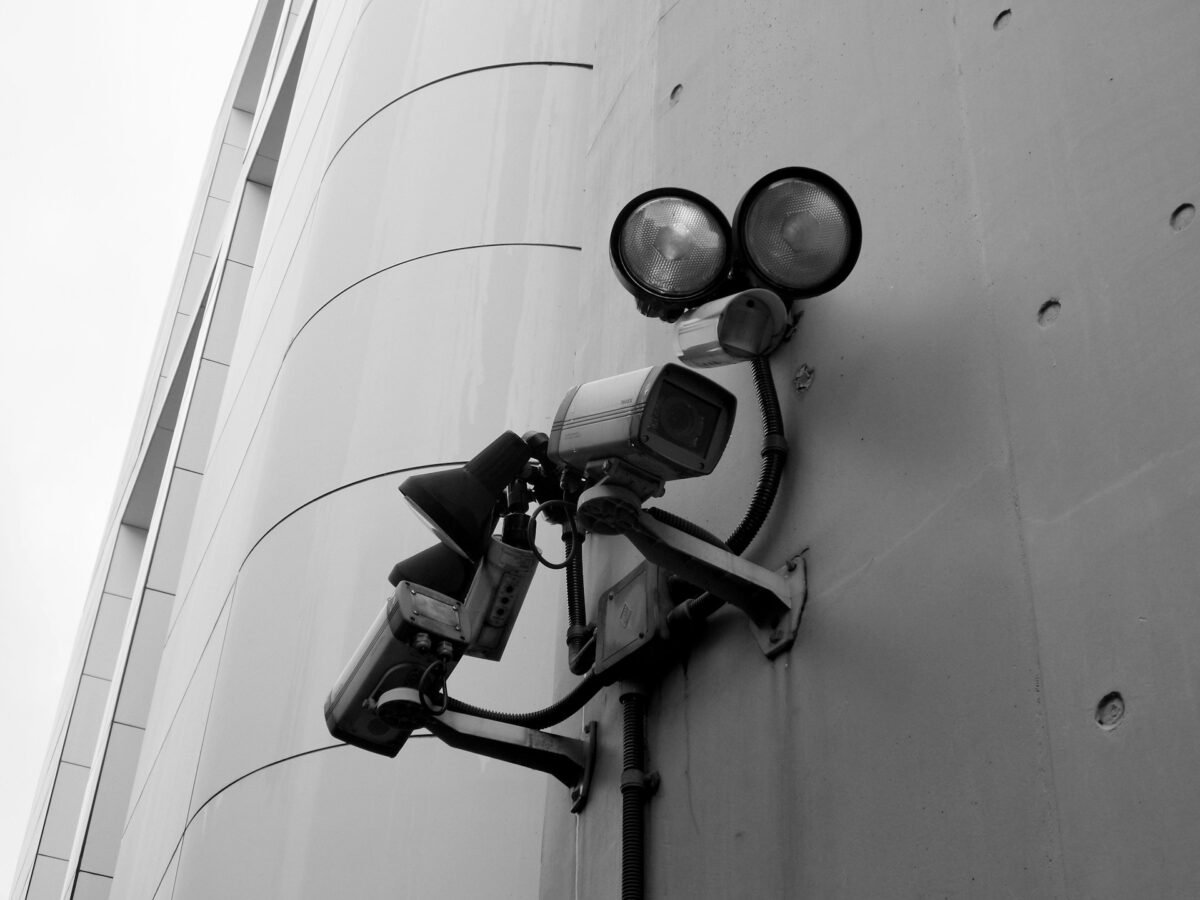
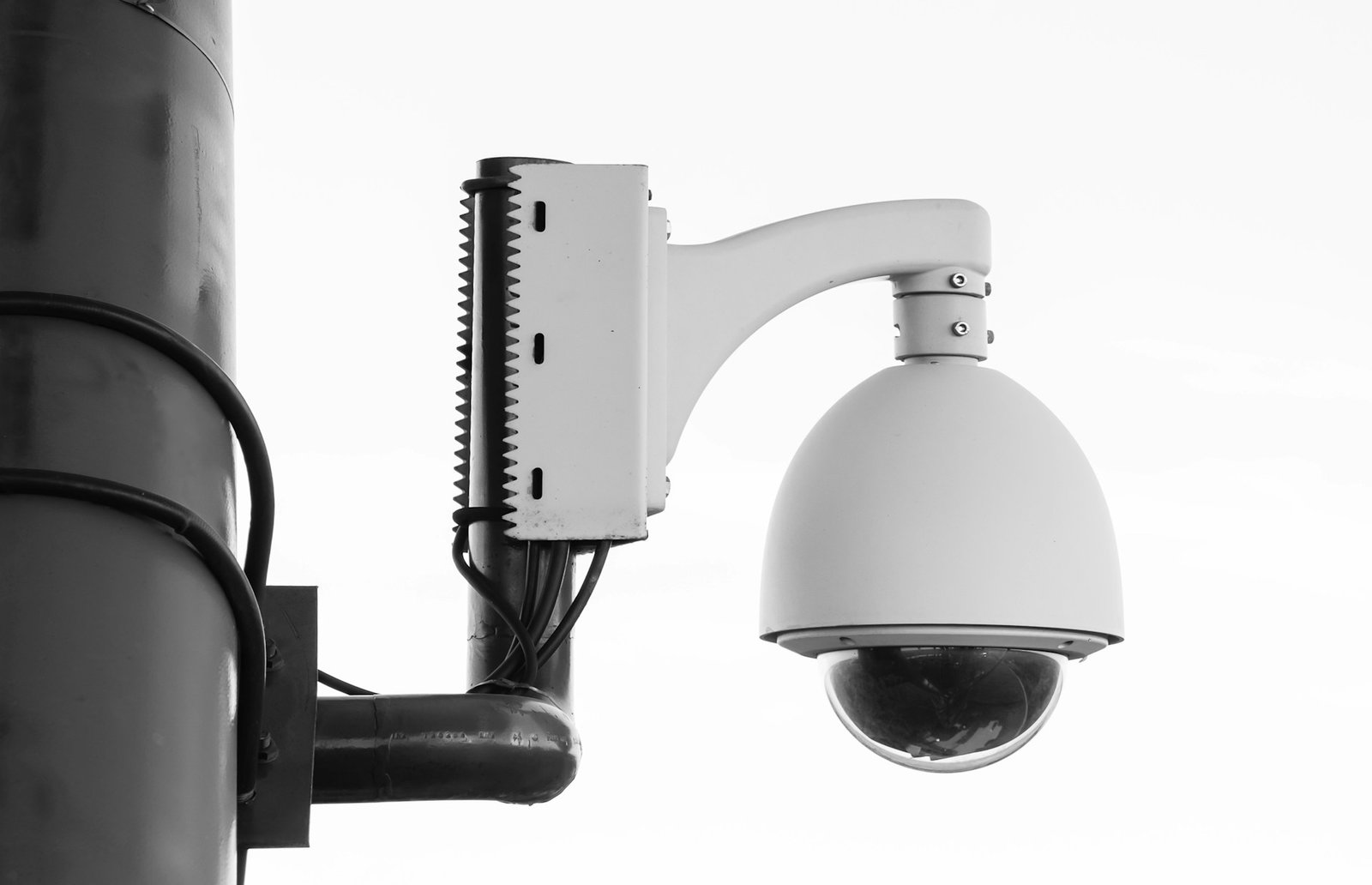
Common camera types include fixed cameras for constant coverage, dome cameras for discreet indoor use, bullet cameras for visible outdoor monitoring, and PTZ (pan-tilt-zoom) cameras that can move and zoom to track activity. Cameras are also rated differently for indoor and outdoor use, with outdoor models built to withstand weather, dust, and temperature changes.
Recording and Storage
Once footage is captured, it is recorded and stored for later access.
DVR (Digital Video Recorder) systems are typically used with analog cameras, while NVR (Network Video Recorder) systems work with IP cameras that send footage over a network.
Storage can be local, such as hard drives installed on-site, or cloud-based, where footage is stored securely online. Local storage offers direct control, while cloud storage allows easier remote access and off-site backup.
Monitoring and Access
CCTV footage can be monitored in real time or reviewed later. Many systems include on-site monitors where live video is displayed continuously.
Modern CCTV systems also provide remote access through mobile apps or web platforms. This allows users to view live footage, check recordings, and receive alerts from a smartphone or computer, making monitoring possible even when away from the property.
Simple CCTV System Flow (UX Tip)
📷 Cameras → 💾 Recorder & Storage → 🖥️ Monitor / 📱 Mobile App
When Are CCTV Camera Systems Used in Homes?
CCTV camera systems are commonly used in homes to improve security, visibility, and peace of mind. Rather than being limited to high-risk situations, residential CCTV is often installed to monitor everyday activity, deter unwanted access, and stay informed about what’s happening around the property.
Home Security and Break-In Prevention
One of the most common reasons homeowners use CCTV is to protect against break-ins. Cameras are typically positioned around key entry points such as front and back doors, driveways, side access points, and backyards.
By monitoring these areas, homeowners can identify suspicious activity early and reduce blind spots around the property. Even when incidents don’t occur, recorded footage provides reassurance that entry points are being watched.
Package Theft and Property Monitoring
With more deliveries arriving at residential addresses, CCTV systems are increasingly used to monitor front doors and outdoor areas. Front-facing cameras help track deliveries, confirm drop-off times, and review activity if items go missing.
Motion detection zones allow cameras to focus on specific areas, such as walkways or gates, reducing unnecessary alerts while still capturing relevant movement around the home.
Monitoring While Away
CCTV systems are also valuable when homeowners are away for extended periods. This includes holidays, FIFO work schedules, or regular travel.
Remote access allows homeowners to check live footage at any time, confirm that the property is secure, and respond quickly if unexpected activity is detected. This added visibility can be especially helpful when properties are left unattended for days or weeks at a time.
Family and Safety Awareness
Some households use CCTV for general safety and awareness rather than security alone. Cameras can help parents know when children arrive home from school or allow families to keep an eye on elderly relatives who may need extra support.
In these situations, CCTV is used as a monitoring tool rather than a surveillance measure, helping households stay informed without constant physical supervision.
When Are CCTV Camera Systems Used in Businesses?
Businesses use CCTV camera systems for more than basic security. In commercial environments, CCTV supports loss prevention, workplace safety, accountability, and day-to-day operational oversight. These systems are commonly installed across a wide range of industries, from retail and offices to warehouses and construction sites.
Theft Prevention and Loss Reduction
One of the primary reasons businesses install CCTV is to reduce theft and inventory loss. In retail environments, cameras help deter shoplifting and monitor high-risk areas such as checkout zones and aisles.
In non-retail settings, CCTV is often used in stockrooms, storage areas, and loading docks where valuable goods are stored or handled. Monitoring these spaces helps identify patterns of loss and reduces both external theft and internal shrinkage.
Workplace Safety and Liability
CCTV systems are frequently used to improve workplace safety and manage liability. Recorded footage allows businesses to review incidents such as slips, falls, or equipment-related accidents.
This footage can also support insurance documentation and claims by providing an accurate record of events. Rather than relying solely on written reports or recollections, businesses can reference video evidence to clarify what occurred.
Access Control and Staff Oversight
Cameras are commonly positioned at building entrances, exits, and restricted areas to monitor who enters and leaves the premises. This helps businesses track access during operating hours and identify unauthorised entry after hours.
In some environments, CCTV also supports staff oversight by confirming attendance, monitoring closing procedures, and reviewing activity during night shifts or low-traffic periods.
Operational Oversight
Beyond security, many businesses use CCTV to gain better visibility into daily operations. Warehouses use cameras to monitor workflows and safety compliance, while construction sites rely on CCTV to track site activity and protect equipment.
Offices and commercial premises may use CCTV to observe common areas, manage visitor movement, and ensure policies are being followed without constant on-site supervision.
Home vs Business CCTV Systems – Key Differences
While home and business CCTV systems may look similar on the surface, they are designed for very different needs. The scale, storage requirements, monitoring access, and legal considerations can vary significantly depending on whether a system is installed in a residential or commercial environment.
Key Differences at a Glance
| Feature | Home CCTV Systems | Business CCTV Systems |
| Camera count | Lower (typically 2–6 cameras) | Higher (often 8–32+ cameras) |
| Storage needs | Short-term footage retention | Long-term footage retention |
| Monitoring | Mobile-first, single-user access | Multi-user access and permissions |
| Compliance | Minimal legal considerations | Privacy, workplace, and compliance requirements |
How These Differences Affect Use
Home CCTV systems are generally designed for simplicity. They focus on monitoring key areas such as entry points and outdoor spaces, with easy access through mobile apps and shorter storage periods.
Business CCTV systems, on the other hand, are built to scale. They often cover larger areas, require longer video retention, and allow multiple authorised users to access footage. Businesses must also consider privacy laws, workplace policies, and data protection obligations when installing and managing CCTV.
Understanding these differences helps ensure the system chosen matches the environment it is intended to protect, rather than applying a one-size-fits-all approach.
Types of CCTV Camera Systems Explained
- Analog CCTV Systems
- IP (Network) CCTV Systems
- Wireless CCTV Systems
- Smart CCTV Systems
CCTV camera systems come in several different types, each designed for specific environments, budgets, and security needs. Understanding the main system types makes it easier to choose a solution that fits the size of the property and the level of monitoring required.
Analog CCTV Systems
Analog CCTV systems are one of the most traditional and widely used options. They are generally more budget-friendly and suitable for smaller areas that require basic video monitoring.
These systems use analog cameras connected to a DVR to record footage. While image quality is lower compared to newer technologies, analog CCTV remains a practical choice for small homes, workshops, or businesses that need straightforward coverage without advanced features.
IP (Network) CCTV Systems
IP CCTV systems use network-connected cameras to transmit video digitally. These systems are known for their higher resolution and clearer image quality, making it easier to identify faces, vehicles, or fine details.
Because IP systems are highly scalable, they are commonly used in business environments where multiple cameras, longer storage periods, and future expansion are required. They also support advanced features such as remote access, system integration, and flexible camera placement.
Wireless CCTV Systems
Wireless CCTV systems reduce the need for extensive cabling by transmitting video signals wirelessly. This makes installation more flexible, especially in homes, rental properties, or locations where running cables is difficult.
While cameras still require power, wireless systems are often easier to relocate or expand. They are commonly chosen for residential use where convenience, quick setup, and minimal disruption are priorities.
Smart CCTV Systems
Smart CCTV systems combine modern camera hardware with intelligent software. These systems often include AI-based detection that can differentiate between people, vehicles, and general movement.
Smart CCTV systems typically offer app-based alerts, cloud storage options, and integration with other smart home or business security tools. They are well-suited for users who want real-time notifications, remote control, and advanced monitoring features without constant manual oversight.
Final Thoughts – Choosing CCTV Based on Use, Not Hype
Choosing a CCTV camera system is less about following trends and more about understanding how the system will actually be used. Homes and businesses face different risks, operate in different environments, and require different levels of monitoring and storage.
Residential CCTV systems are often focused on visibility, awareness, and peace of mind, while business systems are built to support safety, accountability, and ongoing operations. Applying the same setup to both can lead to unnecessary complexity or gaps in coverage.
By understanding what CCTV camera systems do and when they are most effective, homeowners and business owners can make informed decisions that support long-term security needs. An education-first approach helps ensure the system fits the purpose, rather than being driven by features that may never be used.
FAQs
Do CCTV Cameras Work Without Internet?
Yes, many CCTV cameras can work without an internet connection. Cameras can record footage locally to a DVR or NVR system even when offline. Internet access is only required for remote viewing, mobile alerts, and cloud-based storage, not for basic recording functions.
Are CCTV Cameras Always Recording?
CCTV cameras can record in different ways depending on system settings. Some systems use continuous recording, capturing footage at all times, while others rely on motion-based recording that activates only when movement is detected. Motion recording helps save storage space and makes reviewing footage easier.
Is CCTV Legal in Homes and Businesses?
CCTV is generally legal in homes and businesses when used responsibly. Cameras should not record areas where people expect privacy, such as bathrooms or private spaces. Businesses may also need to consider workplace privacy and notification requirements. Local laws and regulations should always be reviewed before installation.
How Long Is CCTV Footage Stored?
CCTV footage retention varies based on storage capacity and recording settings. Home systems typically store footage for a few days to a few weeks, while business systems often retain footage for 30 to 90 days or longer, depending on operational or compliance needs.