

South Korea does not present itself as a sequence of periods.
It feels more like a surface where different times remain visible at once.
You move through places where memory and momentum share the same ground, neither claiming priority. The country does not pause to explain these overlaps. They simply persist, shaping how space is used and how movement feels.
What becomes noticeable over time is not contrast, but adjustment. You slow briefly, then accelerate again. Reflection appears, then dissolves into routine. The layers remain, but they do not demand interpretation.
Memory Without Framing
Remembrance in South Korea rarely announces itself. It appears in open ground, in paths that continue through places of significance, in spaces that remain accessible rather than enclosed.
You encounter memory incidentally — while walking, resting, passing through. Nothing asks you to stop. Nothing asks you to move on. The choice remains yours, and that freedom keeps remembrance present without making it perform.
Memory here blends into circulation.
Travel That Maintains Continuity
Movement across the country rarely feels disruptive. Transitions soften. Distance compresses without urgency.
Networks such as Korea Trains extend existing habits of movement rather than redefining them. You travel without bracing. Attention drifts.
Journey becomes condition rather than event.
Built Space That Holds Stillness
Certain spaces hold attention differently. Walls enclose without isolating. Courtyards open inward. Sound changes subtly.
These places do not explain why they matter. They slow posture before they slow thought. You feel the difference before you recognise it.
Stillness operates as atmosphere, not instruction.
Palaces as Quiet Intervals
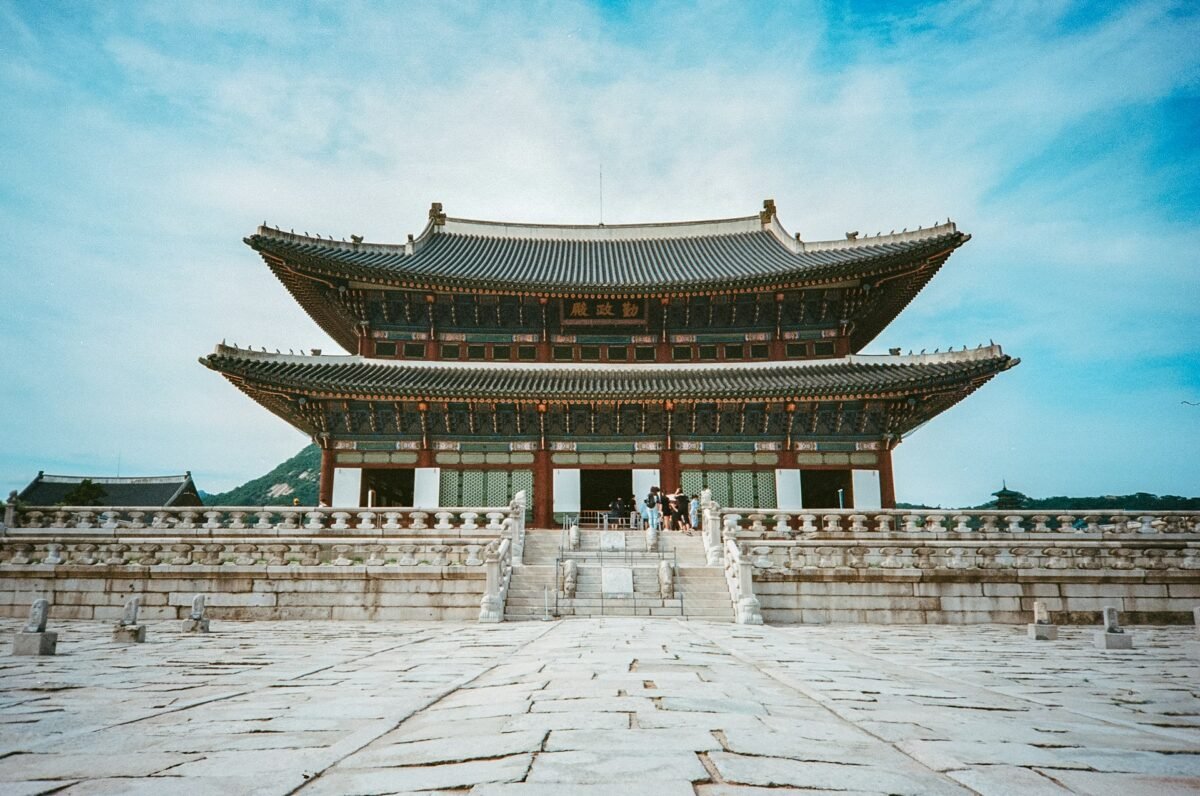
Palace grounds in South Korea feel less like destinations and more like intervals. You enter, adjust, and exit without ceremony.
In Seoul, these spaces interrupt density without opposing it. Walls mark boundaries, yet the city presses close. Inside, movement loosens. Outside, it resumes.
The transition feels practiced rather than dramatic.
Form That Does Not Compete
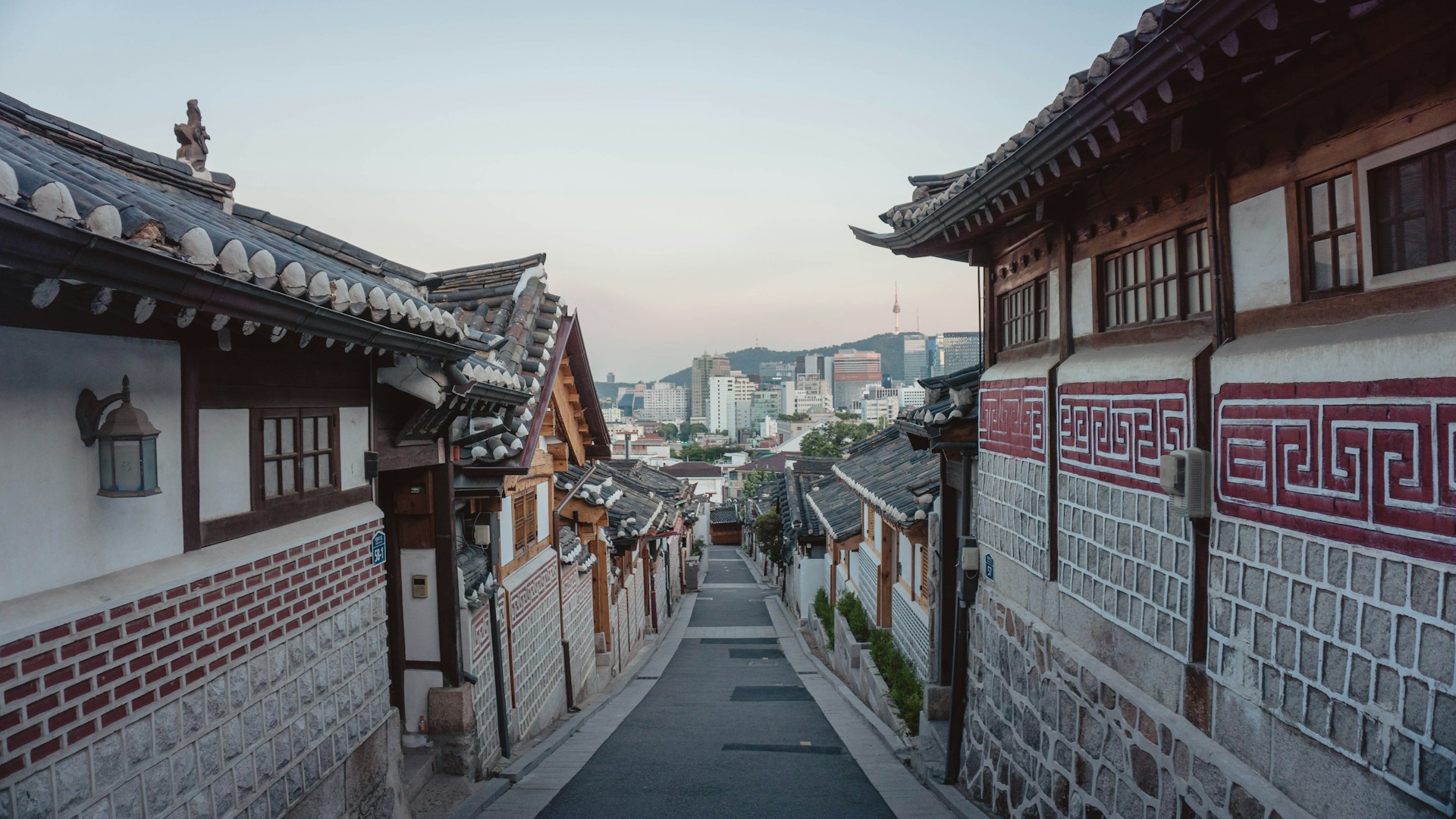
Traditional architecture here does not assert itself against the modern city. It remains low, repetitive, and inward-facing.
These forms persist because they still function — as shelter, as rhythm, as pause. They coexist with glass and steel without explanation.
The past remains present by remaining usable.
Leaving Seoul Without Leaving Its Rhythm
Departing the capital does not feel like stepping away from its influence. Density thins gradually. Pace adjusts.
Routes like the Gwangju to Seoul train allow this shift to happen without rupture. Landscapes open. Cities quieten. The underlying rhythm holds.
Arrival feels absorbed, not declared.
Gwangju and the Weight of Presence
In Gwangju, public space carries gravity without ceremony. Streets remain active. Squares hold significance quietly.
You sense restraint rather than display. Movement slows slightly. Conversation softens. Nothing directs behaviour, yet behaviour adjusts.
Memory operates as tone.
Memorials That Remain Permeable
Memorial spaces here rarely stand apart. Paths cross them. People pass through them.
They are not designed to halt movement, only to receive it. Reflection becomes possible without being prescribed.
These spaces remain open by design and by habit.
Speed as Familiar Condition
What stands out is how little spectacle speed creates. Systems operate continuously. Innovation settles fast.
Hypermodern life becomes background almost immediately. The future does not announce itself. It blends in.
Acceleration here feels ordinary.
Streets That Do Not Wait
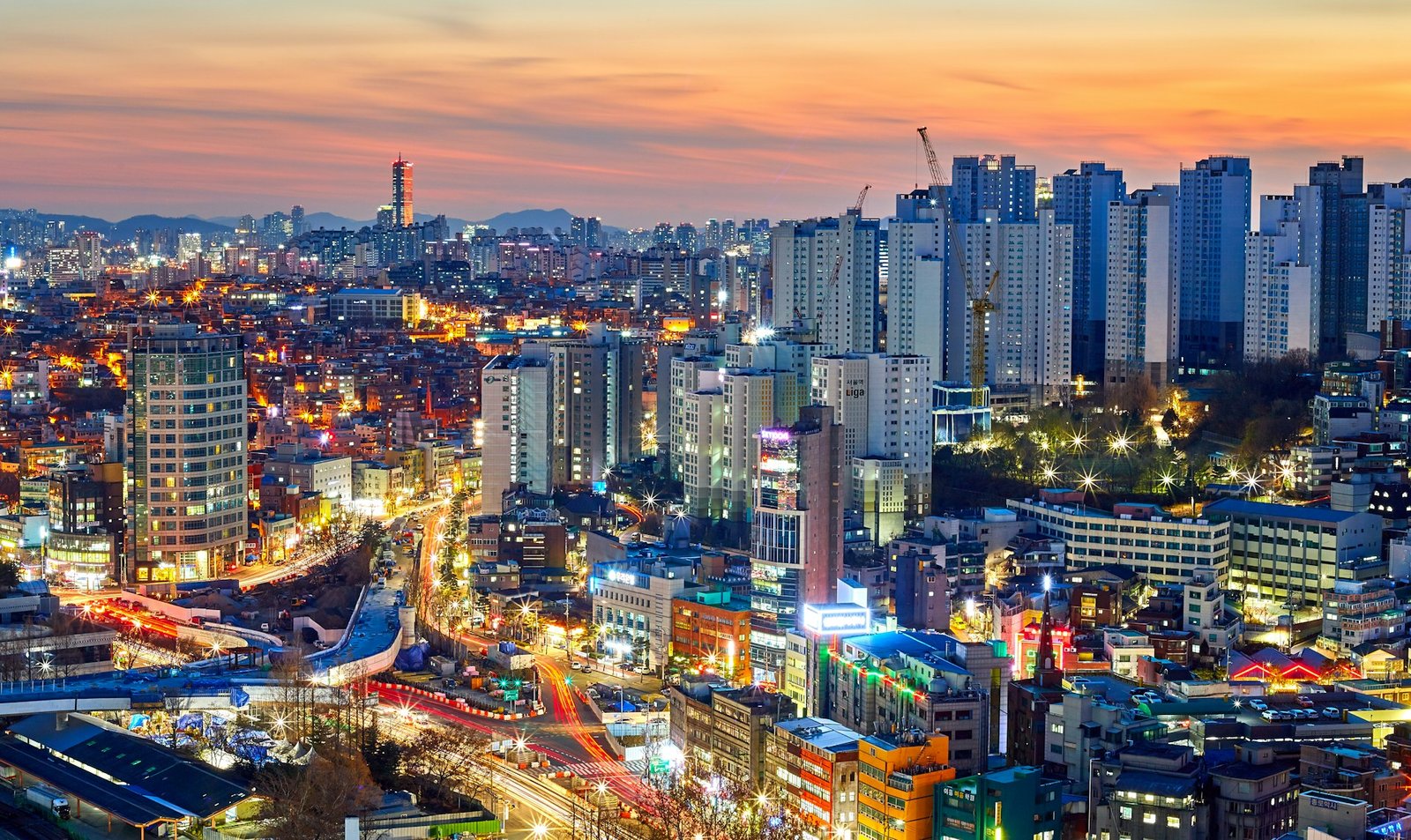
Outside these quieter spaces, movement accelerates quickly. Screens brighten. Sound layers. Direction multiplies.
South Korea’s hypermodern streets do not erase what came before them. They move alongside it. New routes follow old ones. Density builds where circulation already exists.
Modernity arrives by addition, not replacement.
Daily Life Between Registers
One of South Korea’s defining qualities is how easily you move between registers — from reflection to speed, from quiet to density.
These shifts do not feel jarring. They feel learned. The country has practiced holding both states at once.
Life continues in between.
Cities That Absorb Change
Urban change here does not arrive as rupture. It layers itself onto what already exists.
Older neighbourhoods adjust. New districts settle quickly. Familiarity builds faster than novelty fades.
The city absorbs transformation without pausing to mark it.
Repetition as Understanding
Understanding South Korea does not come from explanation. It comes from repetition — seeing the same place under different conditions, noticing how attention shifts before thought does.
You learn where pace loosens. Where silence fits. Where speed feels natural.
The environment teaches indirectly.
Time That Refuses Separation
Past, present, and future do not occupy separate zones here. They overlap constantly.
A palace wall shadows a busy street. A memorial path intersects a commuter route. Neon reflects off older stone.
Time layers instead of replacing itself.
What Persists
What remains is not a story about contrast, but a familiarity with coexistence. Memory and momentum continue side by side, neither dominating.
South Korea does not resolve its layers. It carries them forward — quietly, continuously, and without pause.
The country moves on without leaving anything fully behind.
Layers That Do Not Settle
Over time, you realise that the layers you noticed never fully separate themselves. They continue to overlap in memory the same way they do on the ground. A quiet space appears while you are thinking about speed. A crowded street returns when you remember stillness. The country resists being sorted, and that resistance becomes part of how it stays legible.
Adjusting Without Deciding
What lingers most is not any single place, but the ease with which attention shifts. You learn to slow without choosing to, to move quickly without feeling hurried. These adjustments arrive physically before they become conscious, shaped by repetition rather than instruction. The environment teaches through presence, not explanation.
Coexistence That Travels With You
Even after leaving, the sense of coexistence remains. You begin to recognise it elsewhere — moments when old and new occupy the same space without conflict, when movement continues without erasure. South Korea does not close its layers behind you. It leaves them slightly open, allowing memory and momentum to continue side by side, unresolved and quietly intact.