







Disposable vapes have become a popular choice for many people who want a simple and easy option.
However, the process of selecting the right device can be more complex than it appears at first glance.
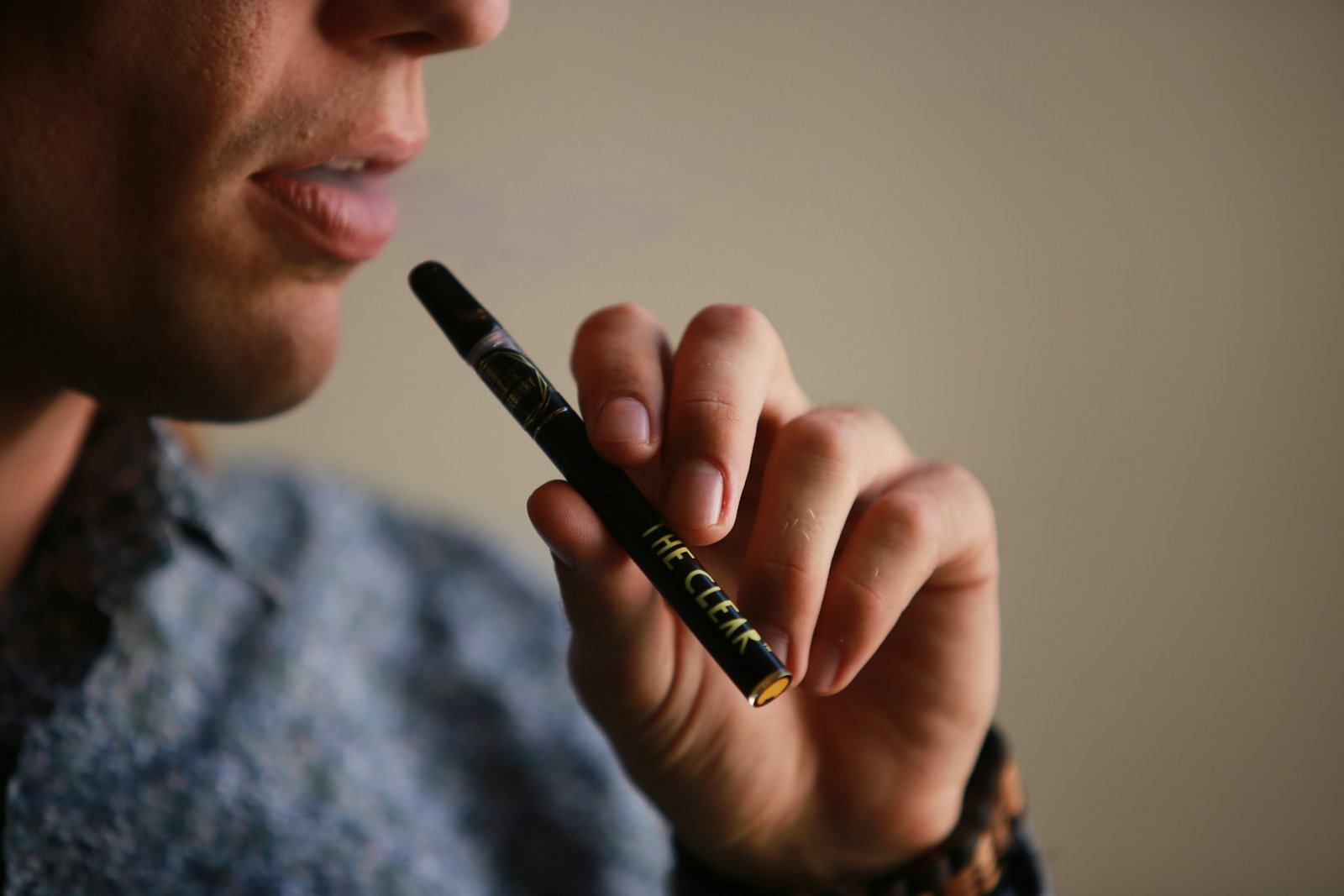
Many buyers make avoidable errors that lead to poor experiences, wasted money, or devices that don’t meet their needs.
Understanding common purchasing errors helps shoppers make better decisions and find products that actually work for them. These mistakes range from selecting the wrong nicotine levels to overlooking important features like battery life and puff style. Poor choices in flavor selection and device quality can also significantly impact satisfaction with the product.
This guide explores the most frequent errors people make when they purchase disposable vapes. By learning what to avoid, buyers can choose devices that match their preferences and deliver a better overall experience.
Choosing the wrong nicotine strength
Many people select the wrong nicotine level without understanding how it affects their experience. This mistake happens more often than most realize, especially with budget-friendly vape disposables that come with preset strengths.
Too much nicotine creates harsh throat hits and can cause dizziness or nausea. These effects make the experience uncomfortable and may turn people away from vapes completely. However, too little nicotine leaves users unsatisfied, which leads them to puff more frequently than necessary.
Former heavy smokers usually need higher strengths like 5% to feel satisfied. Light or social smokers do better with lower levels between 1% and 3%. The right strength depends on previous habits and personal tolerance.
People often guess their nicotine needs instead of matching them to their actual habits. This approach wastes money and creates frustration. Therefore, anyone who switches from cigarettes should consider how much they smoked per day before they select a strength level.
Exploring alternatives when disposable vapes don’t meet expectations
Some buyers assume disposable vapes will fully match their preferences, but that is not always the case. After trying a few devices, some people realize they prefer a different style of smoking experience or a setup that offers more control over airflow and filtration. This is why many users eventually explore alternative options beyond disposables.
For example, traditional glass pieces like a pink bong offer a completely different approach compared to disposable devices. They allow users to enjoy smoother filtration through water and can be reused for a long time. While disposables remain convenient, understanding that other options exist helps buyers avoid frustration if their first choice does not fully satisfy their preferences.
Ignoring reputable brands in the wider smoking market
Another mistake people make is focusing only on the device itself without considering the reputation of brands in the broader smoking accessories industry. The quality standards of the companies behind these products often determine durability, safety, and overall reliability.
Established companies such as Mamba Brands are known for investing more in product design and quality control across different types of smoking accessories. Choosing products from reputable manufacturers helps ensure better materials and more consistent performance. Even when shopping for disposable vapes or related products, brand credibility remains an important factor that many buyers overlook.
Buying low-quality or counterfeit products
Fake disposable vapes flood the market and put users at serious risk. These counterfeit products often contain poor-quality batteries that can fail or cause safety problems. The e-liquids in fake vapes may include harmful substances that legitimate manufacturers avoid.
Counterfeit vapes lack proper quality control. Manufacturers of fake products use cheap materials and skip safety standards to cut costs. Nearly 70 percent of people bought a counterfeit product online at least once in the past year, according to research from Michigan State University.
People should check for authentic packaging and verify purchase sources. Counterfeit products often show signs of rushed production, such as poor printing quality or spelling errors on labels. Buyers can protect themselves by purchasing from authorized retailers instead of unknown third-party sellers.
The price tag can signal trouble. Products sold far below normal retail prices often turn out to be fakes. Consumers need to stay alert and question deals that seem too good to be true.
Ignoring battery life and device capacity
Many people buy disposable vapes without checking the battery size or puff count. This mistake often leads to frustration because the device runs out faster than expected.
Battery capacity varies between different models. A vape with a small battery might only last a day or two for regular users. In contrast, devices with larger batteries can provide several days of use. Shoppers should look at the mAh rating, which shows battery strength.
Puff count matters just as much as battery life. Some disposables offer 300 puffs, while others provide 5,000 or more. However, actual use depends on how long each puff lasts.
People who vape frequently need devices with higher capacity. Someone who takes just a few puffs per day can choose a smaller option. The key is to match the device size to personal habits. Without this consideration, buyers end up with products that die too soon or cost more than necessary.
Selecting flavors without testing samples
Many people buy disposable vapes based on flavor names or descriptions alone. This approach often leads to disappointment because flavor profiles can vary between brands. What one company calls “strawberry” might taste completely different from another brand’s version.
Shoppers who skip the testing phase waste money on products they don’t enjoy. However, not all stores offer sample stations where customers can try flavors before they buy. Some vapers order multiple flavors online without any prior experience with the taste. This strategy can backfire if none of the flavors match their preferences.
The best practice involves trying samples at a vape shop before making a purchase. Staff members can guide customers toward flavors that match their taste preferences. For those who must order online, starting with smaller quantities or variety packs helps reduce the risk. Reading detailed reviews from other users also provides insight into how flavors actually taste compared to their descriptions.
Overlooking puff style compatibility (MTL vs DTL)
Many people buy disposable vapes without understanding the two main vape styles. MTL stands for mouth-to-lung, which mimics how smokers inhale cigarettes. DTL means direct-to-lung, where vapor goes straight into the lungs like a deep breath.
Most disposable vapes use MTL style because it feels familiar to former smokers. However, some disposables offer DTL for those who prefer bigger vapor clouds. The problem starts when buyers don’t check which style their device uses.
MTL devices need tighter airflow and work better with higher nicotine levels. DTL devices have wider airflow and typically require lower nicotine content. Someone who buys a DTL disposable expecting an MTL experience will likely feel disappointed with the throat hit and vapor production.
New vapers should consider their smoking background before purchase. Former cigarette smokers usually adapt better to MTL devices first. Those who never smoked or want large vapor clouds might prefer DTL options instead.
Conclusion
Buyers can avoid common pitfalls by paying attention to a few key factors before purchase. Nicotine strength matters because too much causes discomfort while too little fails to satisfy cravings. Battery life and puff count affect how long a device lasts, so shoppers should check these specs carefully.
Price and flavor selection also play important roles in satisfaction. Buyers who research products and read reviews tend to make better choices. These simple steps help people find devices that meet their needs without waste or disappointment.