

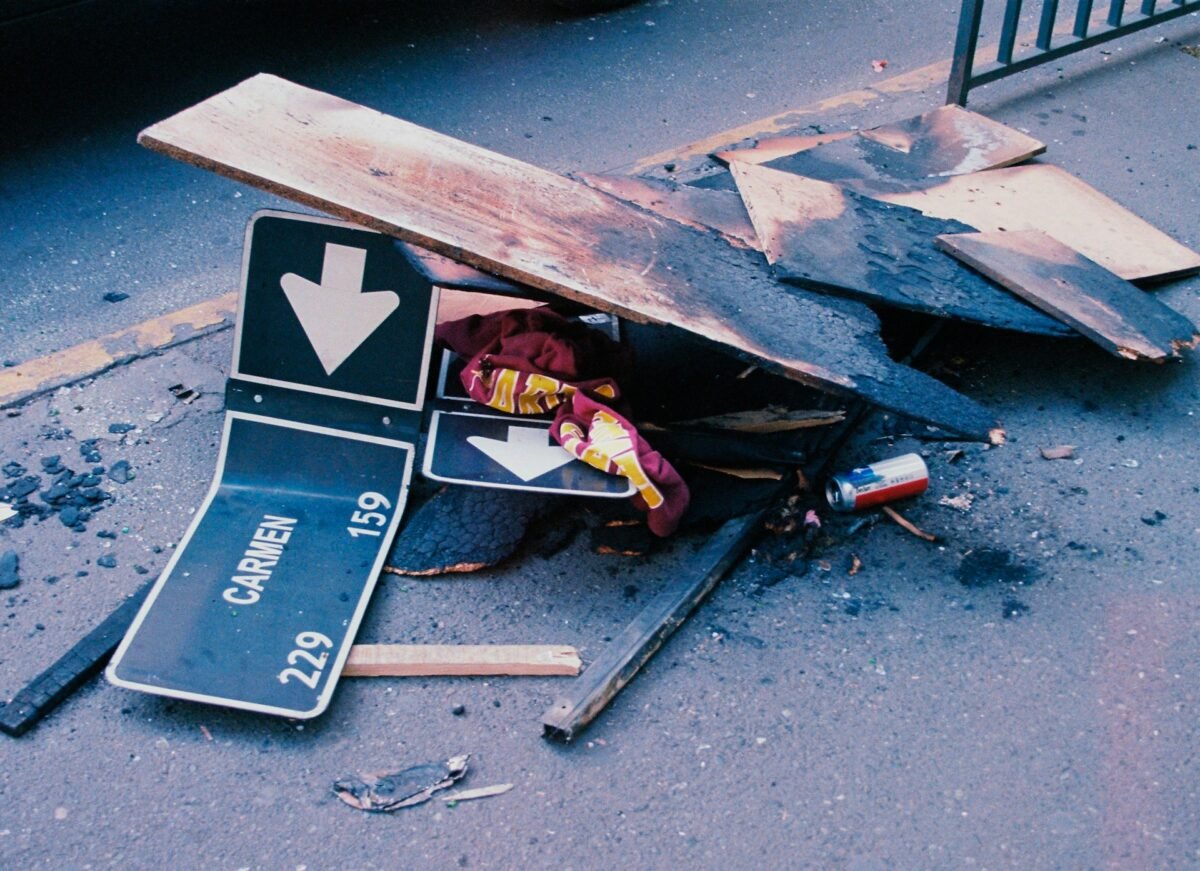

A fatal accident site does not pause for clarity.
Everything moves in active motion, where people respond first and record second.
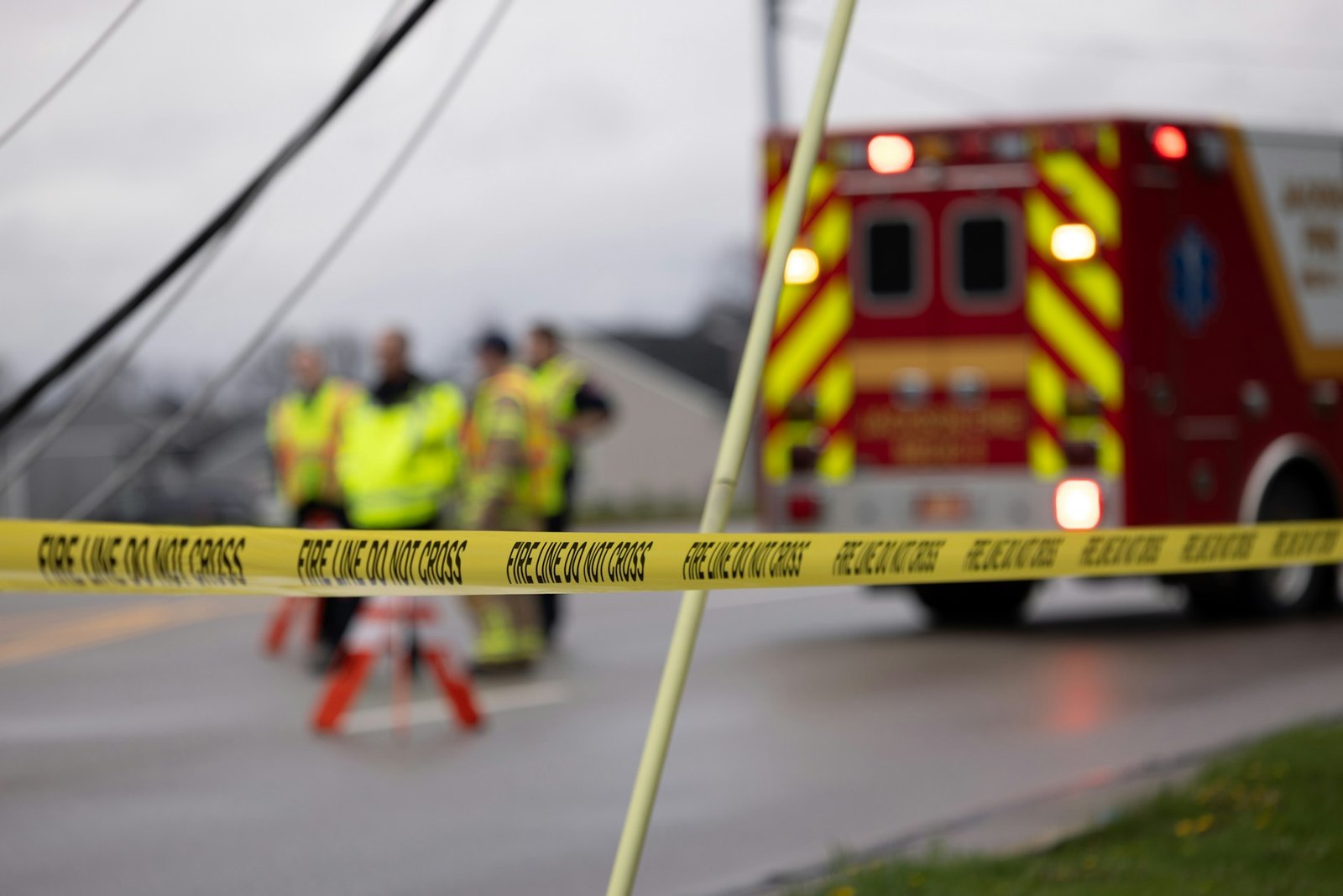
Sirens, urgent communication, and quick decisions all happen together, leaving very little space for structured documentation.
In this setting, early notes become the first layer of record, shaped by what can be seen and captured in the moment rather than what can be fully understood. This is often where legal support after a fatal accident later becomes connected to how information is reviewed, since early records form the base of all future interpretation.
These early records do not follow a fixed structure. They reflect immediate conditions, short observations, and fragmented details gathered from different directions. Even though they are written with care, they carry the pace and pressure of the scene itself. Over time, these notes become part of a larger system of documentation that continues long after the site has cleared.
Shift From Field Recording to Structured Case Documentation
Once the immediate response ends, the focus slowly moves from action to organization. Information that was gathered in real time is now reviewed, sorted, and placed into formal reports. This stage marks the beginning of structured documentation, where scattered details are arranged into a clearer format for future reference.
At this point, legal support after a fatal accident often connects with how these records are understood and evaluated, since the structure of documentation begins to influence how the entire situation is read later.
- Incident reports created from multiple early inputs
- Emergency and medical records aligned into formal timelines
- Police and investigation notes are structured into official case files
- Early inconsistencies were either clarified or carried forward
This process creates order out of scattered information. However, it still depends heavily on what was recorded during the early, fast-moving stage. The shift from field notes to structured records does not replace earlier information. It reorganizes it into a form that can be reviewed more easily, even if some original detail has already changed in presentation.
How Evidence Drift Begins Across Documentation Layers
As records move from on-site documentation into formal case files, small differences begin to appear. These differences do not always come from mistakes. They often arise from timing gaps, rewriting, and the natural process of converting spoken or observed details into structured reports.
This is where evidence starts to shift slightly in form, even if the core facts remain the same. The way information is written, grouped, or summarized can slowly change how the sequence of events appears.
- Live observations reduced into summary notes
- Minor details removed during report consolidation
- Event order adjusted to fit reporting structure
- Similar incidents are described in different wording
These changes are subtle, but they build what is often referred to as evidence drift. It becomes visible only when multiple versions of the same event are placed side by side and compared carefully.
Multiple Record Streams That Shape the Case File
Fatal accident cases rarely rely on a single document. Instead, they are built from several parallel record streams that capture different parts of the same situation. Each stream is created under different conditions and at different times, which naturally leads to variation in detail and structure.
- Emergency response logs created during active conditions
- Witness statements collected at different intervals
- Medical records were developed after initial treatment
- Administrative files are completed once the situation stabilizes
These records do not always match perfectly, but together they form a layered structure. Each layer adds a different perspective, and each one carries its own timing and context. The combination of these streams is what eventually shapes the full case file.
Legal Assessment That Rebuilds the Sequence of Events
Formal legal review works by taking these layered records and arranging them into a single, understandable sequence. The focus shifts from individual documents to how they connect with each other over time. This process involves careful comparison and alignment of all available information.
During this stage, legal support after a fatal accident often becomes part of how documentation is interpreted, as the review process depends heavily on understanding how different records relate to each other.
- Matching overlapping reports to identify consistency
- Aligning medical and incident timelines into one flow
- Identifying missing or unclear time gaps
- Reconstructing sequence from fragmented entries
The aim is to build a coherent timeline that reflects all available information, even when it comes from different sources and recording styles. This reconstructed sequence helps bring structure to what was originally a fast moving and layered situation.
Conclusion
Across fatal accident cases, evidence drift is not treated as a flaw but as a natural result of how information moves through different stages. From the moment of the incident to the final legal review, each step reshapes how details are recorded and understood.
The difference between on-site documentation and formal assessment reflects the distance between real-time events and structured analysis. The final understanding of a case depends on how these layers are connected, compared, and interpreted as a whole.