

You hear the drip before you see it, a slow, uneven sound that shows up during a storm and then disappears by morning, like it never happened. It is easy to ignore at first. But over time, the problem does not stay small. It spreads quietly, usually in places you are not checking.
In areas like Olympia, where steady rain and damp air are part of daily life for much of the year, roofs take a different kind of beating. Moisture lingers longer than it should, and small weaknesses tend to grow faster than expected. What looks like a minor issue in dry weather can turn into something more serious when the roof never fully dries out. That slow wear adds up, often without clear warning until it becomes harder to manage.
Small Warning Signs That Are Easy to Miss
Small roof issues rarely show up as something dramatic at first. It is usually subtle stuff. A few shingles start to curl a bit, or you notice dark spots that do not rinse off like normal dirt. Sometimes the gutters collect grit that looks like sand, which is actually material wearing off.
Inside, it gets even easier to miss. A light stain on the ceiling, paint lifting in a corner, nothing urgent. So people ignore it. The roof still looks fine from outside, no clear leak. That pause, that waiting, is usually when the damage quietly spreads.
When Repairs Stop Being Enough
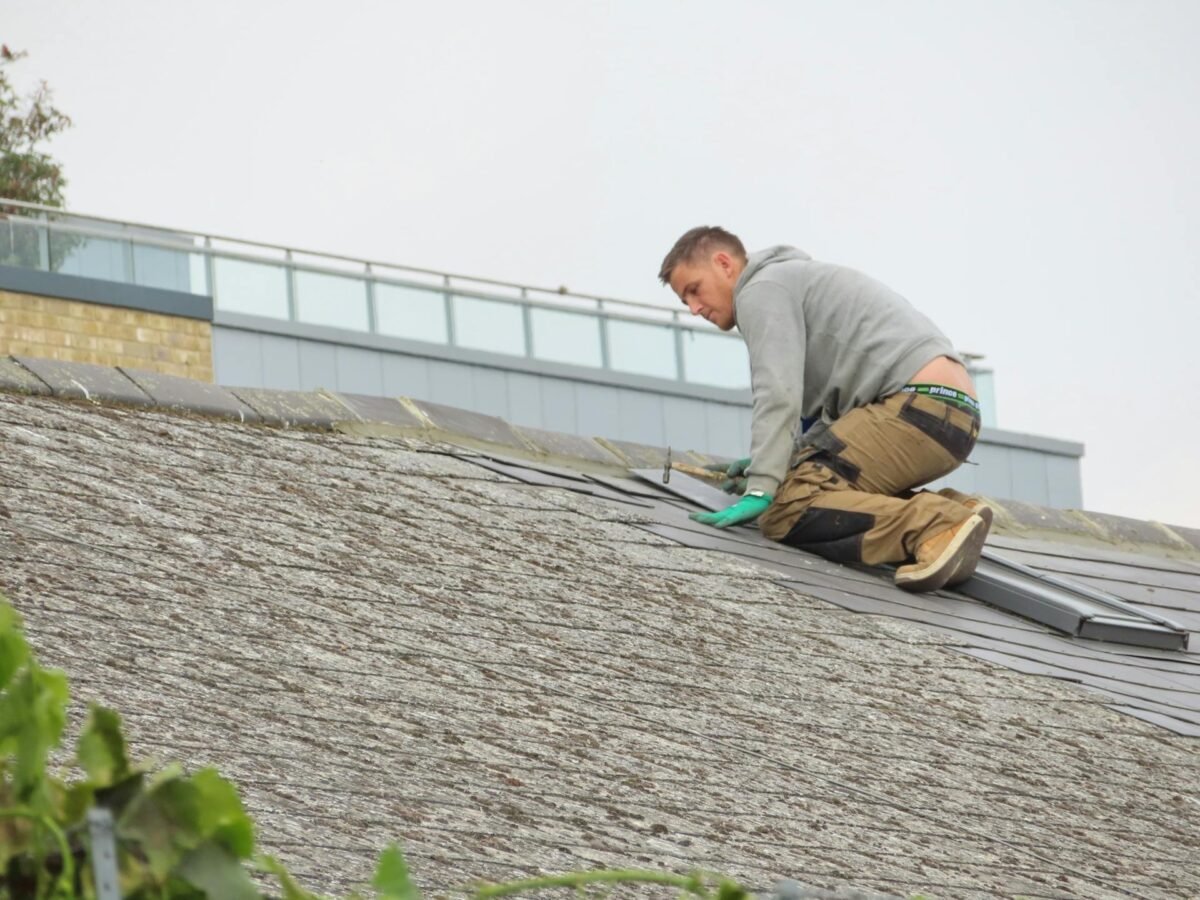
There comes a point where fixing one section at a time no longer solves the real problem. Patching a leak may stop water for now, but it does not address the condition of the surrounding materials. If those materials have already weakened, another issue will likely show up nearby. At this point, you need to reach out to a reliable roof replacement company in Olympia for a lasting solution.
Professionals look at the roof as a whole system rather than a series of parts. The shingles, underlayment, flashing, and ventilation all work together. If several of these elements are aging at the same time, repeated repairs can become more expensive than a full replacement. Many homeowners reach this point without realizing it. They fix one area, then another, and then another. Costs add up slowly. The roof starts to feel unpredictable. That is usually when the conversation shifts from repair to replacement.
Age Plays a Bigger Role Than Most Expect
Roofs are built to last, but they are not built to last forever. Most materials have a general lifespan, though it varies based on weather, installation quality, and maintenance. Asphalt shingles, for example, often last around 20 to 25 years under normal conditions, but that number can drop in harsher climates.
The challenge is that aging does not always look dramatic. A roof can appear fine from a distance while its protective layers are slowly breaking down. Shingles may lose flexibility. Seals around vents and chimneys can weaken. These changes are gradual and easy to miss.
Once a roof reaches a certain age, even small issues should be taken more seriously. Repairs may still be possible, but they are often temporary. The materials no longer respond the way they did when new. This is where many homeowners start to feel that the roof is no longer reliable, even if it has not fully failed.
Water Damage Does Not Stay in One Place
One of the more frustrating aspects of roof problems is how water travels. It rarely enters and stays in the same spot. Instead, it moves along beams, insulation, and other surfaces before showing up somewhere else entirely. This can make it difficult to trace the source of a leak. A stain on the ceiling might not be directly below the problem area. By the time the issue is visible, moisture may have already affected a larger section of the structure.
Over time, this leads to more than just cosmetic damage. Wood can begin to rot. Insulation loses effectiveness. In some cases, mold can develop, especially in areas where air circulation is limited. These issues are harder to fix and often more expensive than addressing the roof earlier.
Energy Bills Start to Shift
This is one of those signs that people notice but do not always connect to the roof. Heating and cooling costs begin to creep up without a clear reason. The system seems to run longer. Certain rooms feel harder to keep comfortable.
A damaged or aging roof can affect insulation and ventilation, which in turn impacts how air moves through the house. If warm air escapes during colder months or heat builds up in the attic during warmer periods, the system has to work harder to maintain balance. The change may be subtle at first. A slightly higher bill. A room that feels off by a few degrees. But over time, these small shifts can point to larger issues above.
Sagging or Uneven Areas
This is one of the more visible signs, though it often appears later in the process. A roofline that no longer looks straight. Areas that seem to dip or curve slightly when viewed from a distance. Sagging can indicate structural problems, often related to prolonged moisture exposure. The underlying supports may have weakened. In these cases, the issue is not just about the surface materials. It involves the structure beneath them.
This kind of damage usually requires more than surface repairs. It often means sections of the roof need to be rebuilt, not just replaced. Waiting at this stage tends to increase both the complexity and cost of the work.
The Quiet Cost of Waiting
There is a tendency to delay roof replacement because it feels like a large, disruptive project. And it is. But the cost of waiting does not stay fixed. It grows, sometimes in ways that are not immediately obvious. Small repairs become frequent. Interior damage begins to add up. Energy costs rise. Stress increases, especially during storms or heavy weather. The roof becomes something you think about more often than you would like.
At some point, the decision shifts from whether to replace the roof to when. Acting earlier often means more control over the process. Waiting too long can turn it into an urgent situation, where options feel limited. Recognizing the signs early does not mean rushing into a decision. It means understanding what is happening and preparing for what comes next. That awareness alone can make the process feel less uncertain, even if the work itself is still ahead.