

Travel is often sold to us as a reward. Work hard, save up, go somewhere beautiful, take the photo, come home changed.
But the older I get, the more I think the real test of travel is not how much wonder you can collect.
It is what kind of person you become while collecting it.
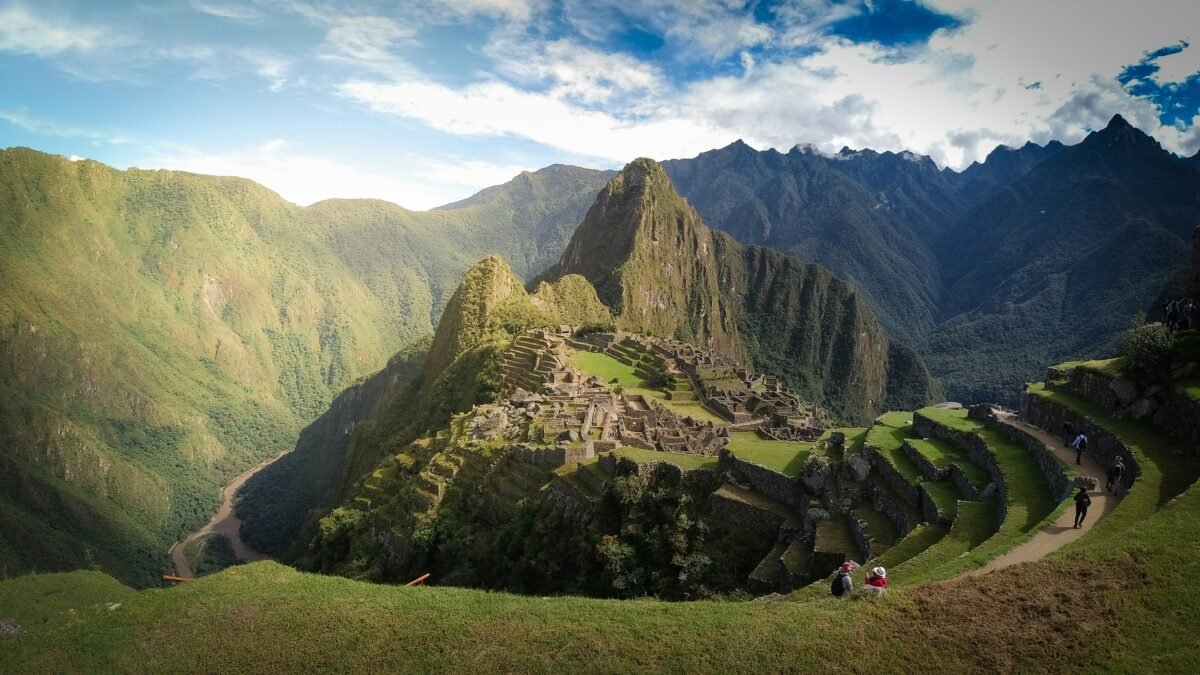
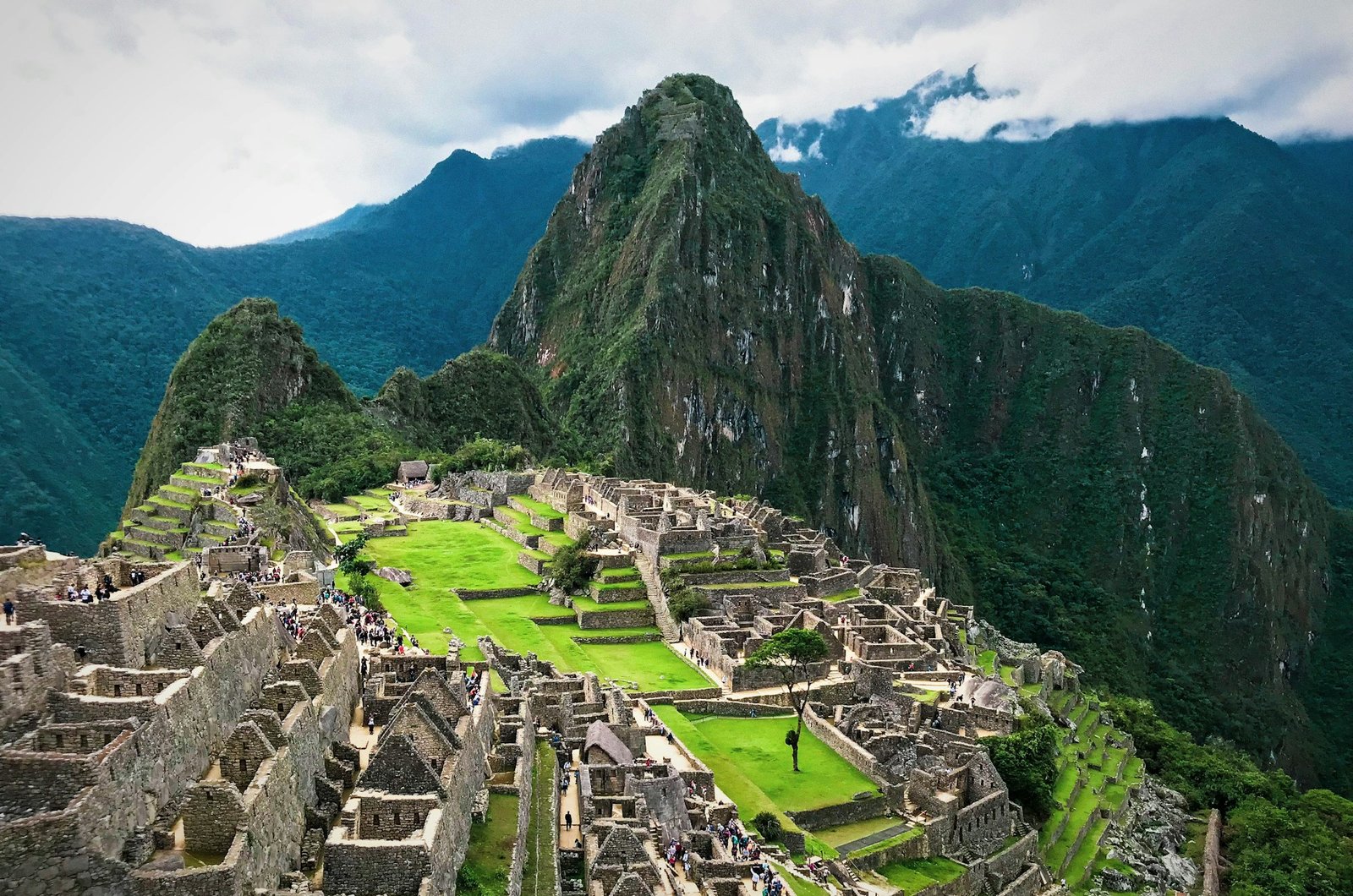
That shift matters in places that inspire almost instant awe. Think of ancient cities, fragile ecosystems, or mountain landscapes that already carry the weight of millions of footsteps and expectations. Dreaming about trips to Machu Picchu makes perfect sense, but the dream feels richer when it includes care, restraint, and curiosity right from the start.
Wonder and responsibility are often framed like opposites, as if you have to choose between being swept away and being careful. In reality, the most memorable travel experiences usually happen when those two things work together. The trip gets better when you stop treating the place like a product and start treating it like a living setting with history, limits, and people who are not there to decorate your vacation.
Wonder feels different when you earn it with attention
A lot of travel advice focuses on what to see. That has its place, of course. But I think one of the best questions to ask before any big trip is this: how do I want to notice this place?
That question changes everything. It moves you away from collecting highlights and toward paying attention. Instead of racing from one viewpoint to the next, you start noticing the shape of the road, the sound of a language you are still learning to hear, the rhythm of a town waking up, the way a sacred or historic place changes the mood of everyone inside it.
That kind of attention makes wonder feel deeper. It is less like consumption and more like connection. It also naturally leads to more responsible behavior, because people tend to protect what they are truly noticing.
Responsibility is not a buzzkill
Some travelers hear words like sustainable, respectful, or low impact and immediately imagine a trip full of guilt and limitations. But responsibility does not ruin travel. It gives it texture. It reminds you that the place you are visiting has needs that exist whether you are there or not.
That might mean reading up on the site before you arrive, using official visitor guidance from resources such as the UNESCO profile for the Historic Sanctuary of Machu Picchu, or thinking more broadly about the role tourism plays in climate and community pressure through guidance from UN Tourism on climate action in tourism.
None of this has to make travel feel heavy. It simply helps you enter with a better sense of proportion. You are there for a meaningful experience, yes, but you are not the main character of the place.
The trip starts before you leave home
One of the easiest ways to balance wonder and responsibility is to realize that your choices begin long before the plane takes off. The flights you choose, the season you travel, the pace of your itinerary, and the amount of pressure you put on yourself to “do it all” all shape the impact of the trip.
People often assume responsibility begins on site, but it starts in planning. A trip with fewer frantic connections, more time in one area, and a realistic schedule usually creates a better experience for you and a lighter footprint overall. Slowing down also helps you avoid a common trap, which is turning an extraordinary destination into a checklist item you barely absorb.
Good planning is not the enemy of spontaneity. It is what makes room for the meaningful kind.
Awe is stronger when it includes humility
There is something humbling about arriving somewhere that has mattered to people for centuries. Places like that do not need us to validate them. They were significant before we got there and they will remain significant after we leave.
That is a useful thing to remember because tourism can quietly train people to expect access, convenience, and personalization at all times. But not every landscape is a backdrop. Not every ruin is a stage. Not every local custom exists for visitors to participate in casually.
Humility makes travel more honest. It helps you ask better questions. What behavior is appropriate here? What should I not photograph? What stories belong to local people first? Where should I step back instead of leaning in? Those questions do not reduce wonder. They sharpen it.
The best souvenir may be a changed habit
People tend to think responsible travel is about what happens during the trip, but I think it can follow you home in practical ways. Maybe you come back more aware of overtourism. Maybe you become more thoughtful about where you spend your money. Maybe you start valuing depth over speed in other parts of life too.
That is one reason this topic matters. Balancing wonder and responsibility is not just about being polite on vacation. It is about practicing a way of moving through the world that is less entitled and more awake.
And honestly, that makes travel feel better. You return with more than pictures. You come back with a stronger sense of how to be present without taking too much.
Presence is more powerful than performance
One of the stranger effects of modern travel is the pressure to perform your experience while you are still having it. The perfect caption, the panoramic shot, the proof that you made it there. That pressure can make even beautiful moments feel thin.
Responsibility offers a quiet correction. It asks you to be in the place, not just broadcast it. To understand before posting. To pause before entering a sacred area with the camera already raised. To remember that a meaningful moment does not become more real because strangers on the internet see it.
This mindset protects the place, yes, but it also protects your own experience from becoming too filtered and rushed.
A better way to measure a trip
The older travel model measured success by volume. How much did you fit in? How many places did you cover? How many icons did you check off? A more balanced model asks different questions. Did you leave the place with respect? Did you learn anything that unsettled or expanded you? Did your awe make you more careful, not less?
Those questions stay with you longer than any packed itinerary ever will.
Wonder is one of the best reasons to travel. Responsibility is what keeps wonder from turning selfish. Put them together, and the trip becomes more than impressive. It becomes worthy of the place that inspired it in the first place.