





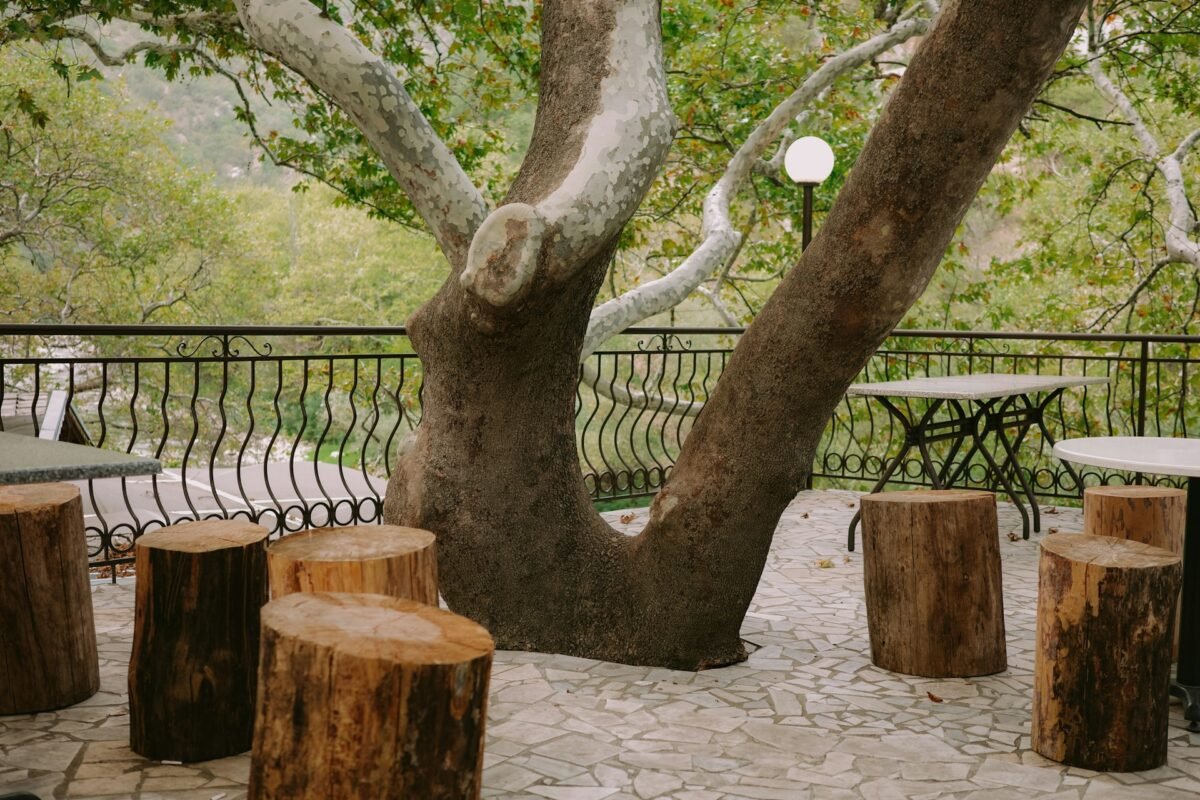

Creating an outdoor seating area that is functional throughout the year requires careful planning and the selection of practical materials.
A designed space is accessible in warm months and remains usable during cold or wet periods.
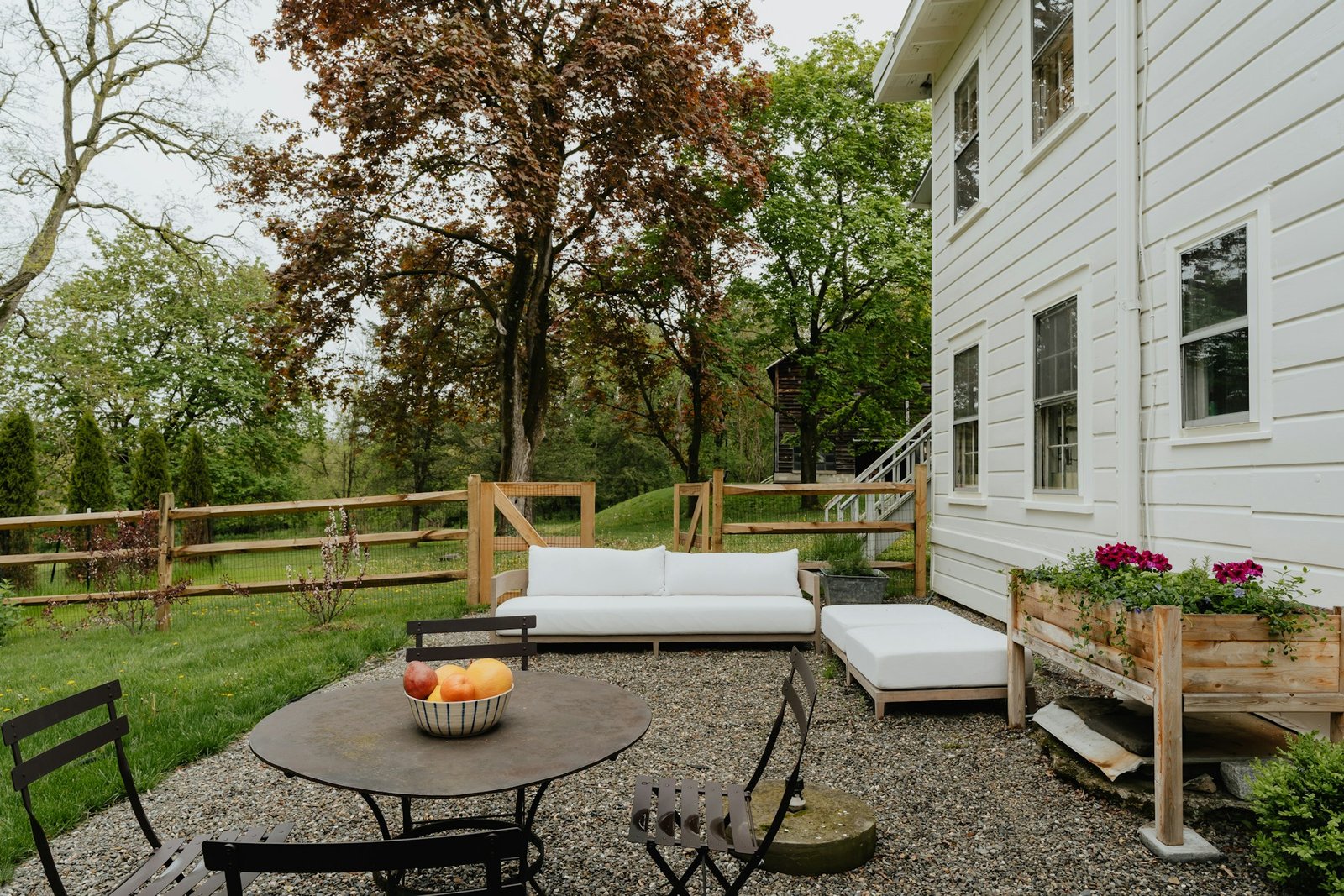
Homeowners can extend their living space – using durable structures plus flexible furniture. Comfort in these areas is dependent on temperature control, shelter and the physical arrangement of the space.
Planning The Layout For Outdoor Seating
The first step is to choose an arrangement that allows people to move and speak with ease. Furniture is placed to encourage social interaction while leaving enough room for walking paths but also items like plants or heaters. A balanced layout ensures the area is open but remains a place where people can gather. If furniture is too close, the area is restricted but if it is too far apart, the space is less warm.
Connection to the house and the surrounding land is also a primary factor. Seating near doors or the kitchen is convenient for hosting guests or spending long periods outside. Position is important because the direction of the sun and wind, along with privacy, affect how comfortable the space is. A planned layout accounts for these factors so the area is practical at different times of the day as well as during various seasons.
Selecting Materials That Resist Weather
Building a seating area that remains functional over time requires durable components. Manufacturers use treated wood, powder coated metal or synthetic wicker because these materials do not break down when exposed to water or changing temperatures. Cushions and upholstery consist of outdoor grade fabrics that are resistant to mold plus ultraviolet light. Selecting these products ensures the space is functional for many years and reduces the frequency of new purchases.
Maintenance is another factor when individuals pick materials – Surfaces that are simple to wash and do not stain easily help keep the environment clean. It is also useful to have furniture that is easy to cover or store during harsh weather. Small details, like hardware that does not rust next to fabrics that dry quickly, are helpful for long term use.
Installing Shade And Weather Protection
Protection from the weather is a vital part of a year round outdoor space. Direct sunlight is often too hot in the summer, while wind and rain are problems in the winter. Adjustable structures are effective because they allow users to control the temperature plus environment. Awnings that retract and permanent roofs are all options that improve comfort.
Structural additions provide more flexibility for the area. A pergola with slats that move, known as pergola louvers, allows people to change the amount of light and air based on the current weather – this feature is useful in places where the weather changes often. Side screens or partial walls are also available to block the wind while keeping the area feeling open – these parts work together so the space is usable in many different conditions.
Increasing Comfort But Also Managing Maintenance
Small items contribute to the usability of a space. Cushions and blankets are available so that people are warm when the air is cool. Lights are necessary because they make the area functional after dark. Portable heaters or fire pits are sources of additional warmth during periods of low temperature.
The seating area is ready for use when it receives regular care. Maintenance is easier when a person cleans the space and inspects it every few months. Furniture is more adaptable when people move it to sunny spots or apply protective covers as the weather changes – these actions are effective because they allow the outdoor area to function as a part of the house.
Improving Seasonal Adaptability
An outdoor seating area is more functional when it adapts to different times of year. Modular furniture is helpful because people can rearrange it to suit weather changes or social requirements. Because lightweight items are easy to relocate, users can change an open layout for the summer into a smaller, sheltered space for the winter – this flexibility ensures the area is useful throughout the year.
People can use plants and other natural elements to keep a space functional. Evergreen species are a source of green leaves throughout the winter. Seasonal flowers are useful because they alter how an area looks during the spring plus summer. Tall planters or hedges are effective for stopping wind and making a space private – these natural items are part of the layout to ensure the outdoor environment is comfortable but also visually pleasing in every season.
Conclusion
A comfortable outdoor seating area is effective throughout the year when a person combines planning, materials and adaptable features. The space is an extension of daily living when the layout, protection plus maintenance are part of the design process. Usability is possible for long periods when a person selects furniture and shelter systems that allow for seasonal adjustments.
Homeowners are able to create an outdoor setting that is hospitable in both warm but also cold conditions – prioritizing items that resist wear and adapt to different needs. Small design decisions result in a space that is suitable for relaxation, social gatherings as well as quiet moments – these choices ensure the outdoor area is a functional part of the home environment.