





Contemporary home design continues to evolve, but its core principles remain focused on simplicity, functionality, clean lines, and intentional living. Unlike heavily traditional interiors filled with ornamentation and visual clutter, contemporary homes prioritize openness, balance, and thoughtful design choices.
However, contemporary design in 2026 is no longer about creating cold or overly minimal spaces. Today’s contemporary interiors combine modern architecture with warmth, texture, natural materials, and livable comfort. The goal is to create a home that feels clean and refined without sacrificing personality or functionality.
Whether building a custom home or updating an existing space, understanding the fundamentals of contemporary design can help create interiors that feel modern while remaining timeless for years to come.
What Defines a Contemporary Home?
Contemporary homes are shaped by a combination of architectural simplicity, functional layouts, and carefully selected materials.
Clean Lines and Simple Architecture
One of the most recognizable features of contemporary design is the use of clean, simple lines.
Contemporary homes often avoid excessive ornamentation and instead focus on:
- Straight edges
- Geometric forms
- Minimal trim
- Streamlined details
- Open sightlines
This simplicity creates a cleaner and more visually calming environment. Rather than relying on decorative excess, contemporary homes often allow materials, lighting, and proportions to become the focal point.
Open and Functional Layouts
Contemporary homes typically emphasize open-concept living spaces that improve flow and functionality. Kitchens, dining rooms, and living spaces are often connected visually and physically, creating a more spacious and flexible environment.
This layout style also improves natural light distribution and encourages easier interaction between different areas of the home.
Natural Light and Open Views
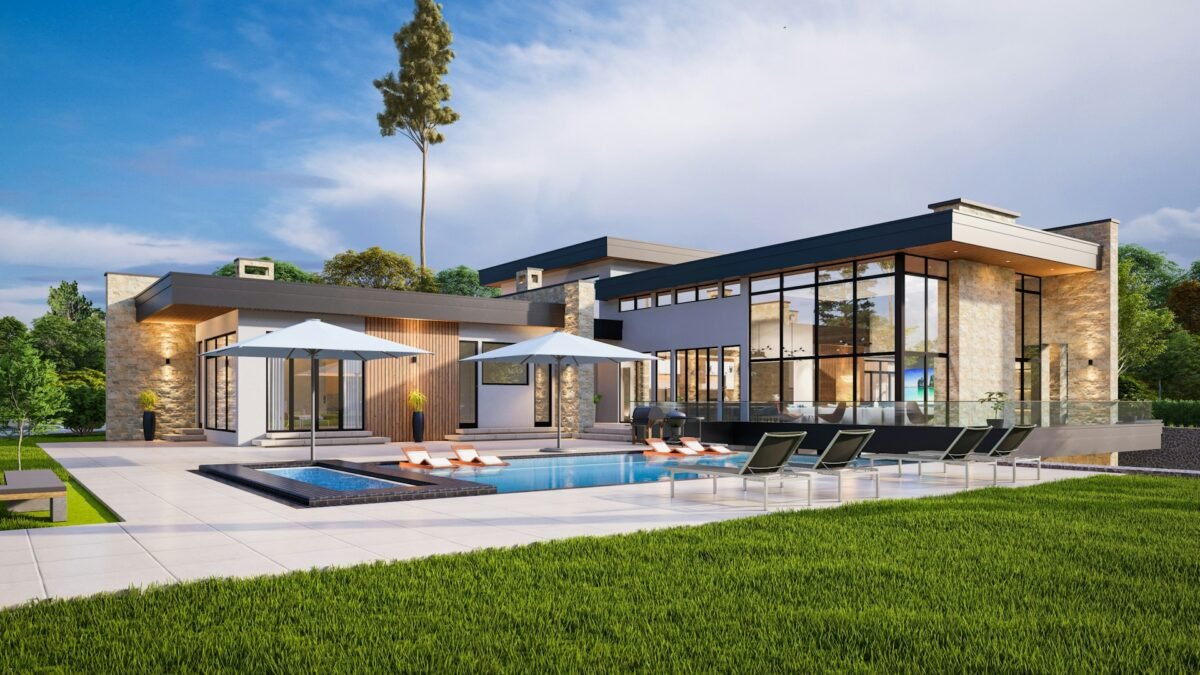
Large windows and strong indoor-outdoor connections are common in contemporary design.
Natural light plays a major role in making spaces feel larger, cleaner, and more welcoming.
Many contemporary homes also incorporate:
- Sliding glass walls
- Minimal window framing
- Open patios
- Courtyards
- Skylights
These features help blur the line between indoor and outdoor living.
Choosing the Right Color Palette for a Contemporary Home
Color selection heavily influences the overall mood of a contemporary space.
Neutral Foundations
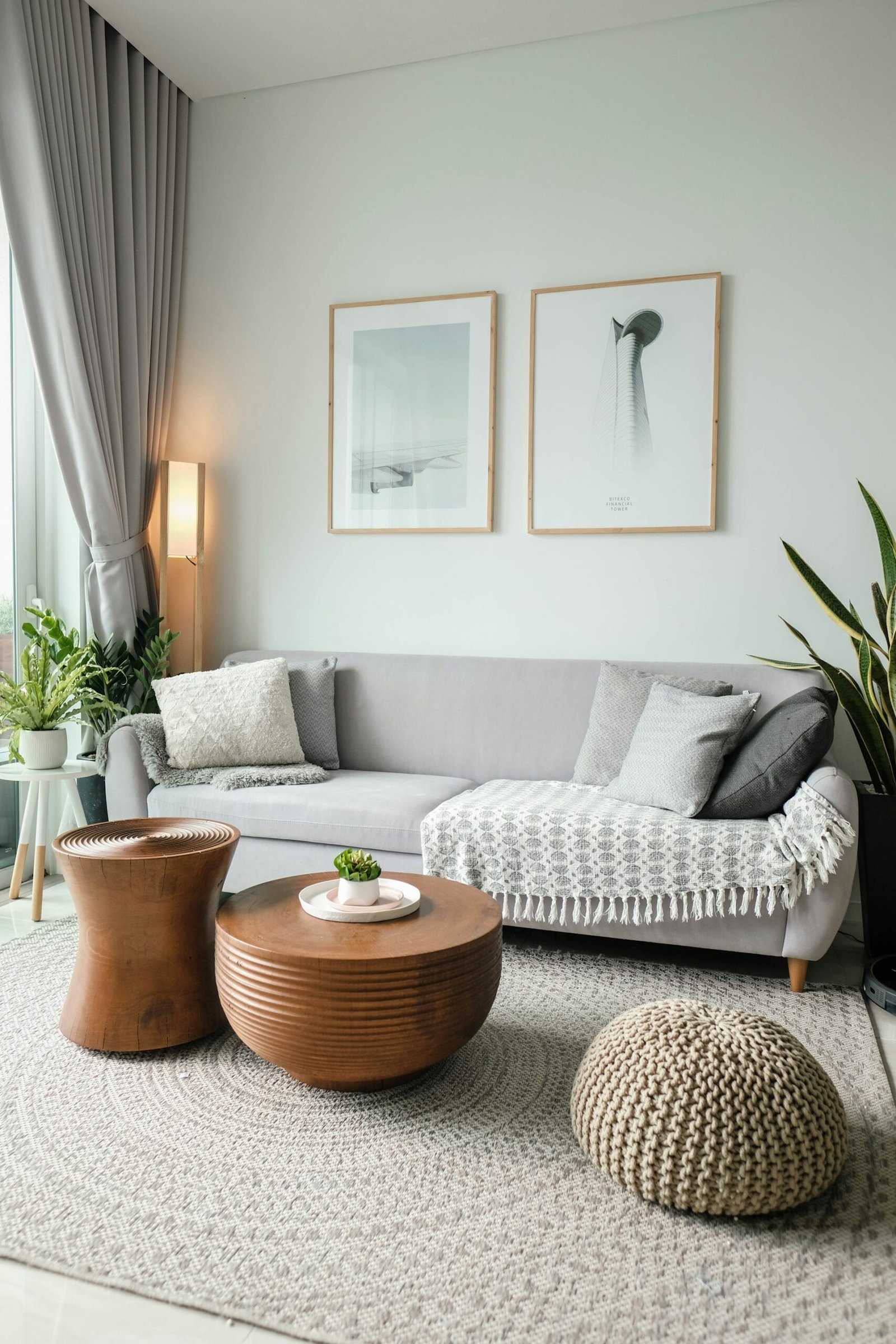
Most contemporary homes begin with a neutral color palette.
Common base colors include:
- White
- Warm gray
- Beige
- Taupe
- Soft charcoal
- Earth tones
Neutral foundations help create a calm and timeless appearance while allowing textures and materials to stand out more clearly.
Adding Contrast With Accent Colors
Contemporary interiors often use contrast strategically rather than relying on excessive color.
Examples include:
- Black fixtures
- Dark wood accents
- Muted greens
- Deep navy tones
- Matte metal finishes
These darker accents help anchor lighter spaces and create visual balance.
Using Paint Finishes Strategically
Paint sheen also affects how contemporary spaces feel visually.
Matte finishes often create a softer and more modern appearance, while satin or semi-gloss finishes may be used selectively for trim, cabinetry, or high-moisture areas.
Homeowners looking to create clean, modern interiors often work with experienced painting professionals like Cover Pro Painting for interior color selection, smooth wall finishes, and professionally applied contemporary paint schemes.
How Materials and Texture Shape Contemporary Design
Texture has become increasingly important in contemporary interiors because it prevents minimalist spaces from feeling flat or sterile.
Mixing Natural and Modern Materials
One of the defining features of contemporary design is the combination of natural and industrial materials.
Popular material combinations include:
- Wood and concrete
- Stone and steel
- Glass and textured plaster
- Matte finishes paired with polished surfaces
This contrast creates visual interest while maintaining simplicity.
Why Texture Prevents Spaces From Feeling Cold
Texture adds warmth and depth to contemporary interiors. Soft materials like linen, boucle, wool, and textured fabrics help balance harder surfaces such as stone, metal, or concrete.
Layering textures intentionally allows contemporary homes to feel inviting rather than overly rigid.
Using Flooring and Wall Treatments to Add Depth
Flooring and wall finishes contribute heavily to the overall atmosphere of the home.
Contemporary interiors commonly use:
- Wide-plank hardwood flooring
- Stone tile
- Fluted wall panels
- Limewash finishes
- Textured plaster
- Wood slat walls
These elements add dimension without overwhelming the space visually.
Furniture and Layout Ideas for Contemporary Homes
Furniture selection should support both comfort and simplicity.
Prioritizing Functionality and Simplicity
Contemporary interiors generally avoid overcrowding rooms with excessive furniture or decor. Each piece should serve a functional or visual purpose. Open circulation and breathing room between furniture pieces help spaces feel more intentional and spacious.
Choosing Furniture With Clean Shapes
Furniture in contemporary homes often features:
- Streamlined silhouettes
- Soft curves
- Low profiles
- Minimal ornamentation
Rather than heavily carved or decorative pieces, contemporary furniture focuses on proportion, material quality, and comfort.
Creating Balance Between Open Space and Comfort
Minimalism should not make a room feel empty.
Layering furniture, textiles, lighting, and decor thoughtfully helps maintain warmth while preserving the openness contemporary homes are known for.
Lighting Design in Contemporary Interiors
Lighting is one of the most important design tools in a contemporary home.
Maximizing Natural Light
Natural light enhances nearly every aspect of contemporary design. Large windows and open layouts allow light to move throughout the home more freely, helping interiors feel brighter and more expansive. Natural light also highlights texture, materials, and architectural details more effectively.
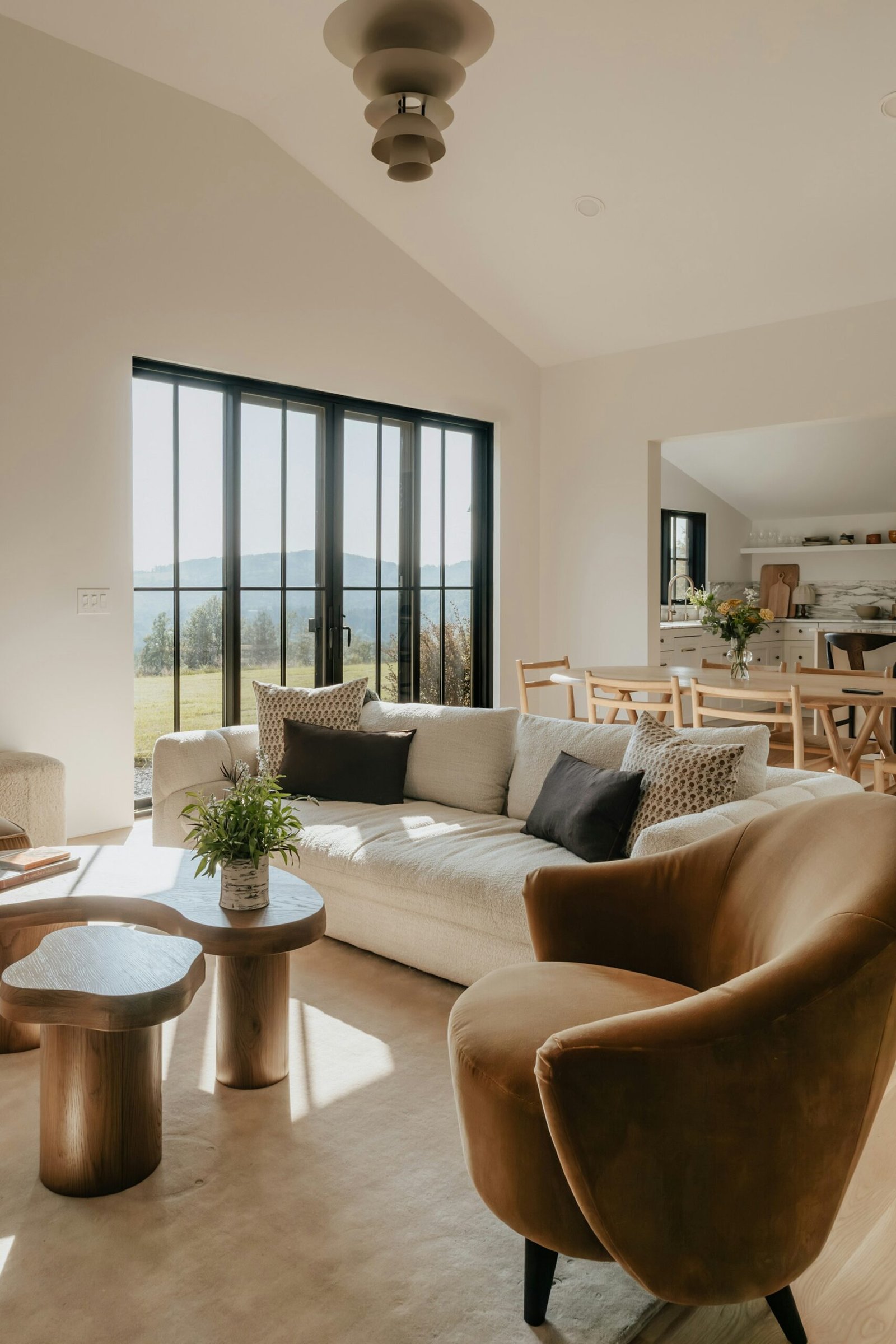
Layered Lighting for Warmth and Depth
Contemporary homes often combine multiple lighting layers including:
- Ambient lighting
- Task lighting
- Accent lighting
- Decorative lighting
This layered approach creates a more balanced and functional environment.
Statement Lighting as a Design Feature
Lighting fixtures themselves often become sculptural focal points in contemporary interiors. Pendant lights, oversized chandeliers, and minimalist sconces can add personality while maintaining a clean aesthetic.
Incorporating Contemporary Kitchens and Bathrooms
Kitchens and bathrooms are often central to contemporary home design.
Contemporary Kitchen Design Features
Contemporary kitchens commonly include:
- Flat-panel cabinetry
- Minimal hardware
- Integrated appliances
- Large islands
- Clean countertops
- Hidden storage solutions
The goal is to create a functional workspace that also feels visually streamlined.
Contemporary Bathroom Design Trends
Contemporary bathrooms often emphasize simplicity and spa-like comfort through:
- Floating vanities
- Frameless showers
- Large-format tile
- Minimal fixtures
- Matte finishes
- Neutral color palettes
Natural materials and layered lighting help soften these spaces while maintaining a clean appearance.
Keeping Finishes Cohesive Throughout the Home
Consistency between rooms helps contemporary homes feel connected and intentional. Repeating similar materials, finishes, colors, and textures throughout the house creates better visual flow. For homeowners planning larger remodels or custom home projects, companies such as Skyline Design Build help coordinate architectural planning, contemporary layouts, material selection, and overall home design flow.
Common Mistakes to Avoid in Contemporary Home Design
Contemporary interiors require balance to avoid feeling either too cold or overly designed.
Making the Space Feel Too Cold or Empty
One of the most common mistakes is removing too much warmth from the space. A room filled entirely with smooth white surfaces and minimal decor may feel sterile instead of welcoming. Texture, natural materials, and layered lighting help solve this problem.
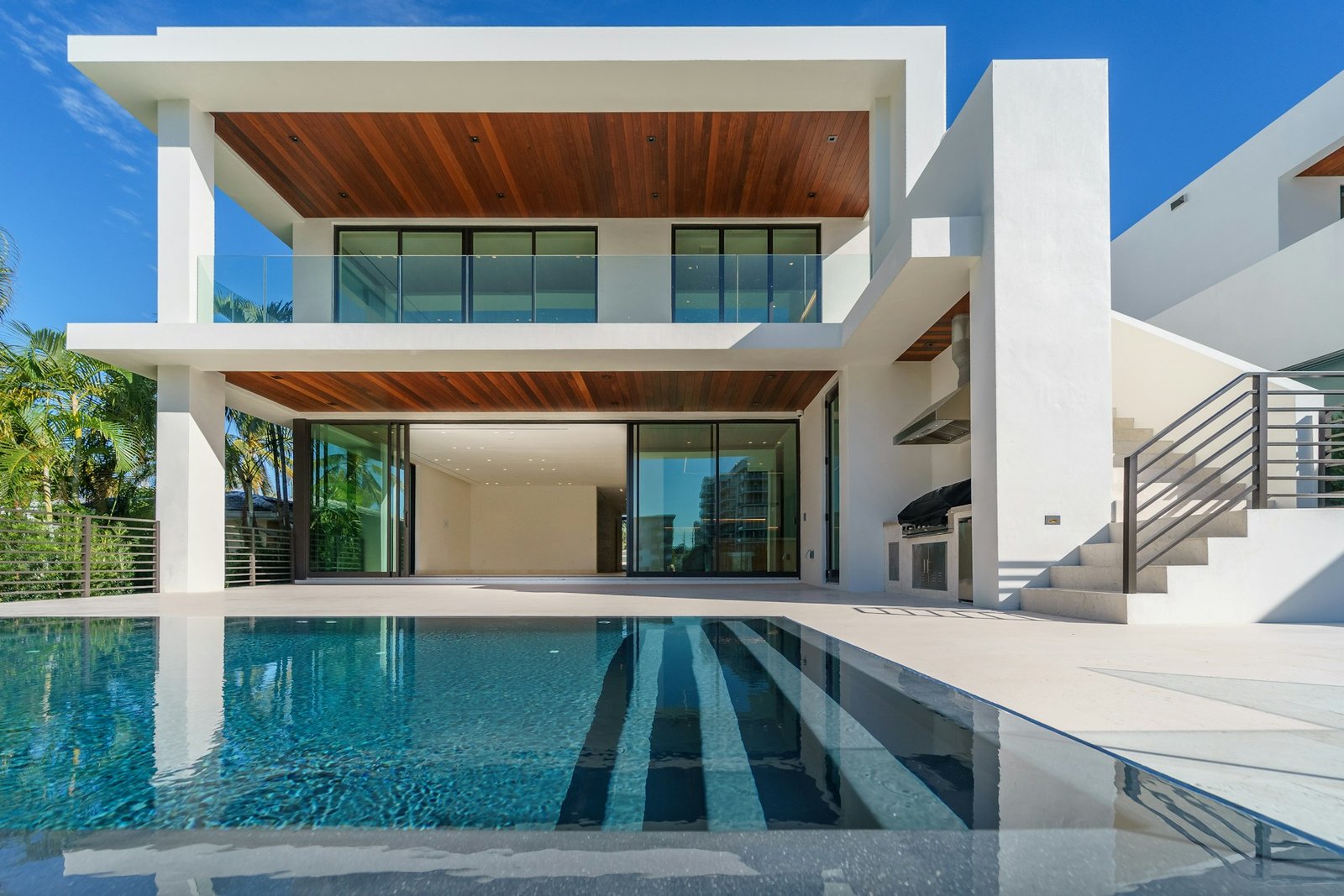
Following Trends Without Considering Functionality
Not every design trend works well long term. Contemporary homes should prioritize livability and timelessness rather than chasing short-term trends that may feel outdated quickly.
Overcomplicating the Design
Contemporary interiors are often strongest when they remain simple and intentional. Too many competing materials, colors, or decorative elements can reduce the clean and calming effect contemporary design is meant to create.
How to Make a Contemporary Home Feel More Personal
A contemporary home should still reflect the people living in it.
Adding Artwork and Organic Decor
Artwork, sculptural decor, plants, and handmade accessories help personalize contemporary interiors without creating clutter. These elements introduce warmth and individuality into the space.
Layering Textiles and Natural Elements
Layered fabrics, natural woods, woven materials, and organic textures soften modern interiors and make them feel more livable. Simple additions like linen curtains, textured rugs, or natural wood furniture can dramatically change the atmosphere of a room.
Designing Around Lifestyle Needs
The most successful contemporary homes are designed around how people actually live. A beautiful home should also support comfort, functionality, storage, and daily routines.
Final Thoughts on How to Design a Contemporary Home
Learning how to design a contemporary home involves much more than choosing modern furniture or neutral paint colors. Successful contemporary interiors balance simplicity, functionality, warmth, texture, and intentional design choices. Clean architecture, natural light, layered materials, and thoughtful layouts all contribute to creating a home that feels modern while remaining comfortable and timeless.
Most importantly, contemporary design should never feel cold or impersonal. The best contemporary homes combine clean aesthetics with livable comfort, creating spaces that feel refined, welcoming, and functional for everyday life.