
A home emergency can turn your normal routine upside down in minutes.
One burst pipe, kitchen fire, or summer storm can leave you dealing with soaked drywall, smoke odor, and a growing to-do list you never asked for.
If you live in a place like Windsor, Colorado, where weather swings and seasonal storms can hit hard, it helps to know what to do before panic starts making decisions for you.
Start with safety, not cleanup
Your first instinct might be to grab towels, a shop vac, or a trash bag and get to work. Slow down. Before you touch anything, make sure the space is safe.
Look for obvious hazards like exposed wiring, gas smells, standing water near outlets, unstable ceilings, or broken glass. If the issue involves fire, flooding, sewage, or storm damage, shut off utilities if you can do it safely. If not, call for help.
Take a few photos right away, even if the room looks like a movie set after the third act. Those images can help with insurance and contractor discussions. Then make a quick list of affected areas and damaged items. That simple step keeps your brain from trying to store fifty details at once while also wondering where your shoes went.
Know which damage can get worse fast
Not all messes behave the same way. Water damage is especially sneaky because it spreads behind walls, under flooring, and into insulation. What looks like a wet corner can become mold growth within a day or two.
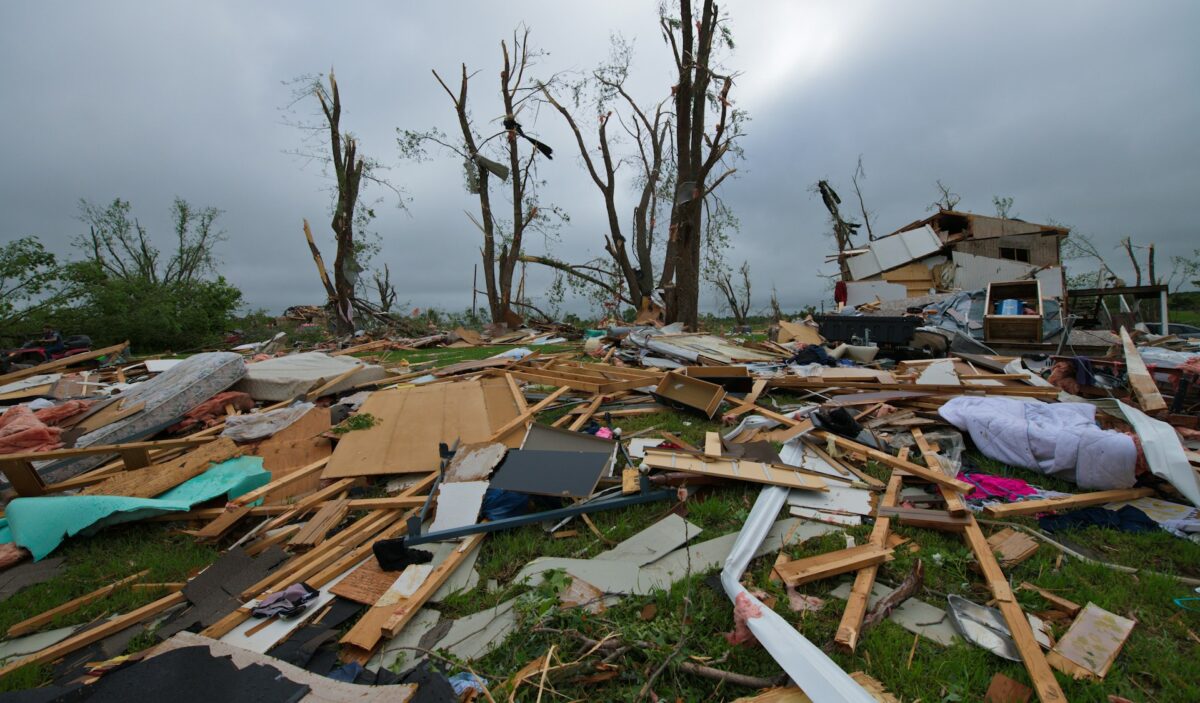
Smoke damage also lingers longer than people expect. Soot can stain surfaces permanently, and the odor clings to fabric, vents, and furniture. Storm damage brings its own chaos, especially when rain enters through roof openings or shattered windows.
This is where timing matters. In places affected by hail, heavy wind, or sudden freezing conditions, homeowners often need disaster cleanup services that go beyond basic housekeeping. You’re not just tidying up. You’re limiting structural damage, contamination, and repair costs that can snowball if the situation sits too long.
Document everything like your future claim depends on it
Insurance paperwork is rarely anyone’s idea of a good time, yet solid documentation can save you a major headache. Treat the process like evidence collection.
Take wide shots of every damaged room, then close-ups of specific problems such as warped baseboards, scorched cabinets, soaked rugs, or cracked drywall. If personal items were damaged, photograph those too. Keep receipts for emergency purchases like tarps, fans, hotel stays, and cleaning supplies.
Create a running note on your phone with dates, names, and short summaries of every conversation with your insurer, adjuster, or contractor. You don’t need a color-coded spreadsheet unless that’s your thing, but you do need a record. When timelines stretch out, small details get fuzzy. Insurance companies move on process, and process loves proof.
Don’t assume DIY is cheaper
You can handle some issues yourself, especially minor spills or small, isolated messes. Large-scale damage is different. The visible mess is often only part of the problem.
Wet drywall can look fine while moisture remains trapped inside. Smoke residue can settle in ductwork. Contaminated water from storms or sewage backups carries bacteria you should not be scrubbing in sneakers and optimism. Professional crews use moisture meters, air movers, dehumidifiers, HEPA filtration, and protective gear because these jobs involve more than elbow grease.
There’s also a cost trap here. If you remove materials incorrectly, miss hidden moisture, or delay mitigation, later repairs can become much more expensive. Doing it yourself can feel efficient at first, but cutting corners during restoration often leads to round two. No one wants a sequel featuring mold behind the wall.
Prioritize the rooms that affect daily life most
Once the immediate danger is under control, think about function. Which spaces matter most for basic living? Usually that means the kitchen, bathroom, bedroom, and main living areas.
A damaged guest room is inconvenient. A damaged bathroom is a scheduling crisis by noon. If your kitchen is affected, food storage and sanitation become urgent concerns. If bedrooms are unusable, your family’s sleep and routine can unravel fast.
Make a simple triage list:
– Areas that are unsafe to enter
– Rooms needed for sleeping and hygiene
– Spaces with active leaks or contamination
– Belongings that can still be saved if treated quickly
– Repairs that prevent further damage
This helps you focus on what restores daily life first, not just what looks worst. Practical choices beat dramatic ones every time.
Understand how weather and location change the response
Where you live shapes the kind of damage you’re likely to face. In Colorado communities like Windsor, fluctuating temperatures, snow, ice, hail, and strong winds can all hit a home in different seasons.
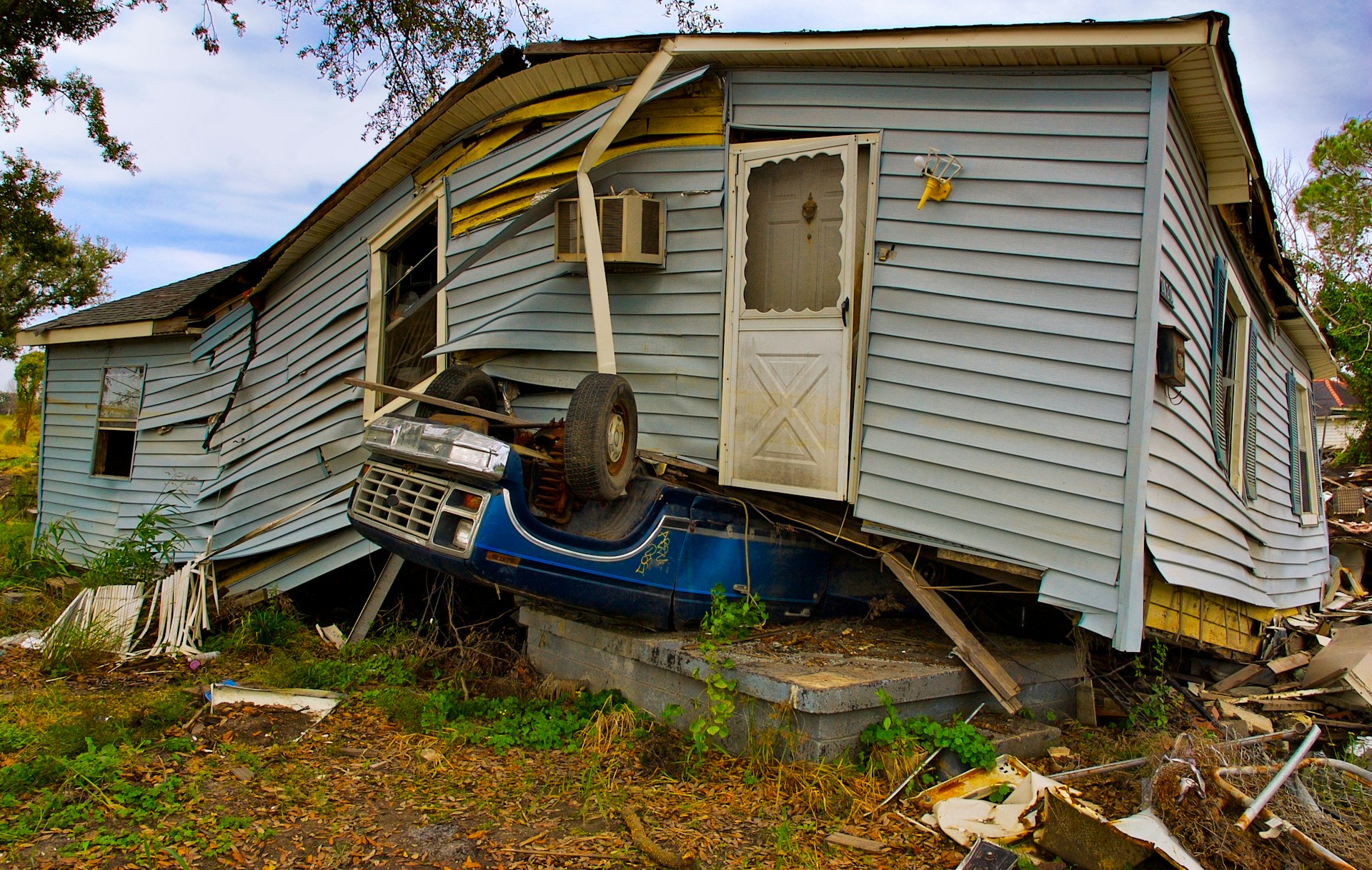
A frozen pipe burst in winter creates a very different cleanup timeline than hail damage in spring or a backed-up sump during heavy rain. Dry air can speed up some drying on the surface while hidden moisture stays trapped in subfloors or wall cavities. Wind-driven debris can damage siding, windows, and roofing all at once.
Local building styles matter too. Finished basements, attached garages, and open-plan interiors each create different restoration challenges. If you understand the regional risk profile of your home, you can prepare smarter. A small emergency kit, updated insurance inventory, and a trusted contact list can make a rough day less chaotic.
Protect your air quality during and after cleanup
People often focus on floors, walls, and furniture first. Air quality gets ignored, even though it can affect your health long after the visible mess is gone.
After a fire, smoke particles and soot can circulate through vents. After water damage, damp materials can release musty odors and microbial contaminants. Dust from torn drywall or insulation adds another layer, especially if you have allergies or asthma.
Open windows only when outdoor conditions make sense, and avoid running HVAC systems if they may spread contaminants. Replace filters if the system was exposed. If a room smells off, don’t assume a candle will negotiate peace. Lingering odor usually signals a material or ventilation issue that still needs attention.
A proper cleanup plan should include drying, filtration, debris removal, and inspection of hidden spaces where moisture or residue can linger quietly.
Build a recovery plan that goes beyond the emergency
After the cleanup stage, you still have decisions to make. Repairs, replacements, temporary housing, insurance approvals, and contractor scheduling can stretch over weeks.
Break the process into phases. First comes mitigation and stabilization. Then cleanup and drying. After that, repair and rebuilding. Keeping those stages separate helps you understand what’s urgent and what can wait a little.
Use one folder, digital or physical, for estimates, claim documents, receipts, photos, and repair notes. Ask clear questions before any work starts:
– What damage is cosmetic versus structural?
– What can be restored instead of replaced?
– How long should drying or remediation take?
– Will this affect insulation, wiring, or HVAC components?
– What signs should you watch for after the work is done?
Disaster recovery rarely feels neat. A steady, informed approach gives you far more control than panic ever will.