





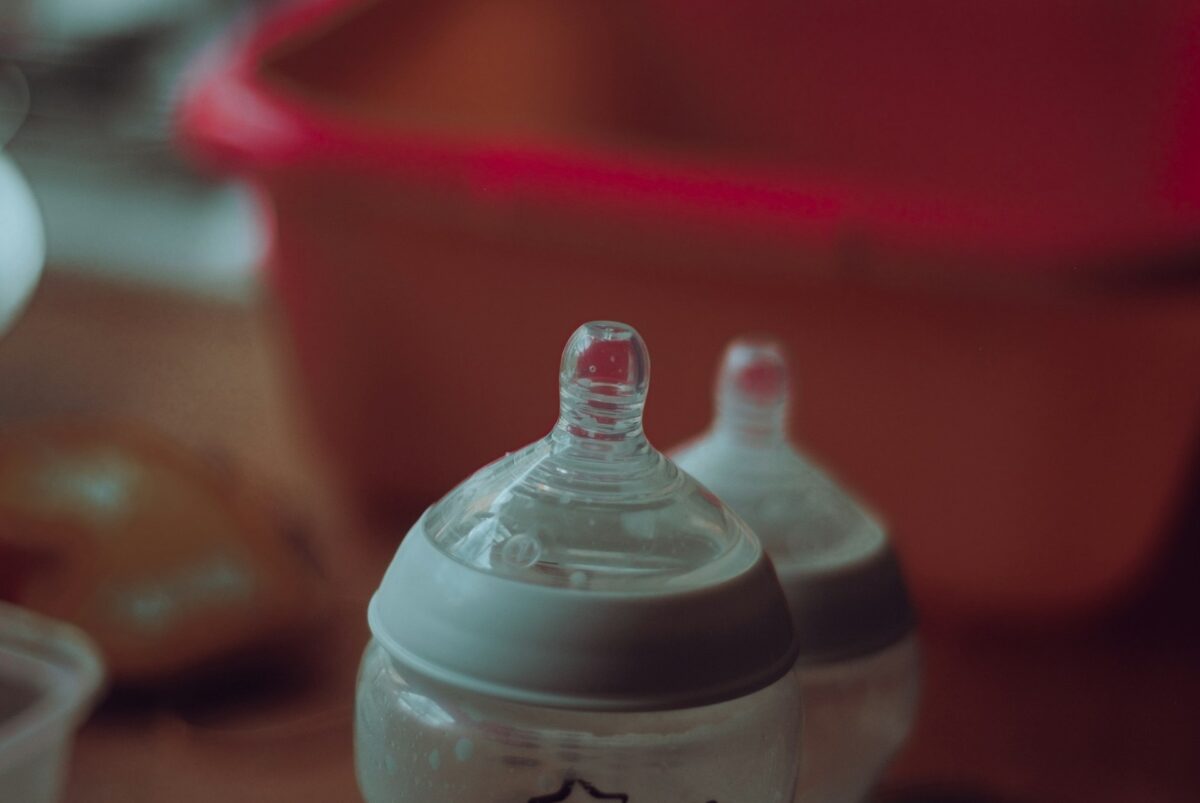

At some point every parent squints at a cloudy nipple and thinks: Is this still fine, or are we past fine?
Knowing when to replace feeding bottle parts—and when to retire the bottle habit altogether—saves you from mystery smells, frustrated feeds, and gear that looks clean but no longer does the job.
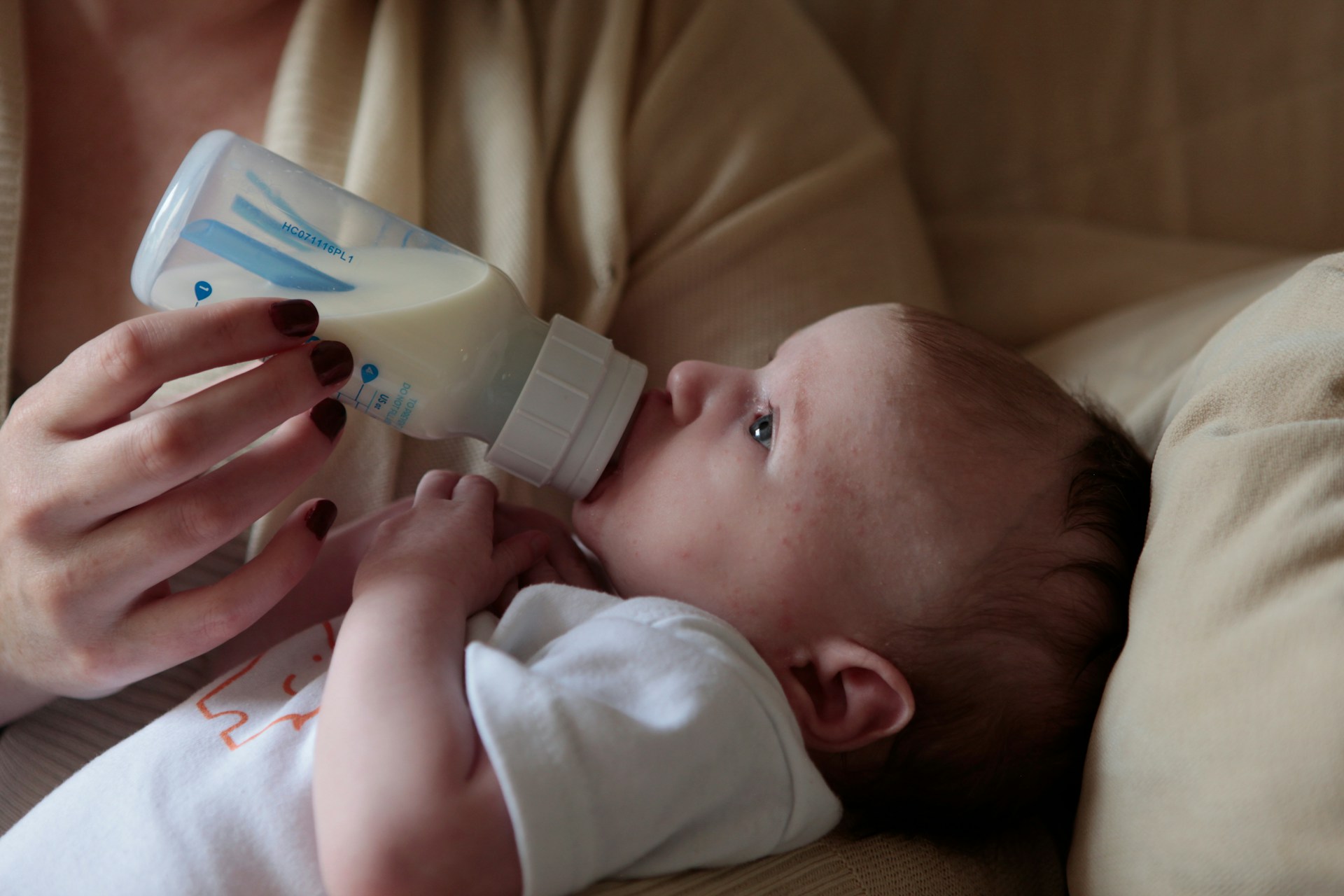
Replacement timing depends on wear, your baby’s age, and how hard you use each piece daily. Fresh bottles and nipples also stay easier to sanitize; some families pair a solid wash routine with an automatic bottle washer that wash-sterilizes-and-dries in one cycle so daily maintenance does not turn into a guessing game.
This guide covers how often to swap bottles and nipples, signs it is time, when to size up to 8 oz bottles, and how to know when bottle feeding should wind down. Always check your pediatrician if you have concerns about feeding, weight gain, or weaning.
Why Replacing Bottles and Nipples Matters
Plastic and silicone wear down with heat, soap, scrubbing, and time. Scratches inside a bottle trap milk residue. Nipples stretch, thin, or crack—changing flow in ways that frustrate babies or let them gulp too fast. A worn valve on a vented bottle stops doing its job.
Replacing gear on schedule is not about consumerism. It is about hygiene, safety, and feeds that feel predictable again. Clean-only routines cannot fix silicone that has gone sticky or plastic that has turned hazy.
How Often Should I Replace My Feeding Bottle?
There is no single calendar that fits every brand, but these general guidelines help:
- Plastic bottles: Replace every 4–6 months with heavy daily use, or sooner if you see cloudiness, scratches, odor that will not rinse away, or warping from hot washes.
- Glass bottles: Replace if chipped, cracked, or if the rim no longer seals properly. Many families use glass longer because it does not cloud the same way—still inspect often.
- Silicone bottles: Follow manufacturer guidance; replace if torn, sticky, or discolored.
If you rotate several bottles so each one rests between uses, individual bottles may last longer. If you wash the same four bottles eight times a day, expect faster wear.
When to Replace Nipples and Other Small Parts
Nipples usually need replacing more often than bottles—often every 4–8 weeks with daily use, or immediately if you notice:
- Cracks, thinning, or sticky texture
- A hole that has torn larger than intended flow
- Collapse during feeding or uneven drip when you hold it upside down
- Discoloration that survives boiling or sanitizing
Replace vent inserts, valves, and backflow membranes on the same schedule as nipples—or sooner if milk gets trapped and you cannot fully clean them. Pump flanges and duckbill valves follow similar rules if you express milk into bottles.
Signs It Is Time to Replace Feeding Bottles Now
Do not wait for the calendar if you see:
- Permanent cloudiness or scratches inside the bottle
- Sour smell after a full wash and dry cycle
- Warped rings that leak no matter how tight you screw the collar
- Baby fussing at feeds after flow and temperature are ruled out—sometimes the nipple has silently changed
- Recalled or outdated bottles if your brand issues a safety notice
When in doubt, swap the nipple first—it is the cheapest experiment and fixes more feeding drama than people expect.
What Age Do Babies Switch to 8 oz Bottles?
Most babies move to 8 oz (240 ml) bottles somewhere between 4 and 6 months, when they consistently drink more than 4–6 oz per feed and are growing into a larger daily intake. Some stay on smaller bottles longer if they prefer smaller, more frequent feeds.
Size up when:
- Your baby drains a 4–5 oz bottle and still shows hunger cues
- You are mixing larger formula volumes per feed
- The bottle feels mostly full before you even start—awkward to shake and prone to spill
Changing bottle size is not the same as replacing worn bottles. You may add 8 oz bottles to the rotation while retiring scratched 4 oz ones. Nipple flow level should still match age and feeding ability—not every baby jumps to a fast flow just because the bottle got bigger.
How Do I Know When to Stop Feeding My Baby Bottle?
Weaning off the bottle is a gradual shift, not a single birthday event—though many pediatricians highlight 12 months as a milestone to start actively moving toward cups.
The American Academy of Pediatrics recommends weaning from the bottle around the first birthday to reduce tooth decay risk and encourage cup skills. Practical signs it is time to begin:
- Your baby sits well and can hold a sippy or open cup with help
- Meals include soft solids and water from a cup at the table
- Bottles are comfort objects more than nutrition (long nighttime bottles of milk)
- Dentist or pediatrician flags bottle-related tooth concerns
Start by swapping one bottle feed for a cup—often lunchtime—then morning, then bedtime last. Bedtime is usually the hardest; expect a week or two of patience.
Should a 2 Year Old Still Be Drinking From a Bottle?
Most health experts say a healthy 2-year-old should primarily drink from a cup, not a bottle. Occasional bottle use during a stressful transition is different from a daily bottle habit.
Extended bottle use at age two is linked to higher risk of tooth decay (especially bedtime milk pooling around teeth), extra calories from milk that may reduce solid-food appetite, and delayed oral-motor skills for cup drinking. If your toddler still demands a bottle, you are not alone—many families wean later—but it is reasonable to work toward cups with your pediatrician’s input.
Transition tips: offer the same milk in a favorite cup, dilute bottle milk gradually if needed, and replace bottle routines with another comfort (story, cuddle). Replace any toddler bottles and nipples that show wear from chewing.
Keeping New Bottles Clean From Day One
Fresh gear only stays safe if your routine matches. Wash new bottles and nipples before first use. After that, clean after every feed and sanitize on the schedule your baby’s age and health require.
Worn bottles are harder to clean—another reason replacement matters. Film hides in scratches; stretched nipples harbor residue in micro-tears. A consistent wash-dry-store loop matters as much as the replacement calendar.
What Automatic Bottle Washers Do for Daily Maintenance
Automatic bottle washers are countertop machines built for infant feeding equipment. They run enclosed cycles with targeted spray, baby-safe detergent tablets, steam sterilization, and drying—sometimes with short-term sealed storage after the cycle ends.
They do not extend the lifespan of cracked nipples or cloudy bottles—you still replace on schedule. They help by making daily cleaning thorough and repeatable, which keeps new gear in good condition longer and reduces the “did I really get the valve clean?” doubt. Many models also wash pump parts and pacifiers in separate baskets.
For parents rotating multiple bottles through the day, automation can be a practical complement to a replacement calendar—not a substitute for inspecting wear or weaning when it is time. Compare capacity and cycle length to your actual volume before buying; hand-washing remains fine if it works for your household.
FAQ
Should a 2 year old still be drinking from a bottle?
Most experts recommend cups as the main drinkware by age two. Extended bottle use can affect dental health and cup skills. Talk with your pediatrician if weaning feels stuck.
How do I know when to stop feeding my baby bottle?
Many families start weaning toward cups around 12 months, replacing one feed at a time. Signs include readiness for cups, solid meals, and guidance from your pediatrician or dentist.
How often should I replace my feeding bottle?
Plastic bottles often last about 4–6 months with heavy use; replace sooner if scratched, cloudy, or smelly. Nipples typically need replacing every 4–8 weeks or at any sign of damage.
What age do babies switch to 8 oz bottles?
Often between 4 and 6 months, when per-feed volume outgrows smaller bottles. Follow hunger cues and nipple flow recommendations rather than age alone.
Knowing when to replace feeding bottle gear—and when to move on from bottles entirely—keeps feeding safe and less stressful. Inspect often, swap nipples generously, size up when feeds outgrow the bottle, and wean toward cups on a timeline that fits your child. Fresh gear plus a steady clean routine beats hanging on to a cloudy nipple every time.