





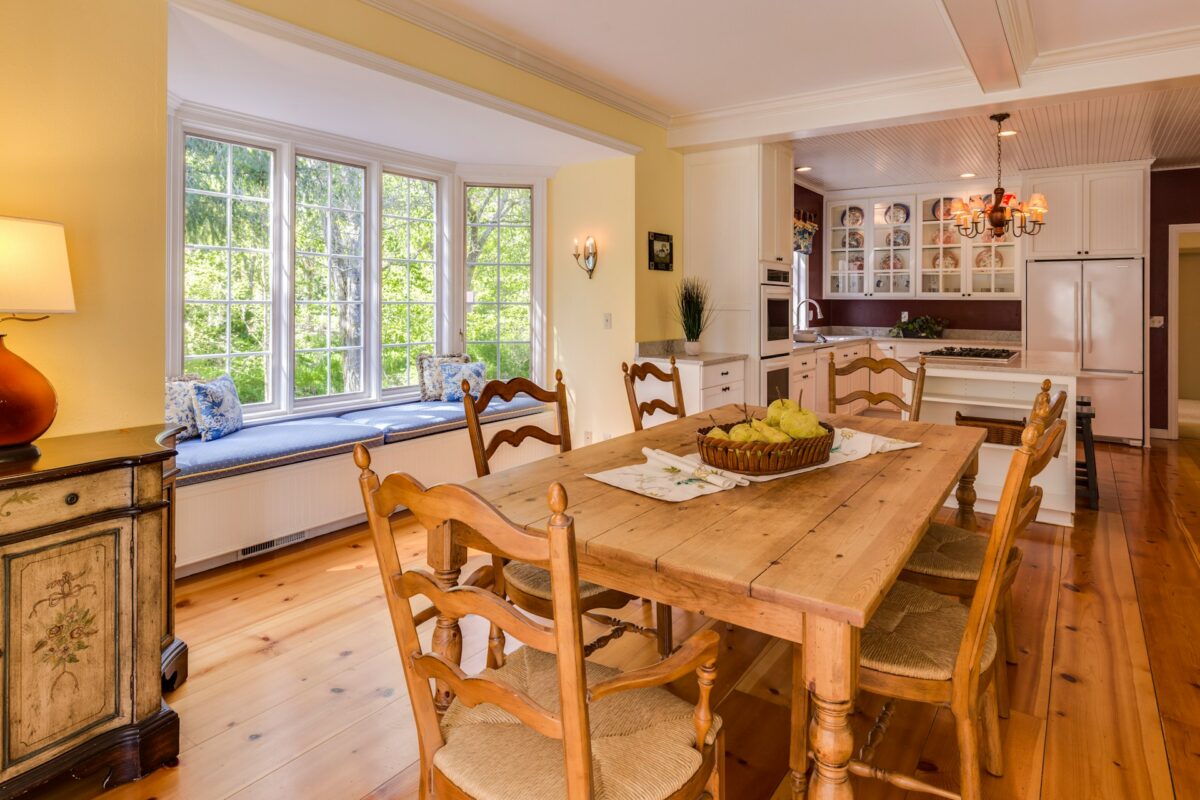

The best money I ever spent on a house was not a kitchen faucet or a fresh coat of paint.
It was a bay window that turned a dim dining room into the room where everyone actually wanted to sit.

That is the honest pitch for a bay window. It punches a small piece of the outside wall outward, and in return you get floor space that feels bigger, light from three directions, and a window seat that guests fight over. Around here, homeowners searching for Chantilly, VA bay window installation usually want the same thing: a brighter room without a full remodel. That is achievable, but the difference between a bay window you enjoy for decades and one you regret sits in the details before the first nail goes in.
Here is what actually matters, in the order I would handle it myself.
What a Bay Window Actually Does to a Room
A bay is not a bigger window slapped on the same wall. It is a small construction project. The frame pushes out 12 to 24 inches, typically built as three panels: a wide center unit with two angled sides. Push it out farther and you can create a true window seat. Keep it shallower and it reads as an architectural accent.
For a dining room, I would go with the deeper projection every time. That extra ledge becomes the best seat in the house, and it does more for a dark northern-facing room than brighter paint ever will. For a bedroom, a shallow bay with a wide center sash is usually the smarter pick, because you get the light without losing furniture wall space.
The trade-off is real. A bay adds surface area facing the weather, which means more glass to insulate and more seams to seal correctly. Skip the sealing and you have built yourself a very expensive draft.
Picking Your Bay Window Style Without Regret
Bay windows come in a few flavors, and the material choice drives both the look and the price.
- Vinyl: the value play. Low maintenance, strong thermal performance, and it holds up fine in Northern Virginia humidity.
- Wood with clad exterior: warmer interior look, tougher price tag, better for historic or high-end homes.
- Fixed center with operable sides: my personal favorite. The angled sashes open for airflow, the fixed center stays sealed and bright.
You will also choose glass packages, and this is where homeowners overspend or underspend. A double-pane unit with a low-E coating is the sensible baseline for this climate. Triple pane rarely pays for itself here, so I would put that money toward better installation instead. Installation quality beats glass specs almost every time.
How to Vet a Window Contractor in Chantilly, VA
This is the section people skip, and it is the one that decides whether the job goes well. Window installation is a home improvement trade, and that matters because it is a licensed, insurable, people-facing business in every state. If you want a sense of how big and regulated the construction trades are nationwide, the Bureau of Labor Statistics tracks those numbers in detail.
A short version of what I would actually check before signing anything:
- Ask what happens behind the wall. A lazy installer drops the new unit over the old frame and caulks it. A good one flashes and seals the rough opening first.
- Ask who pulls the permit. In Chantilly, a bay window that changes the wall opening or footprint usually needs one. “We skip permits to save you time” is not a favor. It is a risk you carry.
- Ask about the crew. Some companies measure and then farm out the labor. I would rather hire a contractor whose installers are on payroll, because accountability is baked into the business.
- Ask about lead times. Custom bay units are not off-the-shelf items, so a two to three month wait is normal right now.
Then check licenses, insurance, and recent local reviews. A contractor with years of work in your zip code is worth more than a company with a nicer truck.
The Real Cost of a Bay Window in Chantilly
Nobody likes this part, but it is the part you need to plan for. A bay window runs well above a standard double-hung replacement because you are paying for framing, structural support, trim work, and often a new interior header or sill. Nationally, project data and general trade labor costs keep pushing the total up a few percent a year, so a quote you got two years ago is not a useful benchmark today.
Here is a rough way to think about it. A single vinyl bay unit typically sits in the low thousands installed, while a large wood bay with custom trim can climb north of five figures. Get your number from a local quote, not a national average, and get it in writing before work starts.
Mistakes That Cost Homeowners the Most
Fifteen-plus years of remodeling work taught me that almost all regrets trace back to one of a few decisions rather than the window itself:
- Choosing price over flash and seal work. Weep holes, flashing, and drainage details are the parts you never see and the parts that fail first.
- Ignoring the exterior trim. A bay window does not match the rest of the house on its own. If the trim is not planned, the finished product looks bolted on.
- Forgetting the interior finish. Drywall repair, sill boards, and paint are part of the job. Confirm who handles them before you sign.
- Not asking about energy performance. Roughly 25 to 30 percent of a typical home’s heating and cooling loss happens through the windows, according to the Department of Energy, so a cheap unit quietly costs you every month.
Why Bay Windows Are Coming Back
Bay windows were almost standard in American homes a century ago, then fell out of fashion during the cookie-cutter era. They are steadily returning because homeowners have rediscovered the two things they love most: daylight and a small pocket of extra floor space. If you are watching how quickly home improvement spending is rising, the National Institute of Standards and Technology maintains detailed measurement standards behind the tools and materials the industry buys and trusts every day.
Your Bay Window Checklist
Before you hand over a deposit, walk through this list:
- Measure the room and mark the projected bump-out on the floor with tape so you can feel how much space you are giving up.
- Confirm the window operates the way you expect. Open the sashes yourself.
- Get a written scope covering framing, flashing, insulation, trim, drywall, and paint.
- Verify permit responsibility in writing.
- Ask for a projected delivery date and a realistic installation window.
- Confirm the warranty covers both the unit and the labor.
A bay window is one of the few upgrades that improves your view, your energy performance, and your actual daily life all at once. The trick is to treat it like a small construction project, not a plug-and-play product. Do that, and the room will sell itself.
What is the one room in your house now that never quite feels bright enough? That is usually the room that needs a bay window most.