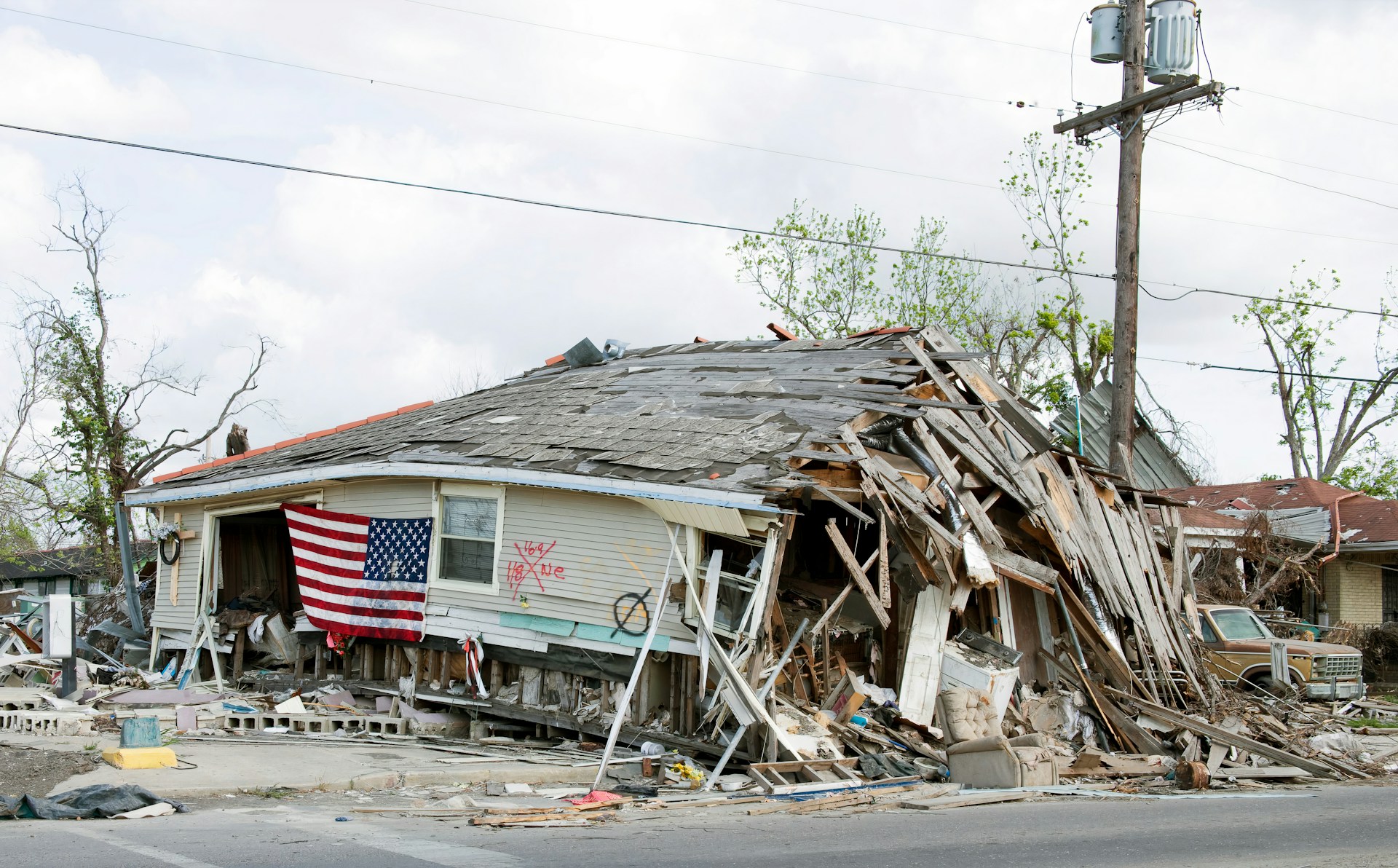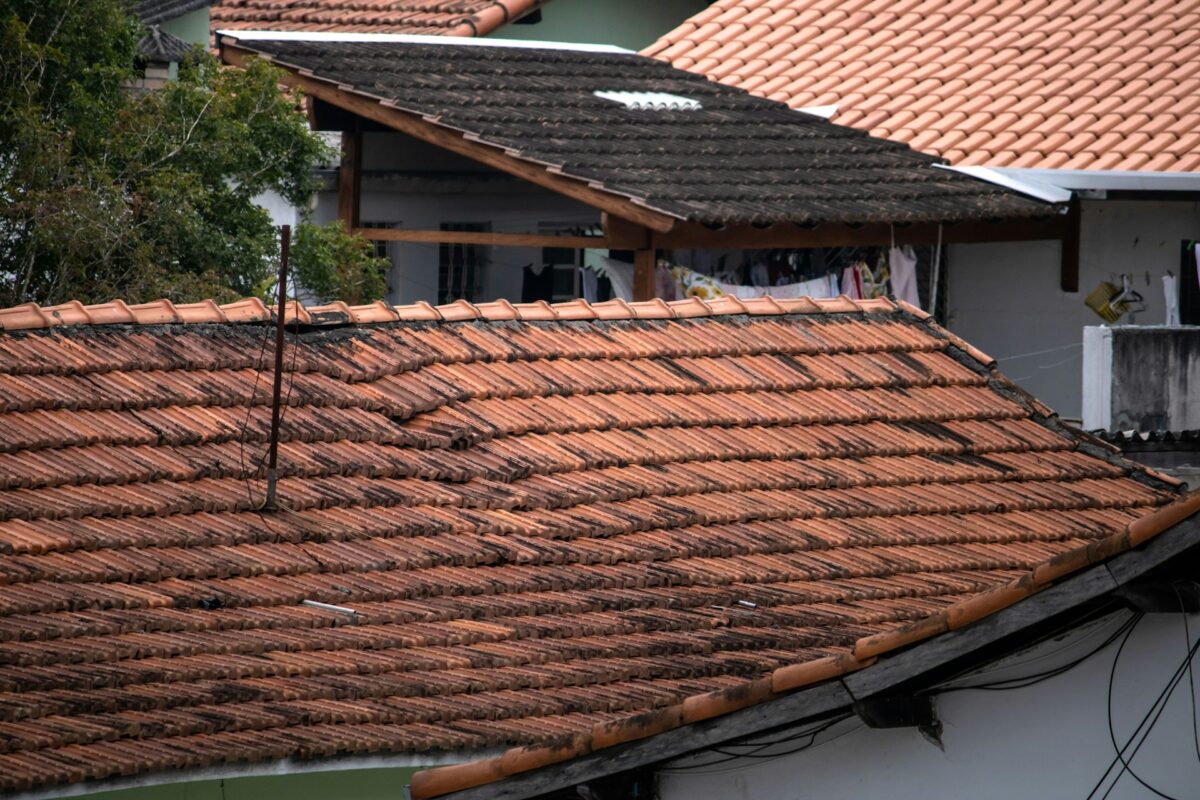

The first lie you’ll tell yourself after a big storm is that your roof looks fine from the driveway.
I get it.
You stood at the window during the worst of it, the power flickered twice, a branch landed somewhere near the fence, and by morning everything seems normal. That false calm is exactly how a $600 repair turns into a $9,000 one.
Atlanta gets hit from every direction. Spring brings hail that sounds like gravel on a tin can, summer throws afternoon cells that dump an inch of rain in twenty minutes, and fall drags in whatever the Gulf decides to send north. Your roof takes all of it, quietly, until it doesn’t. If you’ve already noticed granules in the gutter or a brown ring spreading across the ceiling in your hallway, you’re past the guessing stage, and it’s worth talking to a team that handles roof storm damage in Atlanta before the next round moves through. The rest of this piece walks through what actually goes wrong, and what to do about it.
The damage you can’t see is the damage that costs you
Asphalt shingles are tougher than they look, which is the problem. Hail doesn’t have to punch a hole to ruin them. A strike knocks the granular surface loose, and those granules are the shingle’s sunscreen. Once they’re gone, the asphalt underneath bakes in Georgia heat and the shingle starts to fail two summers later, long after the storm has left everyone’s memory.
The same goes for wind. Atlanta sits far enough inland that people treat hurricane remnants as a rain event. They’re not. Sustained gusts peel back the edges of shingles along ridges, hips, and the windward slope of your house. From the ground it looks like nothing. Up close, those lifted edges are open doors, and every rain that follows pushes water sideways under the field of shingles.
Your best tool here isn’t a ladder. It’s a phone. Walk your yard after a storm and photograph anything that came down, check your gutters for grit, and look at your ceilings for tea colored staining. That paper trail matters later.
What official guidance says about storm recovery at home
There’s a reason disaster agencies keep repeating the same advice in the same order: document first, then act. According to FEMA, homeowners should photograph and video damage before making any repairs and keep every receipt, because that record is what supports a claim. You’d be surprised how many Atlanta homeowners start tearing out wet drywall or sweeping shingles off the lawn before they’ve taken a single photo.
Watch the sky as closely as your gutters. Seasonal storm patterns across the Southeast are tracked and forecast publicly, and a quick check against the National Weather Service outlook before the season turns can tell you whether you’re looking at a quiet stretch or a rough one. That’s the week to get your roof inspected, not the week your ceiling gives out.
Three questions to ask before you pick up the phone
- Is the company local, or is it a truck that appeared after the storm? Storm chasers flood metro Atlanta after every major hail event, knock on doors, collect deposits, and disappear by the next county. Local matters.
- Will they put anything in writing about the inspection? A real inspection ends with photos and a written summary, not a verbal “yeah, you’ve got some damage.”
- Do they walk you through the claim or just hand you a number? Insurance paperwork is where homeowners lose money, and it’s a skill, not a favor.
I’d take a roofer who answers question two well over one charging a few hundred dollars less. The inspection is the whole ballgame. It’s the difference between a repair you can budget and a claim you can support.
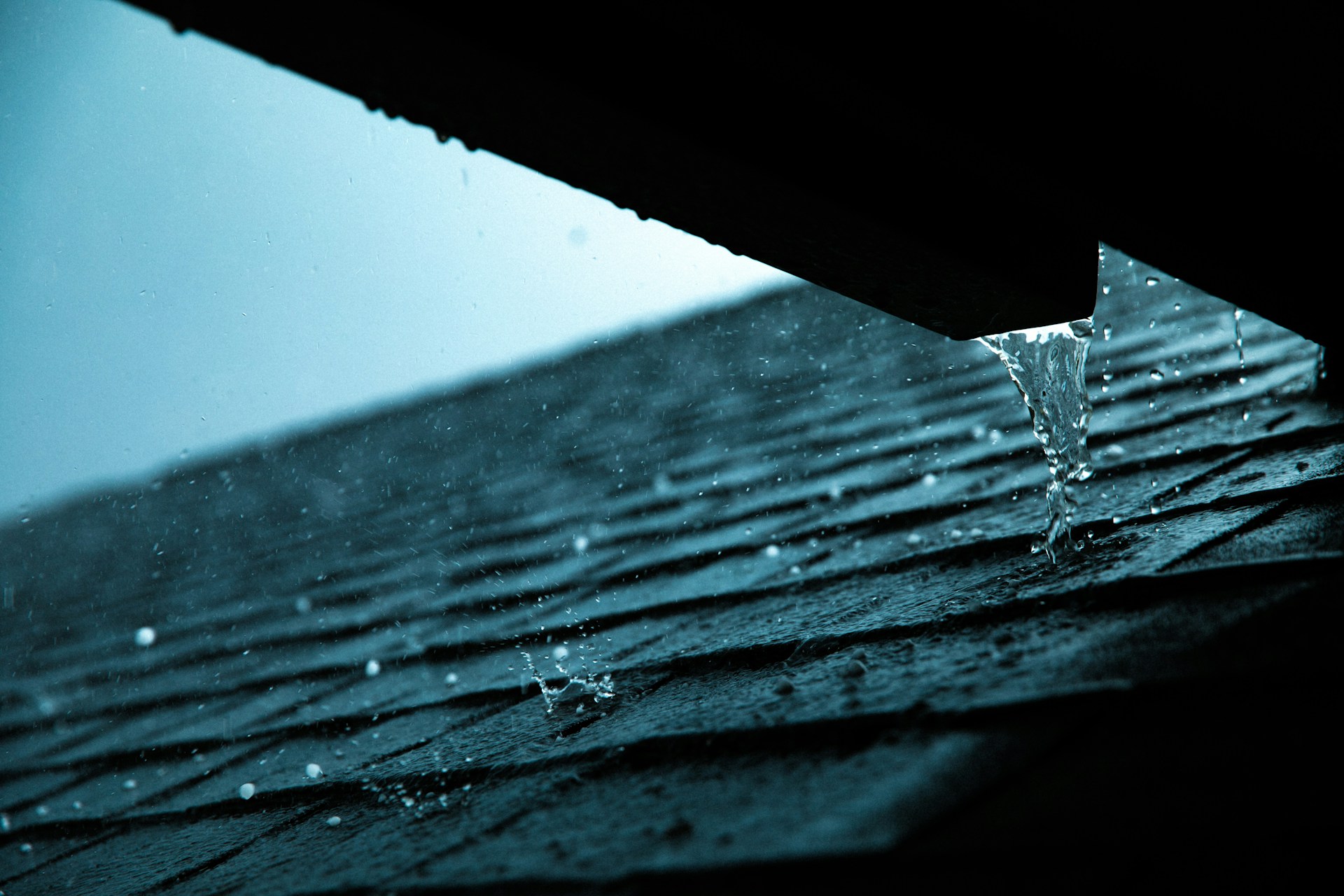
The five point check I’d run after every major storm
I’ve walked enough Atlanta homes after weather events to know what separates a cheap fix from a nightmare, and it always comes down to the same handful of spots. Run this list in order. It takes twenty minutes and saves you a season of stress.
Ground level first. Look for shingle pieces, siding scraps, and dented gutters. Impact marks on downspouts and metal flashing are the tell. South and west facing slopes catch the worst of it in this part of Georgia, so start there.
Attic second. Take a flashlight up and look at the underside of the roof deck. Water stains, dark streaks on rafters, or daylight showing through nail holes mean water is already getting in, even if the inside of your house looks dry.
Ceilings and walls third. Check the corners of upstairs rooms and around the chimney chase. A brown bloom on the ceiling is a late symptom, not an early one. If you find one, you’ve had a slow leak for a while.
Gutters and downspouts fourth. Are they pulling away from the fascia? Does water run out where it shouldn’t? A clogged or loose gutter pushes water into your foundation instead of away from it.
Ground slope last. Walk the perimeter of the house. Water pooling anywhere near the slab or crawlspace after a storm means a drainage problem on top of a roof problem.
Anything you can’t check safely, leave alone. Roof walking is how Homeowners break wrists and turn a repair into a rebuild.
A quick word on claims, since this is where people get weird
Nobody enjoys filing a claim, and plenty of Atlanta homeowners avoid it out of fear that their premium will spike or the policy gets dropped. That anxiety is real, and honestly, the insurance side of this isn’t something a roofer or a blog post should be advising you on. Consumer protection watchdogs at the U.S. Government Accountability Office have long tracked how property insurance claims and disputes play out for owners, which is a fair reminder that you’re allowed to ask questions and push back when something seems off.
Do the sensible thing: read your deductible, understand what wind and hail coverage actually looks like on your policy, and don’t sign an assignment of benefits contract you haven’t read twice. If a contractor wants to “handle everything with your insurer” and asks you to sign away your rights to the claim, walk away. That’s not customer service, that’s a setup.
Why waiting costs more than calling
Every day you wait, water keeps working. It gets into the deck, softens the framing, soaks insulation, and starts feeding mold in corners you’ll never see. By the time you notice, you’re not pricing a roof repair anymore. You’re pricing a restoration project with a demolition phase.
Here’s my honest read after watching this play out across metro Atlanta: most homeowners overthink the decision and underthink the timing. The decision is easy, because a good local roofer will tell you if you don’t actually need anything. The timing isn’t, because the damage doesn’t wait for you to feel ready.
So go check your attic this week. Take the photos. Keep the receipts. And if something looks off up there, get a set of trained eyes on it before the next line of storms rolls through. What’s the one spot on your roof you’ve never actually looked at?