







Eleven thousand dollars.
That’s the number one Omaha homeowner told me she had in her head before she ever called a contractor, and she wasn’t far off.`
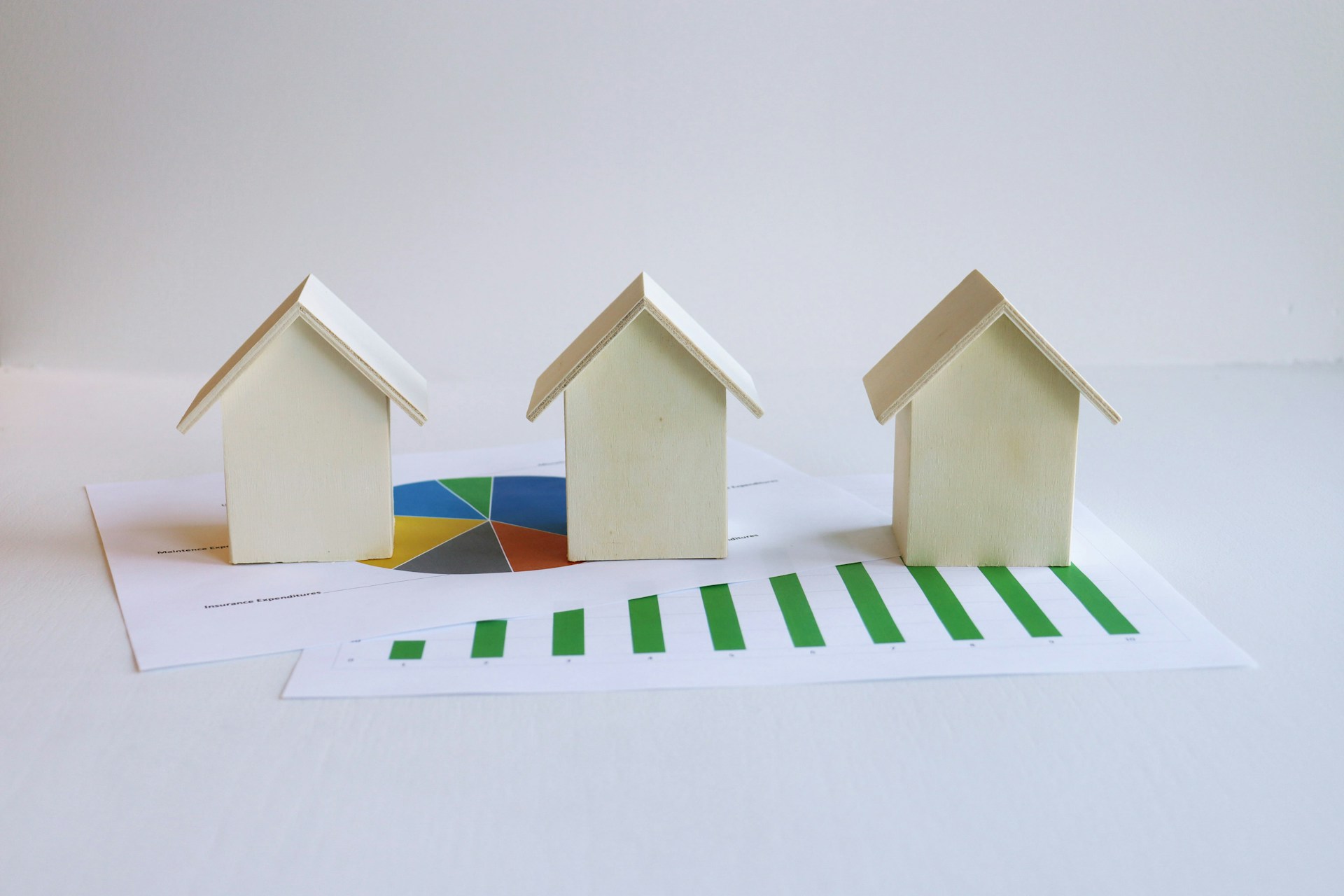
She just had no idea which version of that number she’d actually end up paying.
Here’s the thing about siding: it’s one of those projects where the quote can swing wildly from house to house, even on the same street. Two ranches sitting side by side can get estimates that differ by thousands. The reason isn’t the contractor padding the bill. It’s the house itself, and everything hiding behind the old panels.
If you’re trying to wrap your head around what new siding cost in Omaha actually looks like, the honest answer is that it depends on more moving parts than most homeowners expect. But that doesn’t mean you’re flying blind. Once you understand what drives the number, you can walk into any estimate and know whether it’s fair.
What Actually Drives the Price
Square footage gets all the attention, but it’s rarely the biggest swing factor. The shape of your house matters just as much. A simple rectangular footprint with a gable roof goes up fast. Add dormers, a wraparound porch, multiple stories, or a bay window that needs careful trimming, and suddenly you’re paying for ladder time, custom cuts, and a crew that’s moving slower because every corner is a puzzle.
Then there’s what’s underneath. If the old siding comes off clean, great. If it’s hiding rot, water damage, or insect activity, that’s repair work before any new panel gets nailed up. In Omaha, this comes up more than folks expect, because the freeze-thaw cycle here is brutal on exterior walls. Water gets into a seam, freezes, expands, and by spring you’ve got soft spots that weren’t there in October.
And the material itself? That’s the range everyone quotes but nobody explains. Vinyl sits at the budget end. Fiber cement, engineered wood, and composite options climb from there, and each one brings its own lifespan and maintenance story with it.
Why Omaha Weather Isn’t Just Small Talk
Homeowners everywhere deal with weather. Omaha deals with all of it in a single year. According to the National Weather Service, this region swings between humid summer heat and hard winter cold with real freeze-thaw cycling in between, which is exactly the kind of stress that ages siding faster than a mild coastal climate would.
That matters for your budget in two ways. First, it means the material you pick should be rated for temperature swings, not just curb appeal. A panel that looks great on a design blog might not love a Nebraska February. Second, it means the condition of your current siding matters more than it would somewhere gentler. You’re not just replacing a cosmetic layer. You’re replacing the thing standing between your walls and the weather.
I’d take a mid-grade panel installed correctly over a premium panel installed fast, every single time. The install is what keeps water out.
How Home Size Fits Into the Equation
Here’s where the math gets more intuitive. Bigger house, more material, more labor hours. A compact cottage naturally costs less than a sprawling ranch with the same siding choice. Multi-story homes add a premium too, partly for equipment and partly for the simple fact that working at height takes longer and carries more risk.
Census data tells a useful story about why this varies so much block to block. The U.S. Census Bureau tracks housing characteristics nationwide, and it’s a reminder that homes in the same neighborhood were often built in different decades with different footprints. Two houses on your street might not deserve the same quote, and that’s normal.
A Budgeting Approach That Actually Works
Forget trying to nail one magic number. Build your budget in layers instead, so nothing surprises you when a real estimate lands in your inbox.
- Start with the material range for your house size. Use the low and high end of whatever siding type you’re seriously considering, not just the cheapest option on the market.
- Add a contingency for hidden damage. Given how Omaha winters treat exterior walls, set aside a buffer for rot or moisture repair. If you don’t need it, that’s money back in your pocket.
- Price the extras separately. Trim, insulation, and upgraded underlayment are real line items. Decide which ones you actually want before the crew shows up.
- Ask what causes the biggest jump. A good contractor will tell you plainly which upgrade adds cost and which one adds value. If they can’t explain the difference, that’s your answer about hiring them.
The homeowners who end up happiest with this project are the ones who built in room for the unknown, not the ones who chased the lowest bid. Cheap quotes usually mean something got left out, and it tends to show up later.
Should You Think About Long-Term Value?
Here’s a question worth sitting with: what’s the actual lifespan you’re buying?
Siding isn’t a forever purchase, but the gap between options is wide. Some materials hold up for decades with minimal attention, while others look tired long before that. If you plan to stay in your home for a long time, the math shifts toward durability. If you’re selling in a few years, curb appeal might carry more weight than longevity.
Waste and disposal factor into this too. The Environmental Protection Agency maintains that construction and demolition materials make up a significant share of the waste stream, which is one small reason a well-planned project with accurate measurements can cost less than a sloppy one. Fewer wrong cuts, less waste, less to haul away.
The bottom line is that you’re not just buying panels. You’re buying protection, appearance, and a timeline. All three belong in your budget conversation.
What to Do Before You Sign Anything
Get more than one estimate, and make sure each one separates materials from labor from repairs. Ask specifically how they’ll handle damage found once the old siding is off, since that’s where surprise costs usually hide. And walk the property with whoever’s quoting it, so you can point out the spots that have given you trouble.
The number you end up paying will make sense once you understand what built it. So which matters more for your house: the lowest upfront price, or the siding you won’t have to think about again for twenty years?