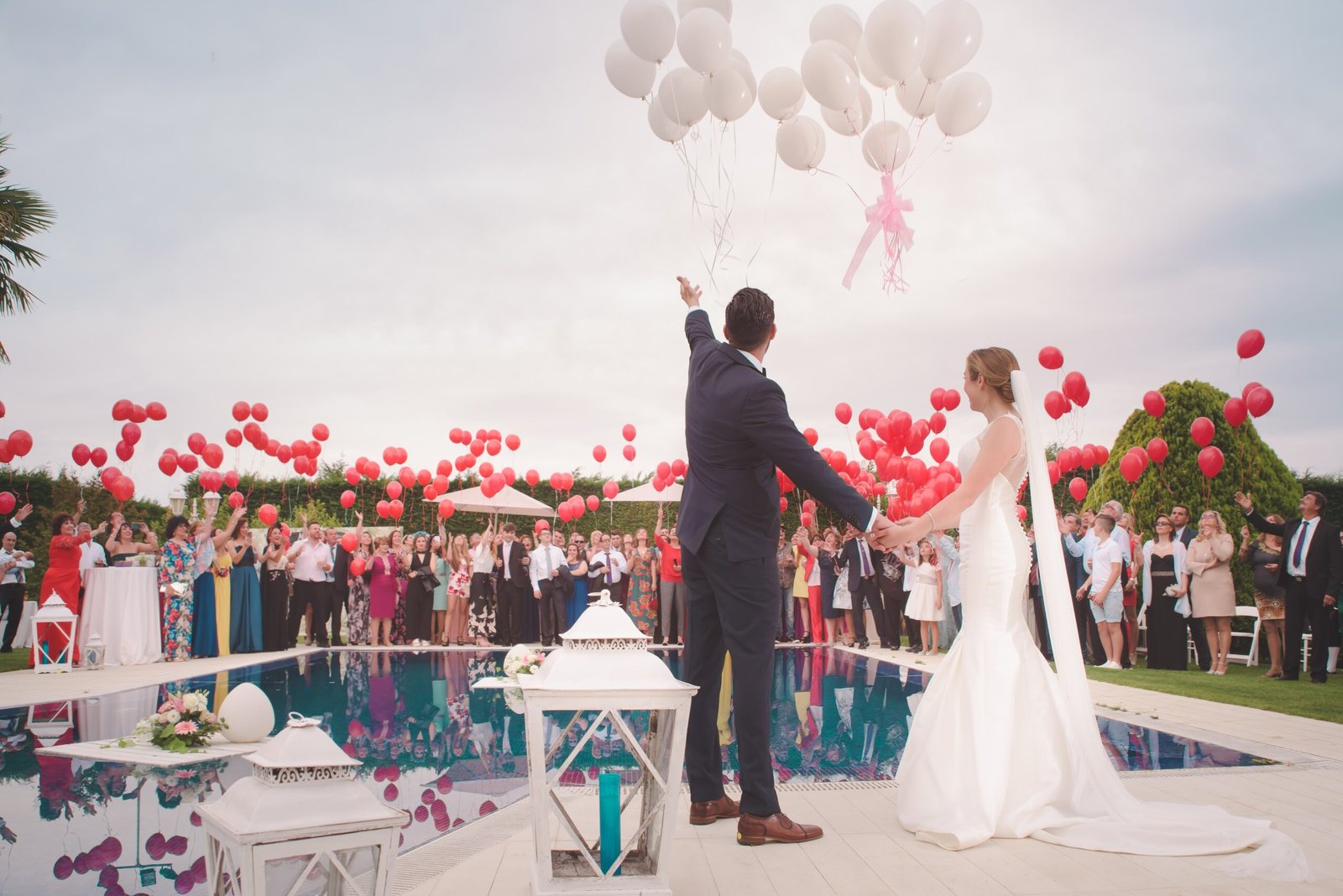




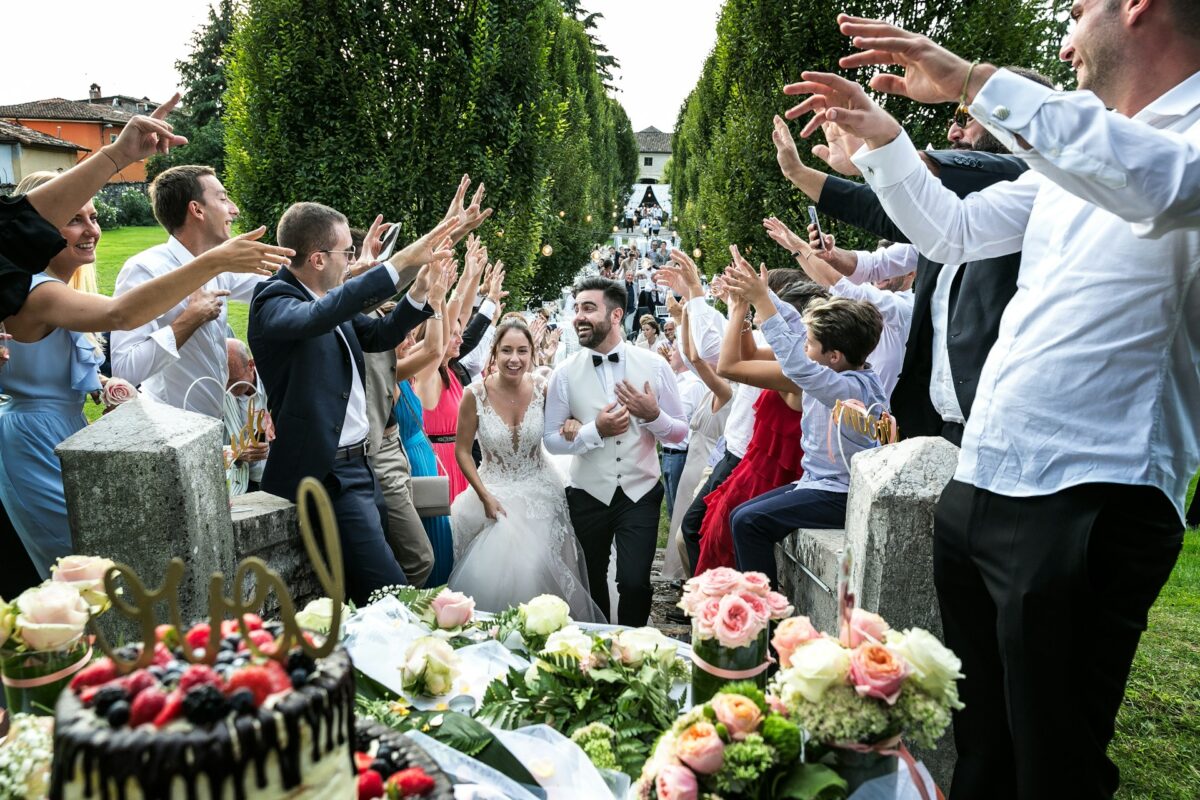

A wedding no longer lives only in the aisle, the kiss and the first dance.
The real shape of the day now sits in the pauses: hotel check-ins, bus rides, cocktail gaps, delayed speeches, late-night coffee, phone chargers passed across tables.
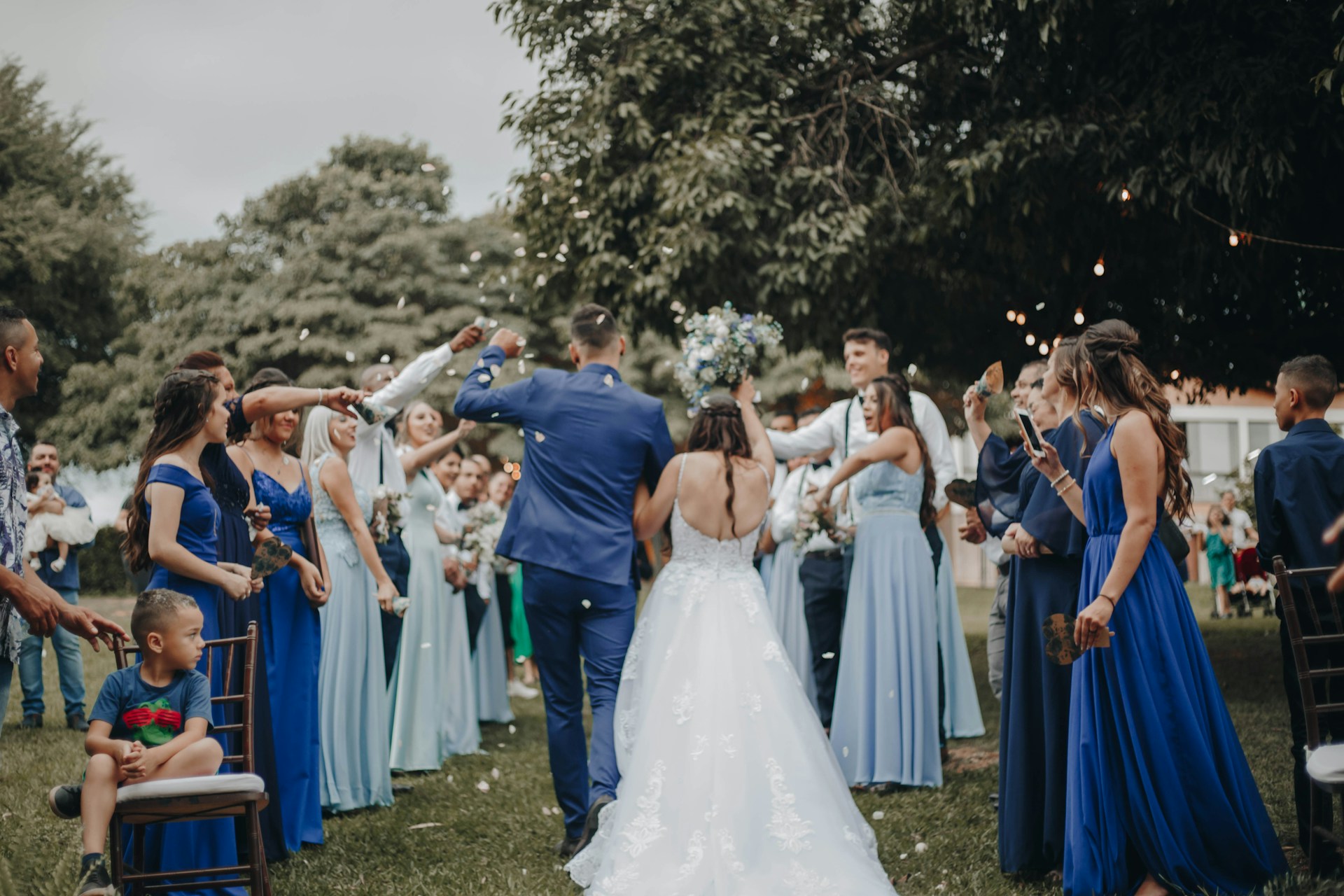
Couples still care about flowers, stationery, vows and photographs, but guest experience has become the harder test. A beautiful invitation sets the promise; the weekend itself has to keep it.
That is where wedding planning has changed. The best celebrations now treat downtime as part of the design, not an accident between formal moments. Guests arrive with smartphones, travel fatigue, live scores, group chats and personal habits. The task is not to fight that reality. It is to stage the day so digital behavior never eats the emotional center of the room.
The invitation is still the first piece of choreography
Luxury wedding stationery works because it slows people down before the event begins. Paper, acrylic, wax seals, deckled edges and foil do something a screen rarely does: they give the wedding weight. A guest who opens a textured invitation understands tone before reading the dress code.
That first signal matters for planning. A black-and-gold suite suggests formality. A passport-style invite prepares people for travel logistics. A soft floral card tells guests to expect intimacy rather than spectacle.
Strong stationery should answer practical questions before the group chat starts:
- Where does the day actually begin?
- Is transport arranged or individual?
- How long is the gap between ceremony and dinner?
- Will guests need cash, ID, comfortable shoes or a second outfit?
- Is the wedding a one-day event or a full weekend?
The more clearly the invitation frames the rhythm, the fewer small frictions appear later.
Guest experience now beats decoration alone
Modern weddings are judged less by how expensive they look and more by how they feel hour by hour. Guests remember whether they were hungry at 4 p.m., whether the shuttle left on time, whether the bar line collapsed after speeches, whether they had anywhere to sit before dinner. A spectacular floral arch cannot fix a badly paced afternoon.
The smarter approach is practical and slightly unromantic. Build the guest journey like a production schedule. Arrival, ceremony, drinks, food, music, transport and after-party should have a clean handoff. The couple should not need to explain the day repeatedly because the design has already done that work.
Small details carry more force than couples expect. A printed weekend card in the welcome bag can reduce confusion. A QR code can handle updates without replacing the invitation suite. A seating chart near the bar helps more than a decorative sign hidden at the entrance.
Where sport slips into the gaps without stealing the room
Wedding receptions have always had dead air: the photographer needs another 20 minutes, the band is still setting up, the kitchen is running behind schedule. Adult guests fill those gaps in familiar ways, checking messages, scanning news, watching clips or following a match that started during the ceremony. During that lull, a few guests may track a cricket chase or football market on a betting site, not because the wedding has lost them, but because sport travels with adult social life. The healthier rhythm is controlled and brief: check the score, read the odds movement, keep stake size fixed and return to the table. Betting fits a wedding weekend only when it stays in the entertainment budget, never in the money reserved for travel, gifts or the couple’s events.
This is also why hosts should plan realistic pauses. A 90-minute cocktail gap with no food and no seating turns phones into escape routes. A 35-minute gap with drinks, shade, clear timing and a visible schedule keeps the room together. People do not need constant entertainment. They need confidence that the day is moving.
The phone is now part of the wedding kit
The modern guest arrives with four digital jobs before the first toast: maps, photos, payments and communication. Add weather checks, ride-share apps, hotel messages, playlists and live sport, and the phone becomes part of the outfit. That does not make the wedding less emotional. It makes planning less forgiving.
Couples can reduce screen clutter without pretending smartphones do not exist. Put the schedule in one place. Give guests a charging point away from the ceremony space. Ask for unplugged vows if needed, then loosen the rule at dinner. A good wedding does not ban digital life; it gives it boundaries.
Mobile betting habits belong in short, contained windows
Guests who follow sport on an iPhone usually care about speed rather than spectacle. They want a stable login, clear bet slip, visible odds, fast market switching and account controls that do not require digging through menus. A page explaining Melbet app download for iOS can fit that mobile routine when a guest wants to check pre-match lines before the reception restarts. The useful part is not constant access; it is having live markets, limits, transaction history and verification steps in one controlled place. On a wedding weekend, that kind of use should stay brief, private and separate from shared moments at the table.
This is the same principle planners already use with photography. Guests can take pictures, but not block the aisle. They can post stories, but not spoil the couple’s reveal. They can check a live score, but not turn the reception into a second-screen sports bar.
Stationery can manage behavior better than speeches
Printed material still has authority because guests trust it more than a scattered message thread. A weekend card, menu insert or welcome note can quietly shape behavior without sounding strict. The tone should be warm, but the details should be firm.
Useful wedding stationery can include:
- Ceremony start time and real arrival time.
- Transport pickup points and return windows.
- Dress code with terrain notes: grass, stairs, beach, gravel.
- Meal timing for long receptions.
- Phone etiquette during vows.
- QR code for schedule changes.
- Emergency contact for logistics, not the couple.
The goal is not to over-instruct adults. The goal is to remove guesswork. Good stationery lowers the number of awkward questions and lets guests spend more attention on the celebration.
The best wedding weekends leave room for real pauses
A wedding packed too tightly starts to feel managed rather than hosted. A wedding with no structure starts to leak energy. The middle ground is where the best guest experience lives: enough schedule to feel cared for, enough air to let people breathe.
That balance affects every supplier decision. Stationery sets expectations. Transport protects timing. Food protects mood. Music controls recovery after speeches. Digital habits fill the small cracks between those pieces.
The smartest hosts do not try to erase the outside world for 12 hours. They make the wedding strong enough that people want to come back from their phones quickly.