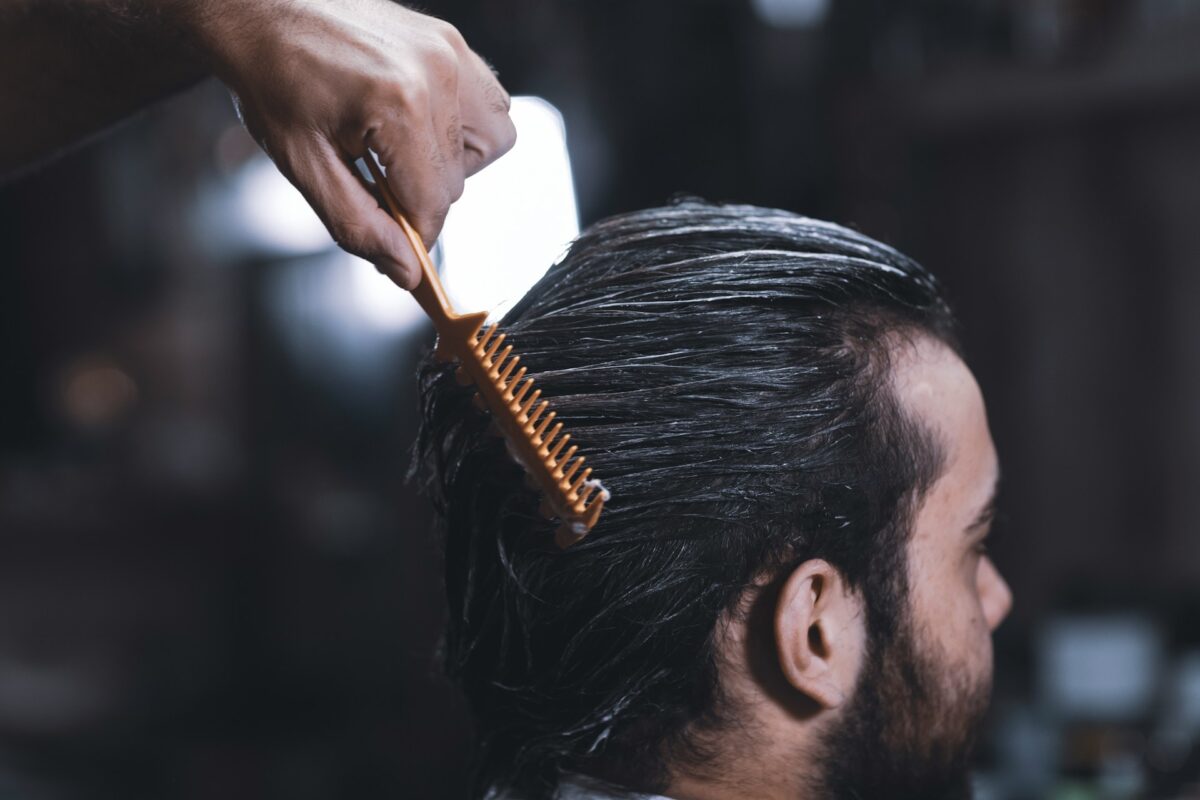

A receding hairline is often one of the first signs of male pattern hair loss. It may begin at the temples before moving farther across the front. Some men notice slow changes over many years. Others feel that their appearance changes within a much shorter period.
A hair transplant can rebuild selected areas by moving suitable follicles from the donor zone. However, surgery cannot stop untreated native hair from continuing to thin. The plan must therefore consider the current recession and its likely future direction. A good result should still appear believable as the man becomes older.
The pattern of recession matters
Hairlines do not always recede in the same shape or at the same speed. One man may develop deeper corners while retaining strong central density. Another may lose hair evenly across the whole frontal region. These differences affect the design, graft requirement and likely visual improvement.
The practitioner should also examine the hair behind the visible hairline. Miniaturised hairs can signal an area that may become thinner later. Placing grafts without considering that change can create an isolated band at the front. Long-term planning reduces the risk of this unnatural separation.
Stable hair loss is easier to plan
Surgery is often easier to plan when the pattern has shown some stability. Rapid recession makes it harder to predict the area that will eventually need coverage. Younger men may also have many years of further change ahead. This does not always prevent surgery, but it demands a conservative approach.
A clinician may discuss methods for managing ongoing hair loss before or after surgery. Any medical treatment should be considered with an appropriate healthcare professional. The aim is to protect useful native hair where possible. A transplant and ongoing management can serve different parts of the same plan.
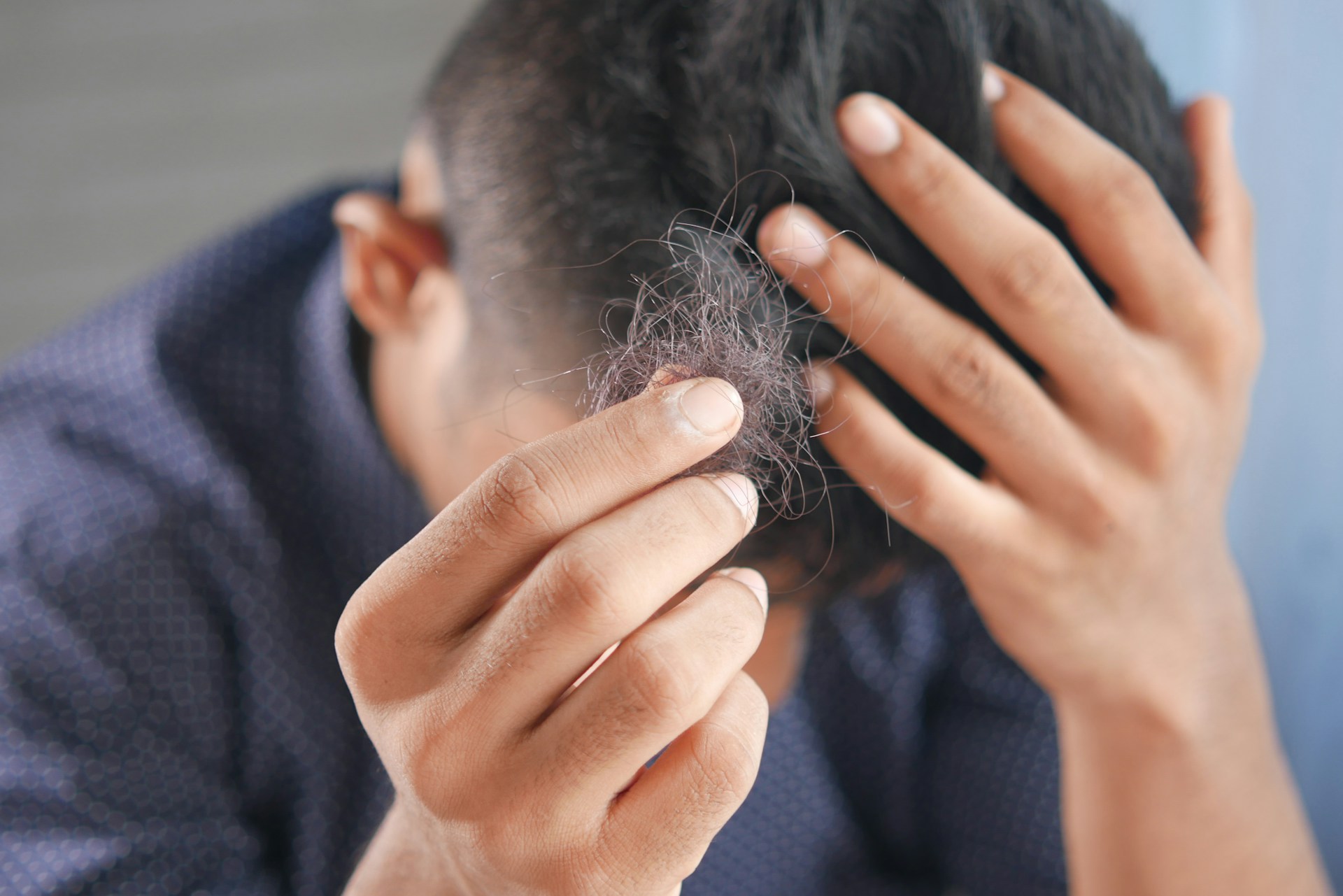
Hairline height affects graft use
Lowering a hairline increases the surface area that requires transplanted hair. Even a small change can add a meaningful number of grafts. A very low design may also look out of place as facial features mature. Conservative placement usually makes better use of a limited donor supply.
The new line should relate to the forehead, temples and existing areas of strength. It should not simply copy a photograph from another patient. Bone structure and facial proportions differ between individuals. Personal design is essential when the goal is a natural result.
Temple areas need careful design
The temples play an important role in framing the face. They also require precise control of angle and direction. Hairs in this area often sit flatter against the skin. Grafts placed too upright can appear obvious when the hair is short.
Restoring every part of a youthful temple shape may not be sensible. The work must fit the available donor hair and the wider pattern of loss. Subtle improvement can create a stronger frame without using excessive grafts. Restraint often produces a result that ages more naturally.
Density should be judged realistically
Transplanted density cannot always match the density a man had as a teenager. The surgeon must distribute a finite number of follicles across the planned area. Hair calibre, curl and colour can improve or reduce the impression of coverage. Styling choices also influence how full the result appears.
Men researching hair transplant options should ask how the proposed density was calculated. The answer should account for donor supply and future loss. It should also explain which areas receive priority. A clear explanation is more useful than a promised graft number alone.
Existing hair can improve the visual result
Native hair within the recipient area can add valuable coverage. Transplanted follicles may work between those hairs rather than replacing them. This approach can create a fuller appearance with fewer grafts. It also requires care because existing follicles may be vulnerable to temporary shedding.
The clinic should explain the possibility of shock loss before treatment. Some affected hairs recover as the growth cycle settles. Weaker miniaturised hairs may not return in the same way. Patients need a realistic discussion about this uncertainty rather than a guarantee.
The donor area sets the boundary
Every hairline plan depends on the quality and quantity of donor hair. The donor area must support safe extraction without becoming visibly thin. It may also need to provide grafts for future work. Using too much supply at the front can restrict later choices.
A receding hairline can often be improved when the donor area is suitable. The strongest plans balance present goals with possible future needs. They use design and placement to create impact without chasing impossible density. That balance is what helps a restored hairline remain convincing over time.
Photographs can clarify the starting point
Men often adapt their hairstyle gradually and stop noticing the exact pattern of recession. Clear photographs can show the temples, centre and density behind the hairline. Older images may reveal how quickly the change developed. This record gives the consultation more useful context than memory alone.
Photographs should use neutral lighting and avoid fibres or heavy styling products. Wet and dry views can show different aspects of coverage. The aim is not to make the hair look worse. It is to document the starting point fairly so later comparisons remain meaningful.
Styling goals belong in the plan
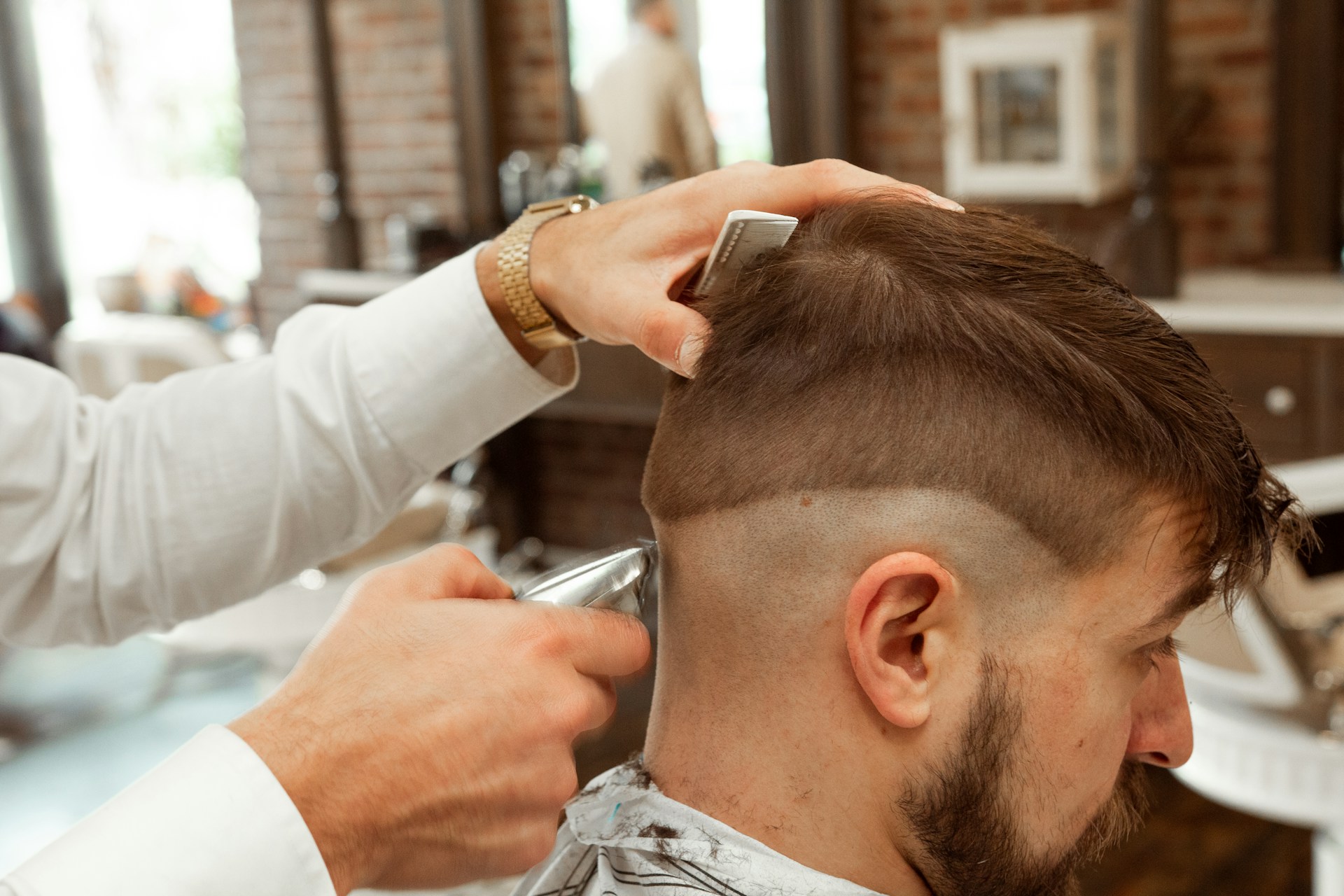
A restored hairline should support the way a man expects to wear his hair. Brushed-back styles expose the front edge and temples clearly. Forward styles can create coverage with a more conservative design. The clinician should understand these preferences before drawing the proposed line.
Styling goals may change as the patient becomes older. A flexible design should work at different lengths and in ordinary lighting. It should not depend on one carefully arranged clinic photograph. Practical versatility is an important part of a natural result.