







Hearing plays an important role every day in all our lives, helping people communicate with one another, listen to music, and socialize with friends, family, or even strangers.
Identification of hearing deficits early on is important for appropriate management.
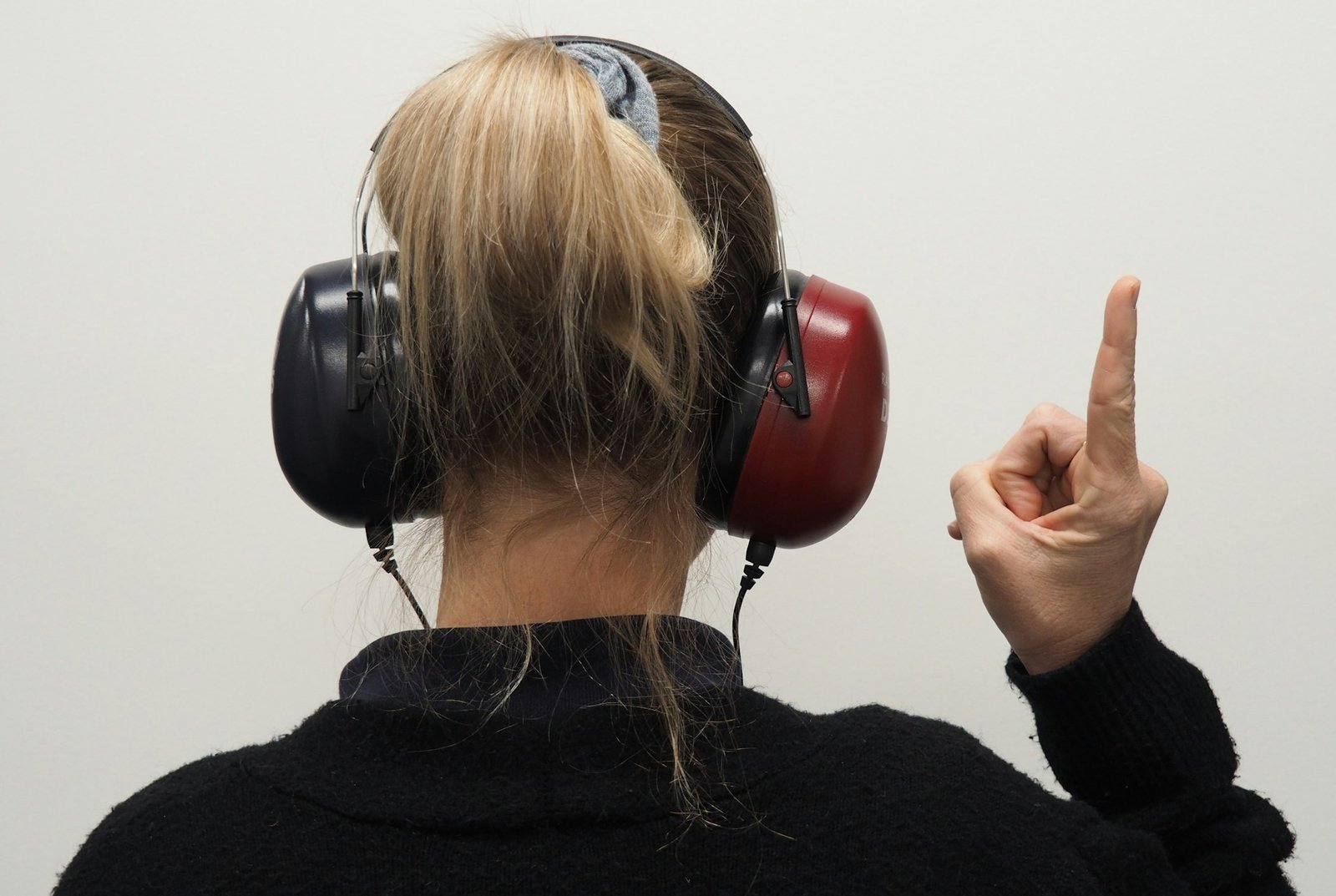
Audiometry testing is about the identification of subtle shifts before they spiral out of control and, therefore, offers a pragmatic solution. Audiometry helps detect changes in hearing at an early stage, which aids in better health outcomes, as discussed in this article.
Understanding Audiometry Testing
Audiometry testing refers to evaluating hearing and the ability to hear different types of sounds. Hearing testing may be conducted using specialized equipment that precisely measures sensitivity to sound at various pitches and loudness levels. In Audiometry Testing in Livonia, MI, or elsewhere, individuals wear headphones and listen to a set of tones. By testing the two ears separately, we are able to provide precise details on hearing ability. Results are interpreted by trained professionals who provide a qualified perspective on hearing health.
Subtle Signs of Hearing Loss
Initial hearing problems are something most people are unaware of. The most common signs involve difficulty following conversations in loud environments or asking people to repeat what they said regularly. The fact that these abnormalities seem trivial does not prevent their impact from being evaluated by audiometry assessments, though. The sooner one can identify these signs, the sooner action can be taken. Evaluations on a regular basis act as an early warning and are helpful in catching changes at first.
How Audiometry Testing Works
The actual test is simple and non-invasive. Subjects sit quietly in a soundproof room and listen to sounds at varying volumes and frequencies. Every time a sound is heard, the individual acknowledges recognition, usually by pushing a button. Responses are recorded in a profile for each ear, and with a good hearing assessment, only a trained professional can conduct it. This provides a profile that identifies differences in hearing sensitivity, which can help in early intervention planning.
Benefits of Routine Hearing Assessments
Routine audiometry testing has several advantages. The sooner someone identifies their hearing loss, the sooner hearing devices or therapy can be put in place, and the less impact it will have on communication skills. Regular tracking can also show trends or the progression of symptoms that allow professionals to recommend appropriate levels of treatment. If you receive assistance quickly, this can help to maintain any hearing that you do have and slow the loss of hearing. Hearing health professionals leverage this information to help direct individuals to safety.
Supporting Communication and Well-being
Hearing changes can disrupt relationships, social interaction, and emotional well-being when left untreated. Audiometry tests enable individuals to retain their communication skills. By identifying problems early on, frustration and isolation are diminished, creating feelings of wellness. But the introduction of hearing aids, assistive devices, or therapeutic measures can start at the earliest stage and facilitate maintenance of conversation and group participation.
Who Should Consider Audiometry Testing
Hearing tests can be conducted on anyone and everyone. People who are often around loud sounds or who often have ear infections may be at greater risk for this. Older adults might also have a higher risk of progressive hearing loss. For children in particular, occasional evaluations are crucial because the sooner speech and language development issues are identified, the sooner these subtle speech and language difficulties can be addressed. Early testing means that people of all ages can stay so much more independent and at least have their voice.
How Hearing Health Professionals Can Help
Qualified professionals are essential to accurate testing and interpretation. This enables them to explain results and provide pragmatic recommendations. They guide people every step of the way, giving that needed little nudge. A partnership with a hearing health provider connects people with beneficial resources and continuing care. This bond fosters a proactive approach to hearing health, which in turn paves the way for better long-term outcomes.
Conclusion
Audiometry is a solid method of checking changes in hearing and is an important tool for early detection of hearing changes. Early detection allows for prompt intervention, maintenance of speech and language abilities, and personal health. By regularly making assessments, you can always know how far you’ve gone, and a trained professional will always be able to tell you when you are at risk, so you can act before the guide goes out of hand. Pursuing audiometry can be an essential aspect of putting hearing health into practice and staying connected to the sounds and voices that make everyday life more enjoyable.