






Recovery is no longer just ice baths and rest days. A growing number of athletes, physicians, and wellness researchers are turning to infrared sauna therapy as one of the most effective and enjoyable tools for physical and mental restoration.
What Makes Infrared Different
Traditional saunas heat the air around you to temperatures of 180–200°F. Infrared saunas work differently: they emit near, mid, and far-infrared wavelengths that penetrate the body’s tissues directly, warming you from the inside out at lower ambient temperatures (typically 120–150°F). The result is a deeper, more therapeutic sweat at a temperature that most people find far more comfortable to sustain.
The Science Behind the Heat
Finnish researcher Dr. Jari Laukkanen has conducted some of the most cited studies on sauna use. His research, tracking more than 2,300 men over two decades, found that frequent sauna users had dramatically lower rates of cardiovascular disease, sudden cardiac death, and all-cause mortality. Those who used a sauna 4–7 times per week saw a 40% reduction in all-cause mortality compared to once-a-week users.
While Laukkanen’s original research used traditional steam saunas, subsequent studies confirm that infrared sessions produce comparable cardiovascular responses, including elevated heart rate, reduced blood pressure, and improved arterial flexibility, essentially mimicking the effects of moderate aerobic exercise.

Recovery, Inflammation, and Sleep
One of the most compelling use cases for infrared therapy is post-workout recovery. The deep tissue heat promotes muscle relaxation, reduces delayed-onset muscle soreness (DOMS), and increases circulation to areas that need repair. Athletes report faster turnaround between hard sessions and reduced joint stiffness.
The anti-inflammatory benefits extend beyond sport. A 2018 review in Evidence-Based Complementary and Alternative Medicine found infrared sauna therapy beneficial for chronic fatigue syndrome, fibromyalgia, and chronic pain — conditions characterized by systemic inflammation and autonomic dysregulation.
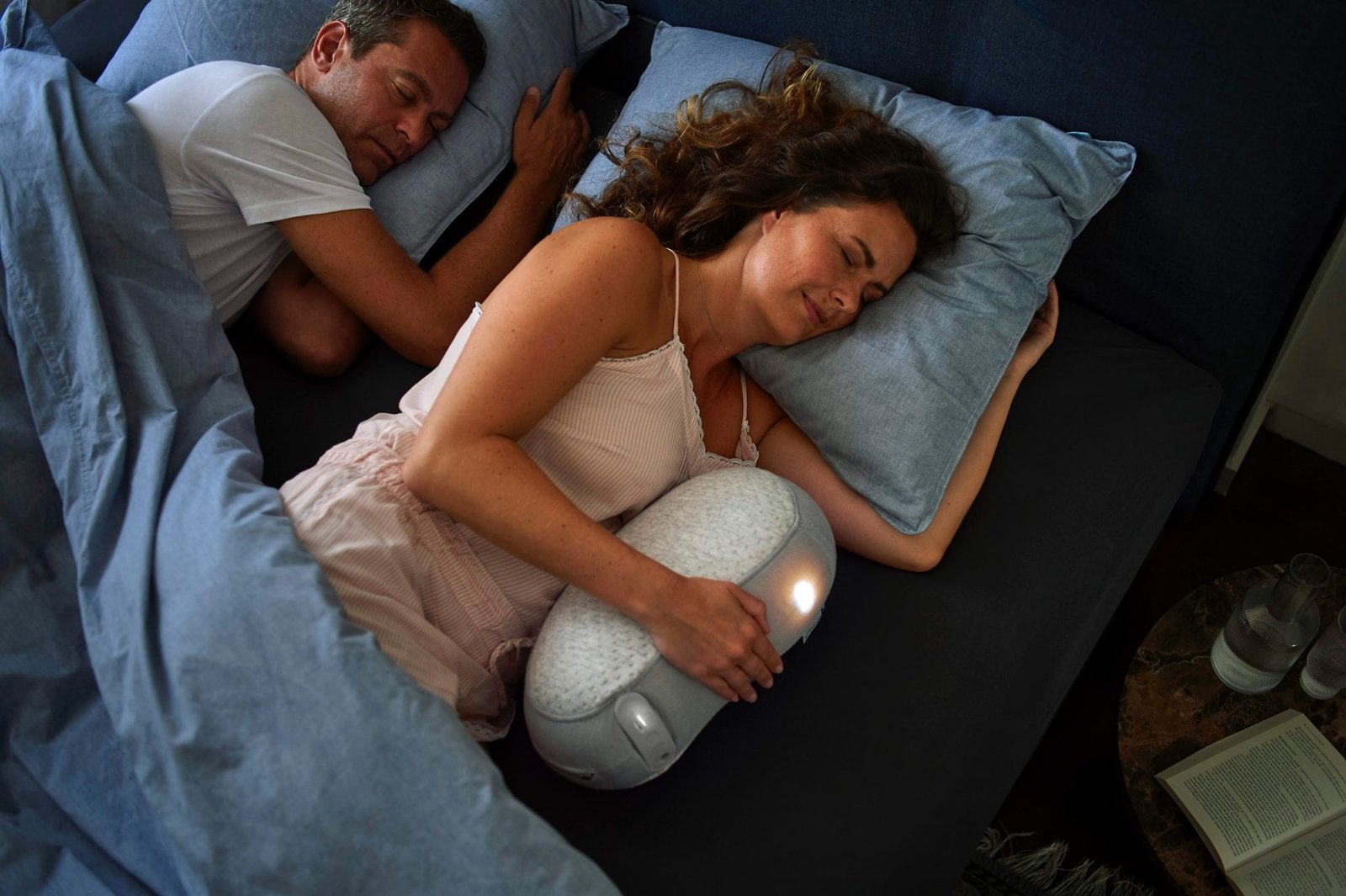
Sleep is another surprising beneficiary. The gradual cooling of core body temperature after a sauna session signals the brain to increase melatonin production, shortening sleep onset time and improving sleep quality, a benefit consistent with research on passive body heating as a sleep intervention.
Mental Wellness and Mood
The heat-induced release of endorphins and beta-endorphins during an infrared sauna session is well-documented. Users frequently describe a “sauna high” — a calm, euphoric state that persists for hours after a session. Regular users report reductions in anxiety, improved stress resilience, and a more positive baseline mood.
This isn’t anecdotal: research supports sauna use as a viable complementary approach for mild depression, with some studies finding effects comparable to moderate exercise — a known antidepressant intervention.
Choosing the Right Sauna
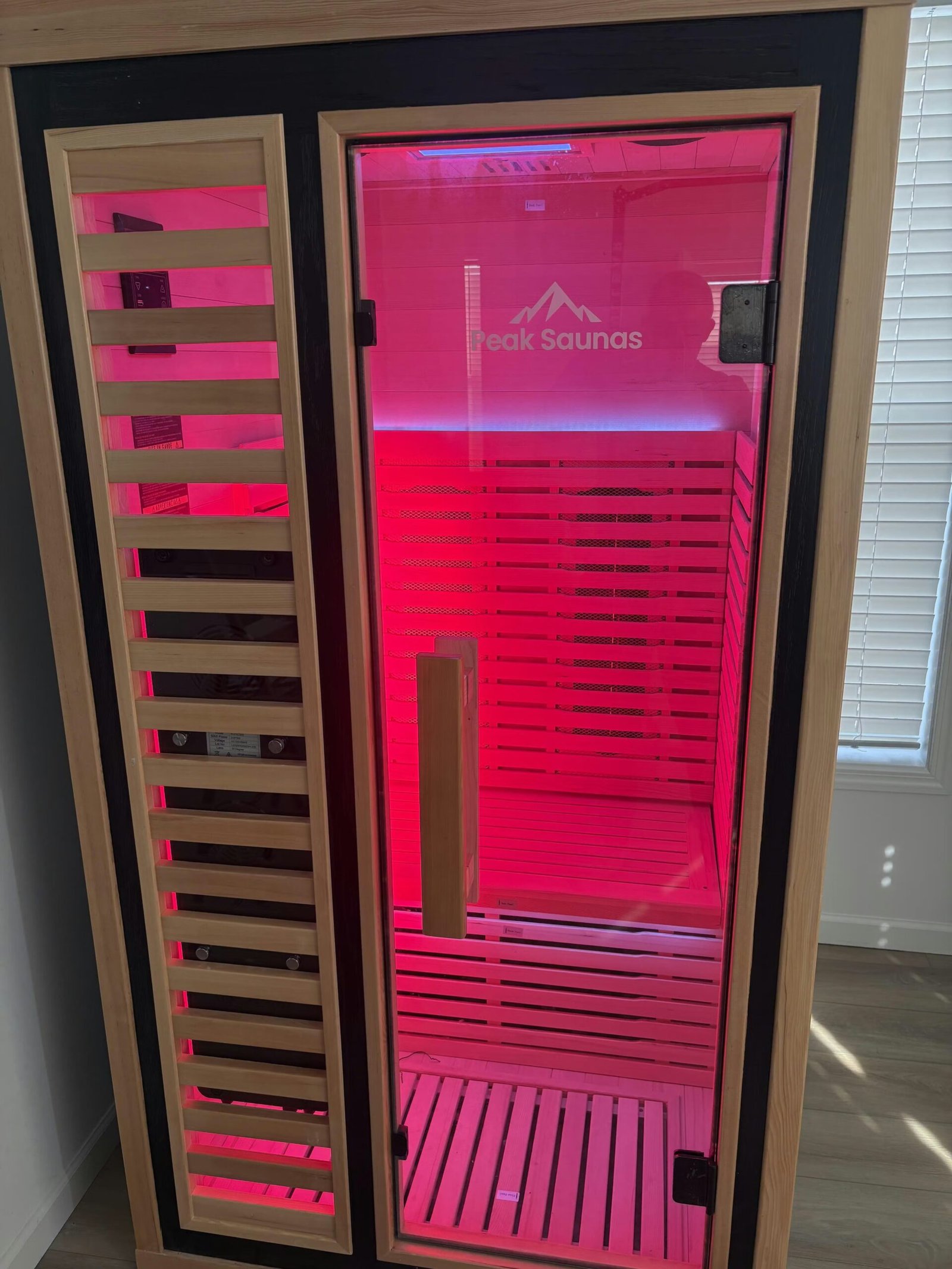
Not all infrared saunas are created equal. Key things to look for: true full-spectrum infrared (near, mid, and far wavelengths), low-EMF and low-ELF emitters (critical for those sensitive to electromagnetic fields), and medical-grade chromotherapy lighting for added benefit.
Peak Saunas is one of the few brands offering full-spectrum, near-zero EMF infrared saunas built to clinical standards — a growing category as consumers get more serious about the quality of their recovery tools.
Bottom Line
Whether you’re an athlete chasing faster recovery, a professional managing chronic stress, or simply someone who wants to invest in long-term health, the research on infrared sauna therapy is hard to ignore. Regular, consistent use, even 3–4 sessions per week produces measurable, lasting improvements in cardiovascular health, inflammation, mood, and sleep.
The science is there. The question is whether you’re going to act on it.