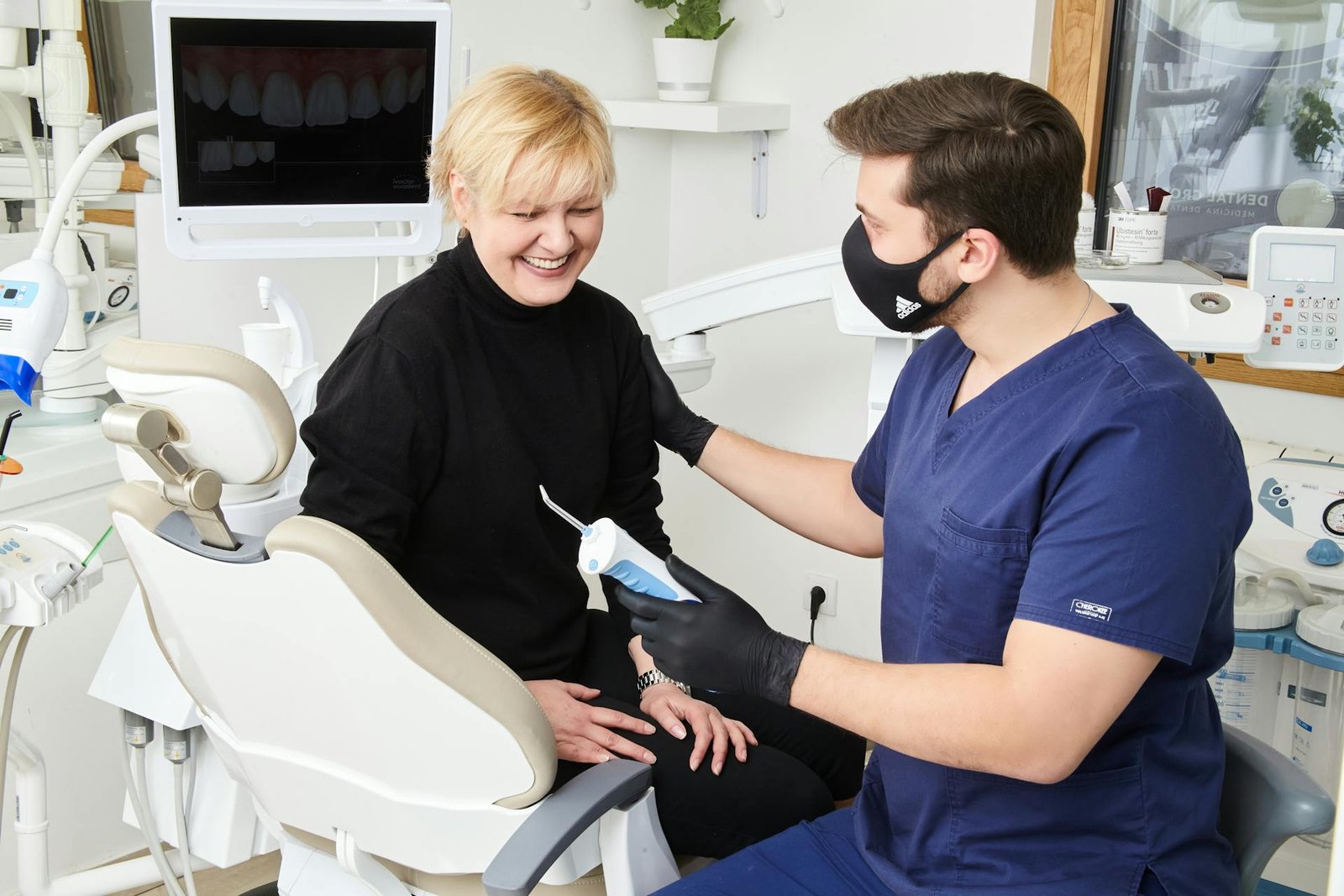







For dental professionals, dental loupes are more than just tools—they’re a daily essential.
Precision, posture, and performance all hinge on having the right magnification and optical clarity. But like any piece of equipment, loupes have a lifespan. Knowing when it’s time for a dental loupe upgrade can prevent neck strain, visual fatigue, and even compromised clinical outcomes.

11 Clear Signs You Need New Dental Loupes
1. Eye Strain at the End of the Day
If your eyes are sore, dry, or fatigued after routine procedures, it’s a sign your optics may be causing undue stress. Dental loupes with aging lenses or misaligned focal points force your eyes to compensate. This constant micro-adjustment leads to strain over time. Worse, it becomes easy to normalize the discomfort and chalk it up to workload when your equipment might be the culprit.
2. Poor Lighting Integration
Clear vision requires consistent illumination. If your loupes don’t support integrated LED systems or rely on outdated external lighting, shadows and inconsistent brightness will reduce visibility. This is especially problematic in posterior regions and during complex procedures. Newer models offer seamless lighting built directly into the loupe design, highlighting details with greater clarity and reducing guesswork.
3. Physical Discomfort
Recurring neck, shoulder, or back pain may stem from more than poor posture. Old or improperly fitted dental loupes often force clinicians to crane forward or tilt awkwardly to maintain a proper field of view. Ergonomic fit is no longer optional—it’s a critical component of occupational longevity. If discomfort is persistent, it’s time to replace dental loupes that no longer support healthy positioning.
4. Loupes Feel Too Heavy
Weight matters. Older dental loupes are noticeably heavier than newer models. What may seem like a minor inconvenience can contribute to facial fatigue, skin indentations, and long-term muscle strain. Today’s advanced frames and lightweight materials are engineered for balance and comfort, significantly improving user experience across long procedures.
5. Scratched or Cloudy Optics
Even with careful handling, lenses accumulate scratches and fogging over time. These flaws can impair visibility, reduce contrast, and distort depth perception. The result? Slower procedures and greater risk for clinical error. Visual accuracy is paramount in dentistry, and optics that are anything less than crystal clear deserve replacement.
6. Limited Field of View
If you’re constantly adjusting your head position to get a better angle, your dental loupes might be restricting your field of view. Modern loupes offer wider, sharper visuals that improve efficiency and reduce the need for repetitive movements. Narrow viewing angles were standard in early designs, but now they limit productivity and comfort.
7. You’re Using Flip-Ups
Flip-up loupes, once popular, are now widely considered inferior. They’re bulkier, less stable, and offer reduced clarity compared to TTL (Through The Lens) systems. TTL loupes have lenses fixed into the frame at a customized angle, making them more ergonomic and optically efficient. If you’re still using flip-ups, it’s one of the most obvious signs you need new dental loupes.
8. Difficulty Keeping Focus During Procedures
Blurry vision during slight movements signals a depth of field issue. With wear, frames can warp or optics shift, requiring frequent micro-adjustments that interrupt your flow. High-quality loupes today offer better tolerance for natural head movement. A modern dental loupe upgrade can reintroduce the consistency you didn’t realize you were missing.
9. Your Prescription Has Changed
Your eyes change with age, and your loupes need to keep up. If you’re using an outdated prescription, you’re not just compromising your vision. You’re also increasing strain on your eyes and brain. Incorporating current vision correction into your loupes is crucial, especially if you’re performing intricate procedures daily. Ignoring vision shifts is one of the more silent but serious risks of using outdated dental loupes.
10. You’re Advancing in Your Career
As your clinical skills grow, so do your visual demands. Whether you’re entering endodontics, periodontics, or oral surgery, specialized procedures often call for specific magnification levels or enhanced lighting. Investing in tools that reflect your current role isn’t a luxury—it’s a necessity. Don’t let outdated dental loupes become a bottleneck to your professional development.

11. Colleagues’ Loupes Are Clearly Superior
Watching peers work with sharper, clearer optics isn’t just envy—it’s insight. If they’re completing procedures more efficiently or appear more comfortable, it could be due to newer, better-designed equipment. Trying on a colleague’s loupes is an eye-opener for many professionals who didn’t realize how far behind their gear had fallen.
The Hidden Cost of Delay
Keeping outdated dental loupes can be a costly mistake—not only financially, but physically and professionally. Inaccurate optics can lead to diagnostic errors. Poor ergonomics leads to chronic strain and burnout. Weak lighting adds unnecessary minutes to every procedure. Over time, these small inefficiencies compound into lost productivity and increased health risks.
Think of it this way: If your handpiece were dull or misaligned, you’d replace it without question. Your visual tools deserve the same scrutiny. And unlike consumables, the impact of worn loupes is long-lasting and systemic. Working with up-to-date, high-performance gear ensures that your clinical judgment is supported, not sabotaged, by your equipment. When multiple red flags appear, it’s not an overreaction to replace dental loupes. It’s a professional obligation.
Trusted suppliers like Schultz Loupes offer advanced loupe systems tailored to your specialty, optical prescription, and ergonomic profile—ensuring your upgrade fits like an extension of your skill set.
Conclusion
Dental loupes aren’t just a visual aid—they’re the foundation for clinical success. From posture to precision, they affect every part of your workflow. If you’ve been ignoring signs of eye strain, visual limitations, or persistent discomfort, the solution may not be more rest or better lighting—it may be a dental loupe upgrade.
Being proactive about replacing equipment isn’t about indulging in the latest tech. It’s about preserving the integrity of your work and the longevity of your career. Your patients deserve clarity, and so do you. If you’ve recognized several of the symptoms outlined above, it’s likely time to replace dental loupes and restore the accuracy, efficiency, and comfort your profession demands.