







Rock has been an element within the music industry that thrives on rebellion and energy.
With guitar riffs that compare to no other style of music, it is a genre that stands out and has remained popular for decades. What began on concert stages, soon began to spill into everyday life. Influencing street style across generations. Fashion alongside the music became a language of rebellion, a sense of freedom and more importantly self-expression.
Rock as a cultural expression
Rock emerged during a period of social change and with it came the style that became one of its most influential tools. Music made to stand out, alongside the look to match it. This connection between sound and style allowed rock culture to move effortlessly from stage performances to everyday street fashion. Bringing a blend of R&B, blues and country music, rock and roll became the diverse music theme that we know today. From the streetwear style of Puffer jackets to the iconic element of a black leather jacket. Rock fashion is distinguishable.
Icons influence
There are many great rock artists who have left their mark on the music industry.
From the likes of Elvis Presley, creating one of the first iconic rock looks. His impact is still evident today within the music industry as everyone know the sound and the look of thee Elvis Presley, the king of rock.
To the iconic influence of David Bowie. From his voice to the visuals, he was a performance. Through alter egos such as Ziggy Stardust, Bowie used style to explore identity, sexuality, and transformation. Platform boots, dramatic makeup, and futuristic fabrics challenged rigid ideas of masculinity and fashion norms. Bowie showed that style could be fluid and theatrical, paving the way for artists and fans to embrace change and experimentation in everyday life.
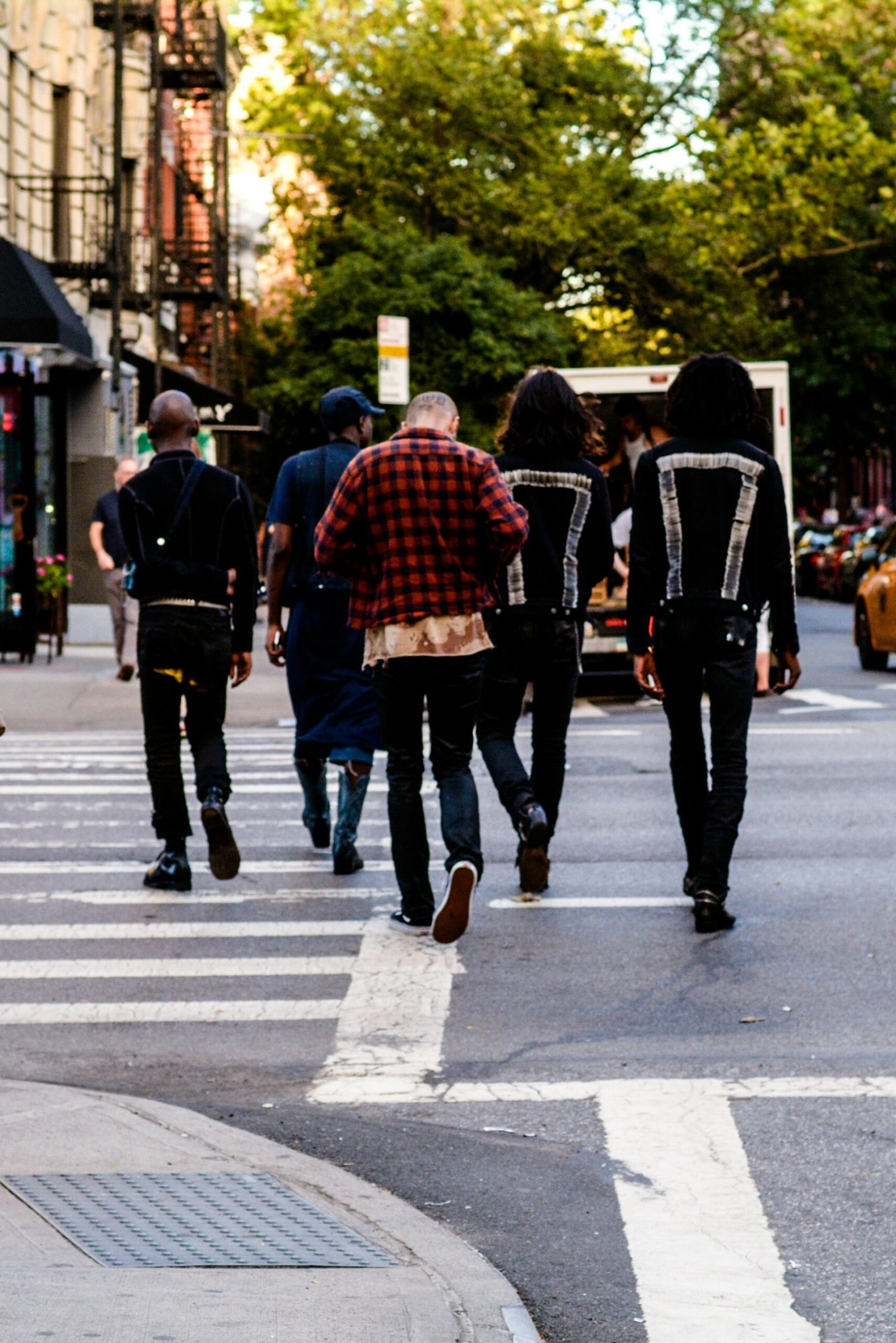
There are variations of rock style that have branched out over the years. There are punk rock icons through artists like the Sex Pistols. Their main aim: To reject mainstream consumer culture and the ideal and traditional beauty standards set in each decade.
The 90s birthed the legend, Kurt Cobain. Kurt Cobain brought a different kind of influence to rock fashion. His oversized sweaters, flannel shirts, worn jeans, and unpolished appearance defined the grunge era. This look resonated with a generation disillusioned by excess and artificial glamour. Cobain’s style emphasized authenticity over perfection, making casual and thrift inspired clothing culturally relevant. Grunge fashion remains a staple in modern street style and continues to cycle back into trends.
How Rock Style Moved from Stage to Street
Rock throughout the decades has proven itself to be much more than just a genre of music. With the help of Media coverage, album covers, music videos, and magazine features helped translate stage outfits into wearable inspiration. Over time, designers incorporated rock elements into collections, blending rebellion with luxury. This exchange between music and fashion ensured that rock style became accessible, adaptable, and enduring.
The Lasting Cultural Impact of Rock Style Icons
The cultural impact of rock style icons extends far beyond clothing. These figures challenged social expectations, encouraged self-confidence, and gave people permission to be different. Rock fashion has influenced movements related to gender expression, youth identity, and creative freedom. Even today, modern artists and fashion trends draw heavily from the legacy of rock icons who proved that style can be as powerful as sound.
With rocks link to rebellion many people deem it as non-conformist and at often times described as dark. But knowing the true meaning behind rock music is what makes the overall genre the powerhouse that it is. Topics driven on the subjects of love, politics, society; rock music is driven with emotion which is why so many people connect to it and why it impacts daily listeners lives not just their music taste.
As long as music continues to inspire change, the style legacy of rock will continue to walk the streets.