







Southern Europe does not behave like a chapter in a history book. It feels more like a surface that has been walked across repeatedly, worn smooth in some places and uneven in others.
Movement here does not belong to one era. It repeats. Routes persist. Towns continue to face outward, even when their reasons for doing so have changed. What connects the Mediterranean edge of Europe to the Atlantic world is not a single moment of expansion or discovery. It is a long familiarity with passage — people arriving, leaving, returning, and adapting without fully closing the loop. The region feels oriented toward exchange by habit rather than design.
Land That Encourages Passage
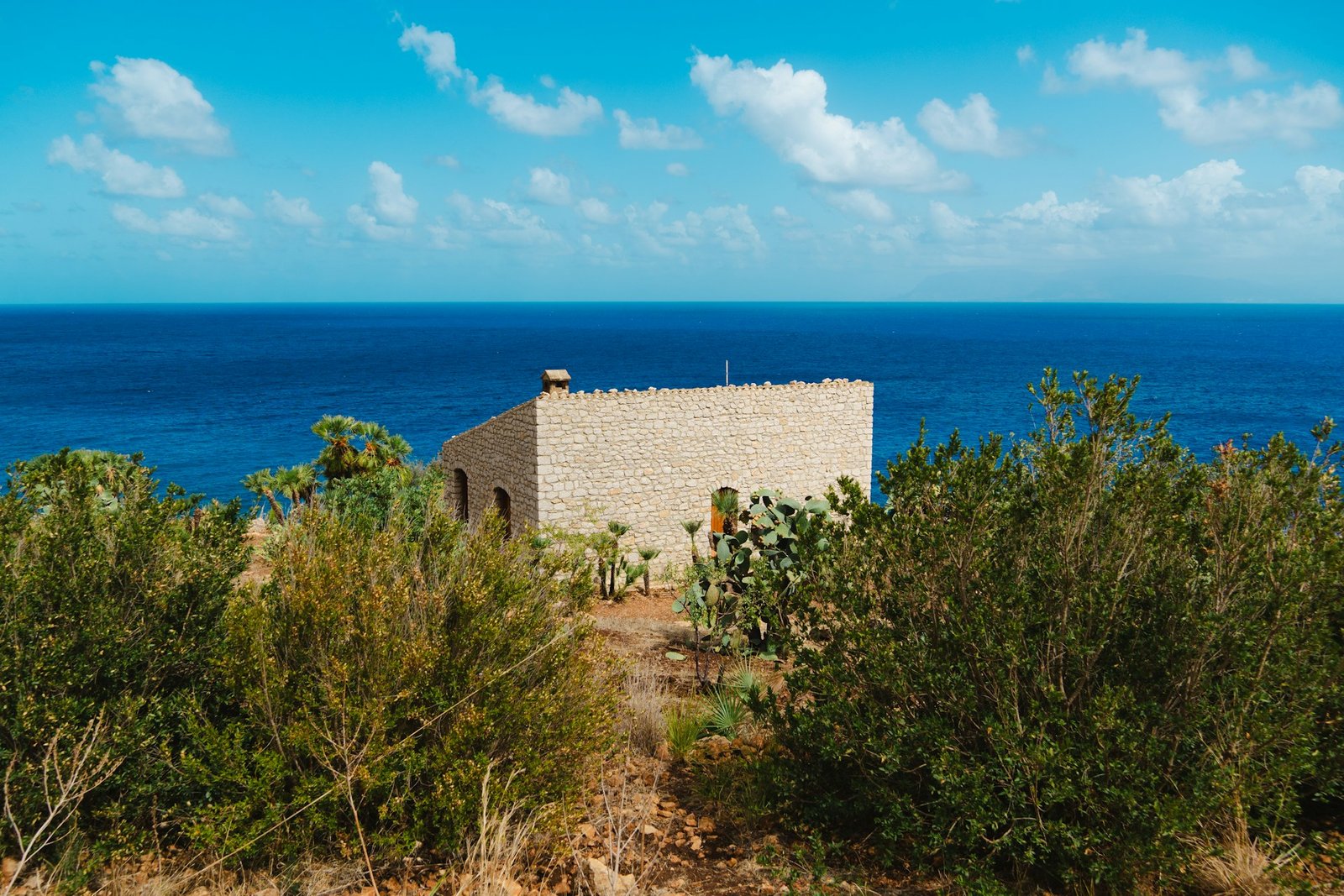
Southern Europe’s geography rarely traps movement. Coastlines open easily. Valleys guide travel inland. Rivers offer direction without insisting on speed. You sense this openness even without knowing where you are going. Roads feel inherited. Settlements appear where movement naturally slows. The landscape does not resist circulation; it accommodates it.
Connection here feels learned rather than planned.
Italy and the Feeling of Continuity
Italy often feels central not because it demands attention, but because it absorbs it. Movement gathers here, passes through, and continues outward again. In Italy, cities rarely feel sealed off from one another. Inland routes remain legible. Coastal towns still face the sea. You notice how often paths seem to lead somewhere else rather than stop.
Modern systems like Italy trains follow this same grain, reinforcing continuity rather than replacing it. Travel feels like extension, not interruption.
Cities That Remain Open
Italian cities feel shaped by arrival as much as residence. Streets lead toward ports. Public spaces feel transitional rather than enclosed. Places like Rome or Naples do not feel inward-looking. Even when dense, they suggest outward connection — through water, roads, or shared rhythm.
The city behaves like a meeting point rather than an endpoint.

The Sea as Habit
The Mediterranean here does not feel romanticised. It feels familiar. Water exists as route, boundary, and background all at once. Coastal life adjusts to it instinctively. Movement aligns with tide and light. Towns settle close enough to remain connected, far enough to retain autonomy.
The sea does not interrupt daily life. It underpins it.
Turning West Without Breaking Form
Moving westward, the atmosphere changes before the structure does. Space opens. Light sharpens. The land begins to tilt toward a different horizon. The transition toward the Atlantic does not feel like a break from earlier patterns. It feels like a continuation at a different scale. Movement remains the organising principle.
Southern Europe does not pivot. It extends.
Portugal and Outward Attention
Portugal carries this outward orientation quietly. Towns feel angled toward departure without feeling unfinished. In Portugal, rivers guide movement toward the coast without urgency. Hills slope gently toward water. Settlements gather where access makes sense rather than where boundaries hold.
The land feels expectant rather than settled.
Rivers That Do Not Contain
Rivers here feel permissive. They do not confine space. They lead it. Movement follows their curves naturally. Towns appear along their edges without dominating them. The river remains present without asserting control.
Water becomes guidance rather than limit.
Porto and Lisbon as Points of Flow
In Porto, movement feels compressed but continuous. Streets descend. Warehouses face water. The city appears shaped by transit rather than permanence. Further south, Lisbon expands this feeling. Hills open sightlines. Light stretches outward. The city feels prepared for departure even when standing still.
Routes like Porto to Lisbon trains reinforce this flow, carrying movement along paths that feel already decided.
Exchange Without Drama
What stands out across southern Europe is how exchange rarely feels theatrical. Goods, people, and ideas move without ceremony. Modern travel mirrors older habits. Infrastructure follows terrain. Ports remain active. Cities stay porous.
Nothing feels reinvented. Everything feels adjusted.
Layers That Are Not Resolved
Southern Europe does not tidy its past. Older forms remain visible without being explained. New layers sit beside them without erasing them.This coexistence feels practical rather than symbolic. Change does not demand replacement. It requires accommodation.
The region becomes resilient through overlap.
Movement as Memory
Over time, you stop thinking about where one era ends and another begins. Routes blur. Purposes shift. What remains is motion itself. Movement becomes the memory — repeated enough to feel natural, old enough to feel reliable.
Southern Europe remembers by continuing.
The Atlantic as Expansion, Not Escape
The Atlantic does not feel like a departure from southern Europe’s habits. It feels like their widening. Routes lengthen. Distances grow. The orientation remains outward.
Nothing essential changes. Scale does.
Modern Travel, Old Sensibility
Today’s ease of movement across the region feels inherited. Connections align naturally. Cities link without friction. This fluency does not feel new. It feels practiced. Travel here carries a memory of earlier movement, even when it looks modern.
A Region That Still Connects
Southern Europe continues to function as connective tissue — between seas, cultures, and directions. It does not resolve its history into narrative. It lets movement do the work instead.
Ancient civilizations and the Atlantic world are not joined by a single moment, but by a shared habit of passage — steady, adaptable, and still unfolding.
Southern Europe does not explain its role; it continues it. Routes remain in use, cities stay open, and movement carries on without needing to justify itself. What connects ancient worlds to the Atlantic is not a single legacy, but a long familiarity with passage — one that still unfolds quietly, every time the journey begins again.