







The US has a rich gaming culture.
Its affinity for video games can be seen nationwide, with gamers of all demographics enjoying the pastime.
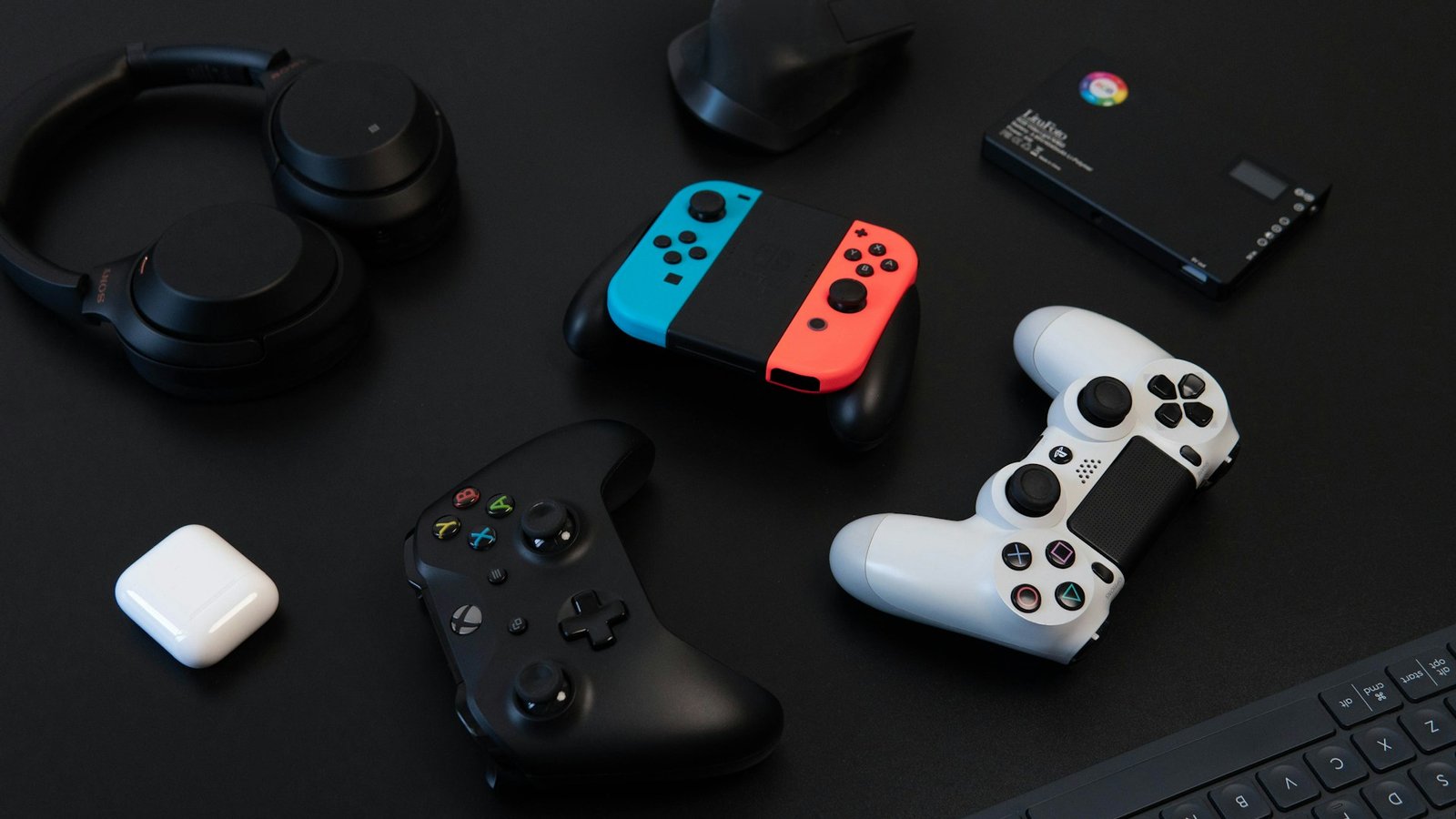
It’s a pastime that has continued to thrive and hasn’t shown any real signs of slowing down, either. Technological advances have been a key driver, as fans have obtained newer experiences with next-gen consoles. At the same time, external factors have helped influence the rise of gaming.
Some may pinpoint the pandemic and lockdowns experienced as we were forced to spend more time at home. Gaming became more widely enjoyed as it was one of the only activities we could do. At the same time, there has been an evolving landscape in terms of iGaming that has started to take shape across the US.
While it’s unlike the coverage experienced in Europe and other parts of the world, the USA’s market is starting to expand. Legislation has started to change in some states, while some offer players the chance to play at the best USA online casinos safely within their borders for a while. Many of the sites available provide attractive welcome packages, allowing players in the US to obtain experiences that were once reserved for physical locations, such as casino establishments in Las Vegas.
Technology has also played a role in helping these games become more widely enjoyed, with smartphones being a popular gaming device while new platforms are being provided to allow individuals to have new gaming experiences, such as streaming sites. Players can connect to the internet at their convenience (another reason mobile gaming has gained traction) and play their favorite slots or table games instantly. Many are playing eSports, with it estimated the country has more than the next two countries on the list combined. This makes it a popular betting activity for many, as they can wager as if they were betting on sports.
America’s Video Gaming Demographics
The statistics and data available regarding America’s gaming culture and demographics help to shed light on the trends experienced and perhaps explain why certain types of gaming have been successful.
According to Statista, an estimated 201 million gamers are located in the United States. When breaking down that figure, the number becomes even more impressive when highlighting how much of a gaming culture there is in the country.
At a domestic level, the total population is around 340.1 million. Considering the number of gamers, it’s around 59% of everyone who lives in the nation. When considering the number of global gamers, the figure is much smaller but still incredible. It’s believed there were 3.32 billion players worldwide, with this number regularly increasing at a steady rate annually.
Returning to a domestic level, what are some of the main figures when looking at their estimated 201 million demographics?
The gender split is almost equal, with it estimated that men just edge the majority compared to their female counterparts with a 52:48% split. The biggest demographic in terms of player age is Gen Z, with those aged between 11 and 26 enjoying gaming the most, however this is a trend that is being changed with time. Millennials who were perhaps the first generation to have truly grown up with gaming as an accessible activity because of the technology that was available still make up a large portion of the industry. Those aged between 27 and 42 are said to make up 25% of the industry. At the same time, older players are beginning to play video games daily as entertainment.
Entertainment has always been a predominant factor for Americans when playing video games. Two-thirds of players have enjoyed the activity as an active hobby for at least four years, and at least 40% of those playing consoles or PC games have played for at least a decade. Research has found that more than 25% of gamers in the US play video games for between one and five hours weekly, while 17% spend between six and ten hours per week on the pastime.
Will America’s Gaming Demographic Continue to Change and Evolve?
As technology evolves and new innovations are introduced, America’s gaming industry will only thrive. Gaming needs and demands continually change, with players wanting the very best experiences tech can provide them.
At the same time, with the Millennial and Gen Z generations being keen adopters of video games, it wouldn’t be a surprise if this pastime were to be passed down further. As they become old enough to have their own families, it’ll only be natural for them to enjoy the activity with their offspring, perhaps increasing the number of players in the US.
Interestingly, the gender split is almost even, as video gaming has largely been seen as a male-dominated and oriented activity. We might see an even split in the next decade (or even sooner) if things continue to carry on in the same way they are now.