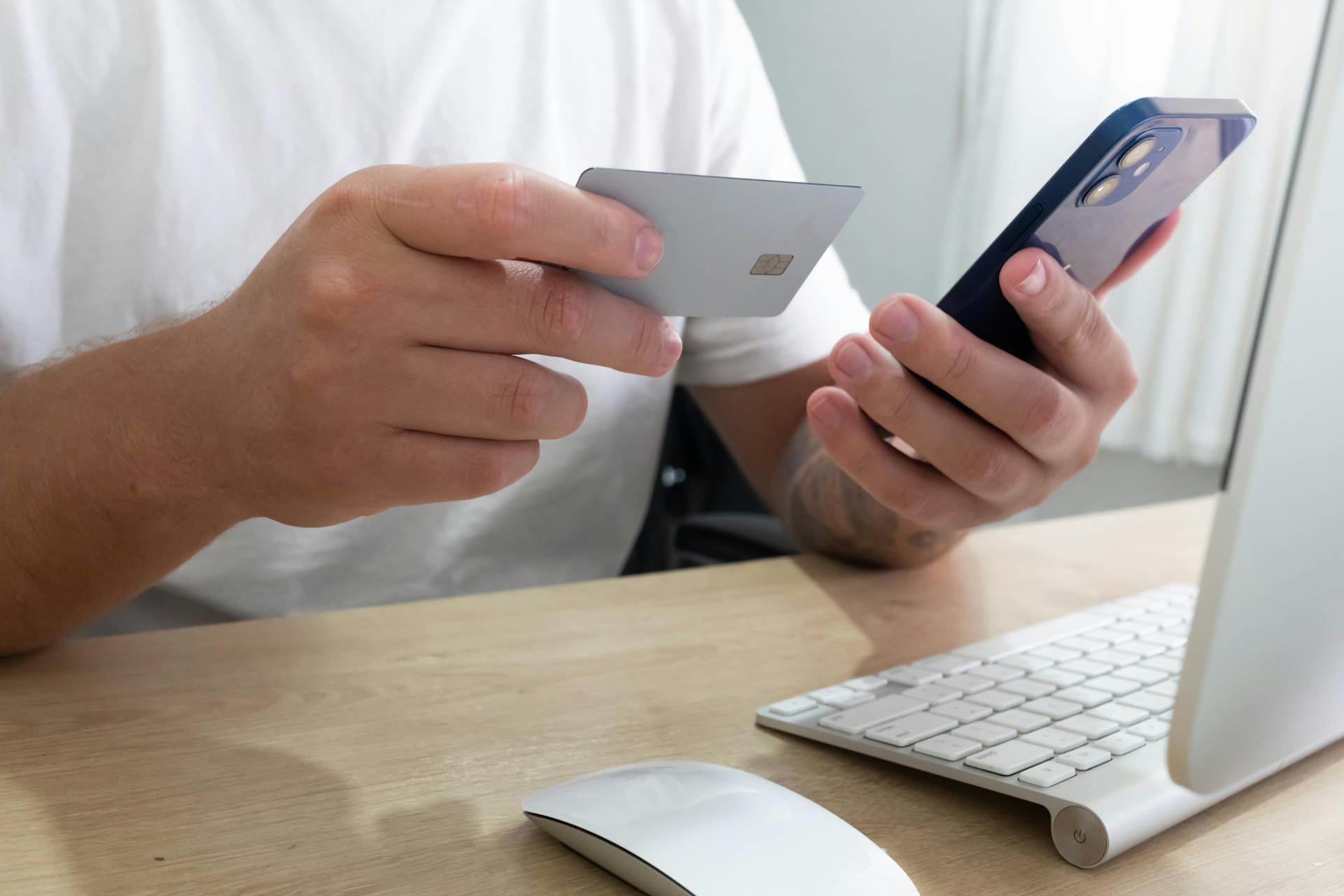






If you’re like the average consumer, you probably enjoy paying for goods and services across the internet and getting your money’s worth.
While we all hope for the best experience, many consumers have found themselves in a difficult position after trusting their money to online businesses.
If you’re looking to avoid falling victim to the different pitfalls that plague online shoppers, you want to know what they are and how to go about avoiding them. In this article, we’ll touch on the common pitfalls of online payments and the steps you can take to protect yourself.
Use Legitimate Sites
If you start off your online shopping journey with shady vendors and websites, you have already put yourself in a bad position. Shady online vendors are the type to steal payment information, deliver substandard goods, and overall make your journey more difficult than it needs to be. This is why your first step is to seek out online resources to guide your choice of vendors. First, look up consumer review sites of whatever website you want to use and make sure it has a good reputation, especially when it comes to payments.
Also, look up guides for whatever type of platform you want to use. Andjelija Blagojevic, for example, has written a Card Players official guide that outlines some of the best online casinos for consumers. These casinos boast fast payouts and amazing features that you want to take advantage of. By simply choosing the right platform, you can avoid a lot of the common pitfalls of online payments.
Use legitimate payment channels
Another step you can take to protect yourself when making payments online is to choose payment channels that are well-known and reputable. For example, choosing to pay with PayPal or Apple Pay means that you enjoy centralized protection and can also keep your personal details private. Be wary of payment platforms that try to push you towards dodgy or relatively unknown payment platforms, as these may not be safe.
Set Up Two-Factor Authentication
It’s not enough to simply have an account with PayPal, Google Pay, or any other popular payment channel. You also have to take active steps to protect your account from malicious parties. A good way to do this is to set up two-factor authentication that will make sure your account is doubly secure. Usually, you’ll be emailed or texted a code that you need to input before a payment can be processed. In the case of options like Apple Pay, you will have to verify your identity via facial recognition or fingerprint scanning. These may seem cumbersome, but they will go a long way towards protecting your account. This is especially important if you’re making bigger purchases, and if you don’t already have two-factor authentication set up, make sure to change that.
Look At Refund Policies
No one likes having to return things or request a refund, but sometimes, this is inevitable. Before you make a payment to any business, take a moment to look at their refund policy. It might seem obvious that customers should be able to return things, but some businesses do not accept returns or refunds in any way. Some only give refunds in the form of store credit, and some are known to take a long time to process refunds. Look at what’s written on the official website, and also look at consumer review websites to confirm that this is accurate. The last thing you want is to have your refund stuck in limbo for a long time, so treat this as a priority.
Watch Out For Sneaky Subscriptions
When you’re making a payment or signing up for a service, always check to be sure whether you are making a one-time payment or signing up for a recurring subscription. Sometimes, it is not entirely clear on the checkout page, so make sure to confirm. If you sign up for a free trial of something, you might want to set a reminder to cancel so that you do not get charged for another week/month that you don’t want.
Use Prepaid Cards
Another way to minimize risk when it comes to your online payments is to use prepaid cards. As you would imagine, prepaid cards are cards that you put money on and can shop online with without being directly connected to your bank account. Some people use prepaid cards for budgeting reasons as they are restricted on how much they can spend. But using a prepaid card can also be a way to protect your information. If you use a prepaid card for your online shopping, the possible damage from your data being stolen is limited. There is a limited amount of money on the card at any given time, and thus, there is less money for you to lose.
Conclusion
As long as we use the internet, we’re always going to make purchases of all kinds on it. With that in mind, it is important to avoid all the pitfalls that could see us losing our money, our sensitive information, or both. Consider the points outlined in this article when shopping online, and you should find that you have a better and safer experience.