







Smartphone development once moved at such a rapid pace that yearly upgrades were easy to justify.
Leaps in processing power or helpful new features made each model vastly superior to the last, and this got many of us in the updating habit.
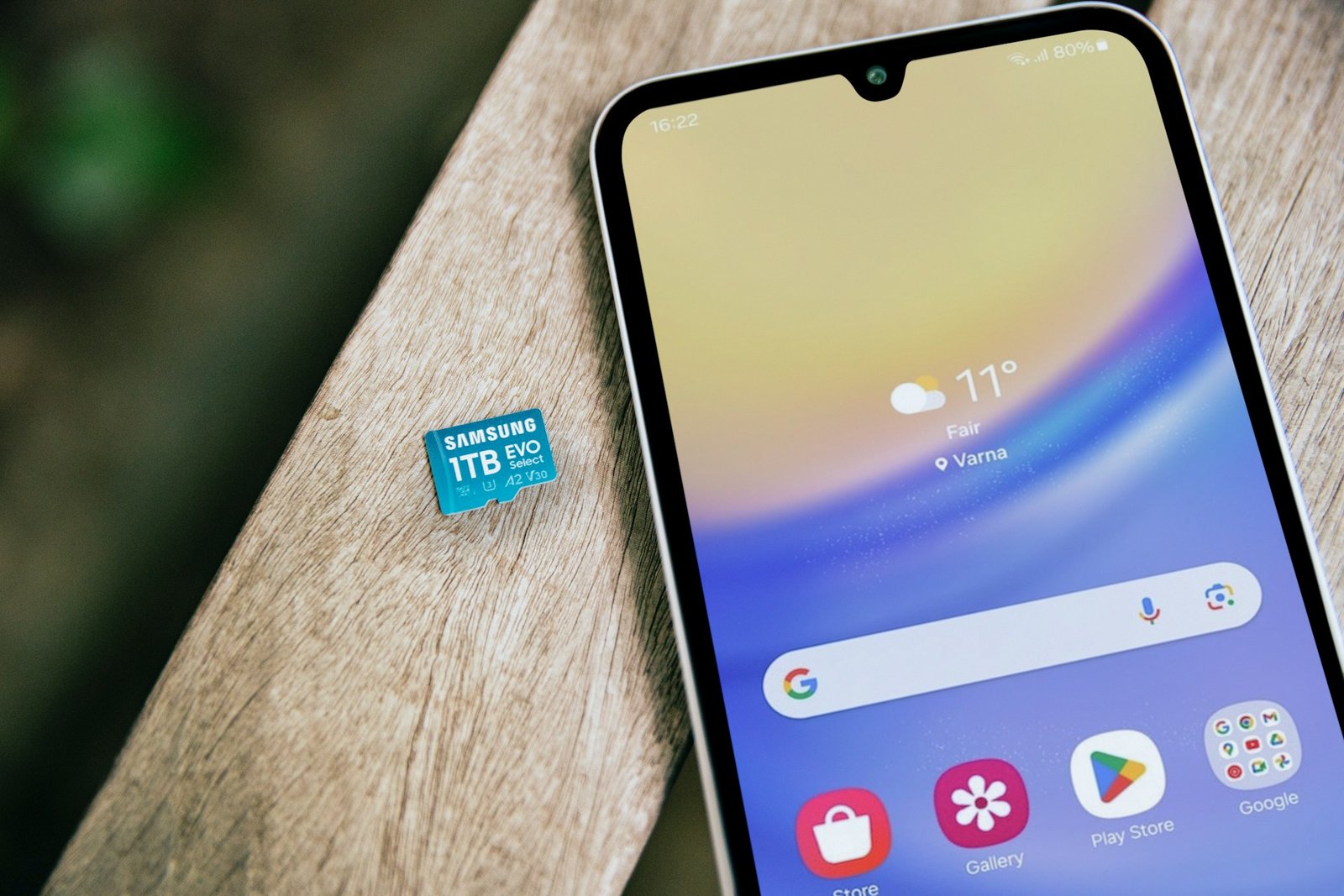
Today, however, the smartphone world is very different. Looking at what has changed, we want to explore how useful and necessary modern smartphone upgrades can be, and when they might be ignored.
From Generational to Incremental
When Apple popularized the first smartphone with 2007’s iPhone, the backing technology was in its infancy. The ability to run powerful software on a phone was a novelty, and the processors to support these functions were not especially developed. As the iPhone exploded in popularity, chip manufacturers entered a new arms race, and with each new year, smartphones would see enormous leaps.
This was a time when each new yearly model of smartphone could access software that last year’s machine couldn’t. As we pushed further out of the dying Moore’s Law, generation upgrades would slow considerably. Today, proportional leaps of each generation are not just smaller, they’re also less useful.
Newer steps forward in smartphone tech are less useful because, in basic terms, we’ve already reached the full potential of what most mobile users will need. We mostly use smartphones for browsing, watching YouTube, and running less demanding software. None of these experiences are improved with faster phones, and we’ve been at this point for years.
One of the best examples here on the software front can be seen in UK casino gaming. This software is cutting edge, but thanks to optimization, it’s not demanding on modern systems. Whether browsing or playing games like Golden Winner or Grand Bison, even phones from five years ago can achieve full performance. The same applies to sending emails, catching up on Netflix, or navigating via Google Maps. The cost of a smartphone doesn’t provide anything of appreciable direct value, which is why gimmick technologies like AI are being so heavily pushed.
Preparing Yourself for the Long-term
If you want to make your next phone last as long as possible, there are only a couple of key steps you need to worry about. Firstly, look into buying a phone with a replaceable battery. Battery life is the main caveat when it comes to phone longevity, so getting a system where you can purchase a replacement years down the track is a must.
The second is to invest in a case to protect against an inevitable accident. No phone is fully drop-proof, and one clumsy day can be all it takes to put an older phone in the e-waste graveyard. Combined with a screen protector, a proper case can be a lifesaver.
Your Money, Your Rules
All of this is to say that while upgrades today can be avoided, they don’t have to be. If you enjoy being on the cutting edge of tech, and you don’t mind the cost, then it’s completely fine to upgrade as you see fit. Still, if you haven’t looked at the market for a while and just fell into the updating habit, now might be a time to re-examine your plan and save that money for something a little more useful.