






Some weekends ask for adventure.
Others ask for a pause.
When the goal is rest, the trip needs to run smoothly without feeling sterile. Not every getaway delivers that. The right one feels light, but intentional—comfort, calm, and a break from the usual rhythm—all without forcing anything.
It doesn’t take a week away to feel better. A smartly planned two-night reset can do more for energy and clarity than a long trip packed with logistics. The key is building the trip around ease, not effort.
Start by Picking the Right Distance
The further the destination, the more the travel eats into the time. A getaway that starts with traffic stress or flight delays rarely delivers the kind of reset most people need. Staying within a two-hour drive keeps things manageable. It shortens recovery time and makes it easier to slip into rest mode.
A spot that feels new but is not far can be enough. Forest edges, lakeside views, or a quiet stretch of country road just outside the city all offer the shift in scenery needed to clear the mind.
Plenty of weekend resort getaways in Georgia meet this sweet spot. They bring access to nature, cozy spaces, and optional amenities without requiring a huge commute.
Let the Property Do the Heavy Lifting
When relaxation is the goal, the place itself matters more than the list of things to do. The best properties for a recharge offer both stillness and comfort. A fireplace in cooler months. A shaded porch in summer. Good water pressure, blackout curtains, and a mattress that doesn’t make noise when someone rolls over.
Even better when food is close by or on-site, not having to plan every meal gives more time to linger, nap, or sit with coffee for as long as it takes.
Booking a place that understands downtime is better than chasing luxury for the sake of the brochure. The stay should feel welcoming without requiring explanation.
What to Pack for a Reset, Not a Schedule
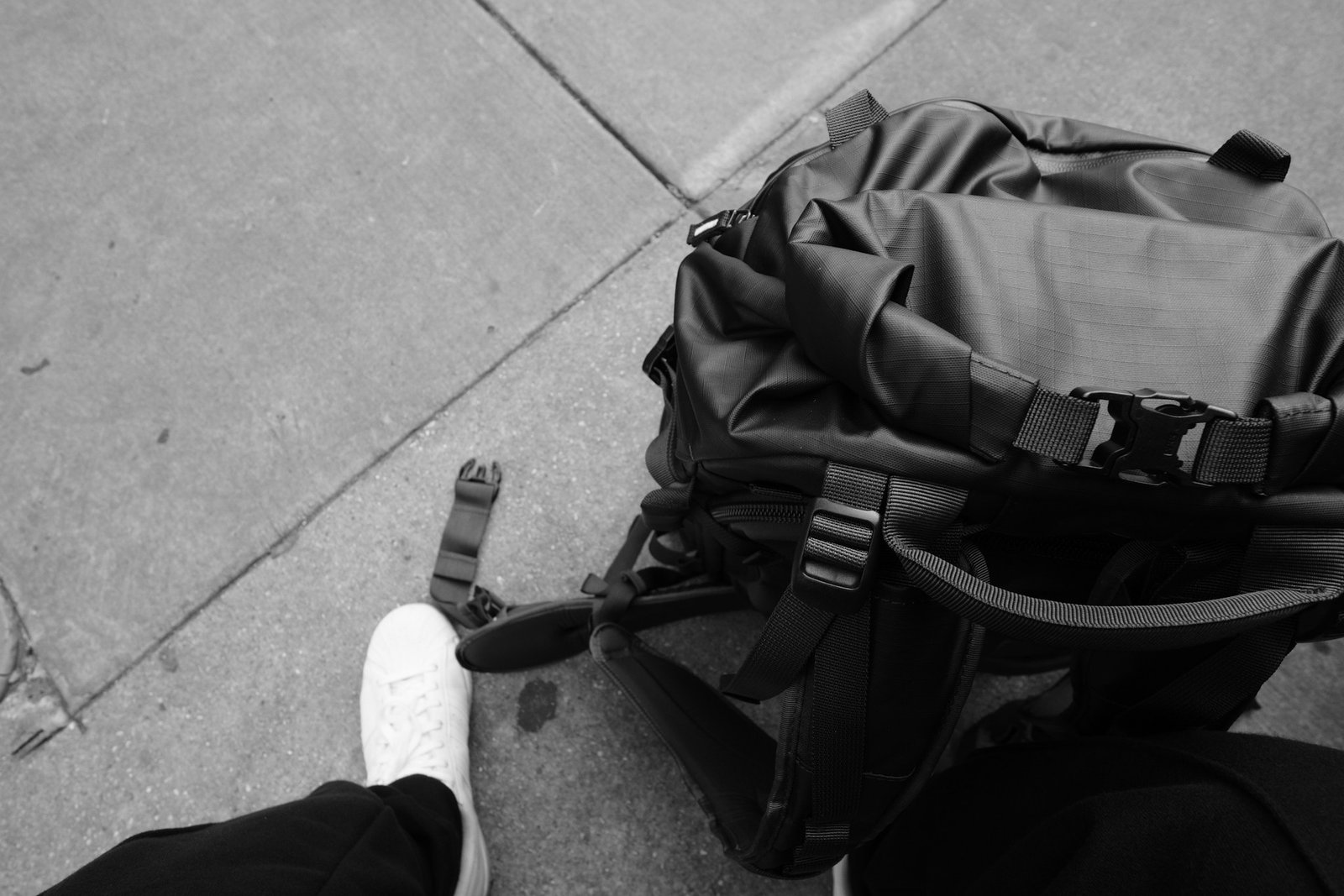
Packing for a short trip sounds simple until the bag gets overstuffed. A good reset starts with light luggage. The items matter less than how they support ease. What gets packed should help slow the pace, not clutter the space.
Here’s what tends to make the weekend smoother:
- One outfit for lounging that still feels put-together
- Something soft for sleeping and mornings on the patio
- A lightweight book or something to scribble thoughts into
- A drink or snack that feels familiar and grounding
- Slides or sandals that are easy to kick on for short walks
- A few small self-care items: candle, oil, or face mask
- Anything that replaces phone time without needing a screen
Block Time Before and After the Trip
Most of the stress from short trips comes from the way they’re squeezed into the calendar. A weekend reset doesn’t work if the hours before and after are filled with back-to-back tasks. Leaving space on either side gives the trip room to land.
That might mean taking Friday afternoon to pack slowly or avoiding Sunday night commitments. Even half a day of extra room changes how the trip feels. It allows reentry to happen without a crash.
Travel time counts. So does the decompression afterward. Protecting the edges of the trip makes the middle part feel more like a break instead of a sprint.
Let the Mood Set the Pace
Some weekends invite more sleep. Others open space for a long walk or an afternoon writing session. The most restful trips don’t chase productivity. They follow the mood. If the goal is to reset, that means listening to what the body and brain ask for, not forcing a routine onto the hours.
Doing nothing should feel allowed. Rest doesn’t always look like stillness, either. It might be a movement with no goal or a quiet conversation with no time limit.